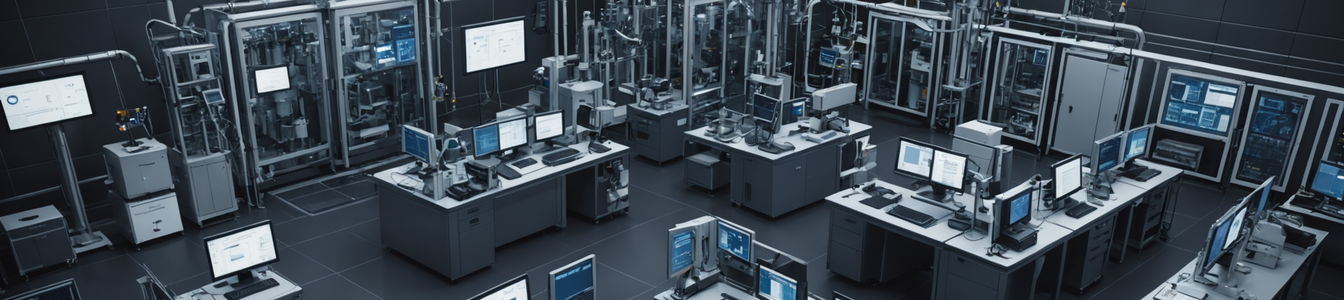
India's pharmaceutical sector is facing unprecedented regulatory scrutiny as the country's drug regulator intensifies enforcement of Schedule M compliance standards, revealing critical cybersecurity gaps that threaten the entire drug supply chain ecosystem. The aggressive inspection campaign, declared a 'top priority' by regulatory authorities, has exposed systemic vulnerabilities in manufacturing systems, quality control processes, and supply chain tracking mechanisms.
The regulatory crackdown comes as India positions itself as the 'pharmacy of the world,' with the Schedule M standards representing the country's equivalent of current Good Manufacturing Practices (cGMP). However, the enforcement actions have uncovered that many pharmaceutical manufacturers have prioritized physical compliance over digital security, creating significant risks in an increasingly connected manufacturing environment.
Cybersecurity professionals should pay close attention to several critical findings emerging from the compliance drive. Manufacturing execution systems (MES) and quality management systems (QMS) in many facilities lack basic security controls, including network segmentation, access management, and audit logging. These systems control critical processes including batch recording, quality testing, and documentation – all essential for maintaining drug safety and efficacy.
The supply chain tracking systems, designed to ensure drug authenticity and prevent counterfeiting, have shown particular vulnerability. Many companies rely on legacy systems with inadequate encryption, weak authentication mechanisms, and insufficient monitoring capabilities. This creates opportunities for manipulation of batch records, expiration dates, and distribution data – all of which could have serious public health consequences.
Regulatory authorities have identified specific cybersecurity shortcomings during inspections, including:
- Inadequate access controls for critical manufacturing systems
- Lack of audit trails for quality control data modifications
- Insufficient network segmentation between corporate and manufacturing networks
- Outdated software with known vulnerabilities in control systems
- Poor incident response capabilities for cybersecurity events affecting manufacturing operations
The compliance enforcement has revealed that many pharmaceutical companies treat cybersecurity as an IT function rather than a quality and compliance requirement. This siloed approach has resulted in security gaps that could compromise product quality and patient safety.
Industry experts note that the convergence of operational technology (OT) and information technology (IT) in pharmaceutical manufacturing requires a fundamental shift in security strategy. Manufacturing systems that were previously air-gapped are now connected to enterprise networks for data analytics and remote monitoring, creating new attack surfaces that many organizations are unprepared to defend.
The regulatory focus on Schedule M compliance presents both challenges and opportunities for cybersecurity professionals. Organizations must now integrate cybersecurity controls into their quality management systems and demonstrate these controls during regulatory inspections. This includes implementing comprehensive risk assessments, security monitoring, and incident response plans specifically tailored to manufacturing environments.
Best practices emerging from the compliance drive include implementing zero-trust architectures for manufacturing networks, deploying security information and event management (SIEM) systems capable of monitoring industrial control systems, and establishing robust change management processes for manufacturing software and configurations.
The Indian pharmaceutical industry's experience serves as a cautionary tale for global healthcare manufacturers. As regulatory bodies worldwide increase scrutiny of digital systems in manufacturing, companies must proactively address cybersecurity as a core component of quality compliance rather than treating it as an afterthought.
Cybersecurity professionals working in or with pharmaceutical companies should prepare for increased regulatory attention on digital systems. This includes developing expertise in industrial control system security, understanding regulatory requirements specific to pharmaceutical manufacturing, and building cross-functional relationships between security, quality, and manufacturing teams.
The ongoing compliance enforcement in India represents a significant shift in how regulators view manufacturing quality. Cybersecurity is no longer optional for pharmaceutical companies – it has become an essential component of ensuring drug safety and maintaining public trust in healthcare products.
Comentarios 0
Comentando como:
¡Únete a la conversación!
Sé el primero en compartir tu opinión sobre este artículo.
¡Inicia la conversación!
Sé el primero en comentar este artículo.