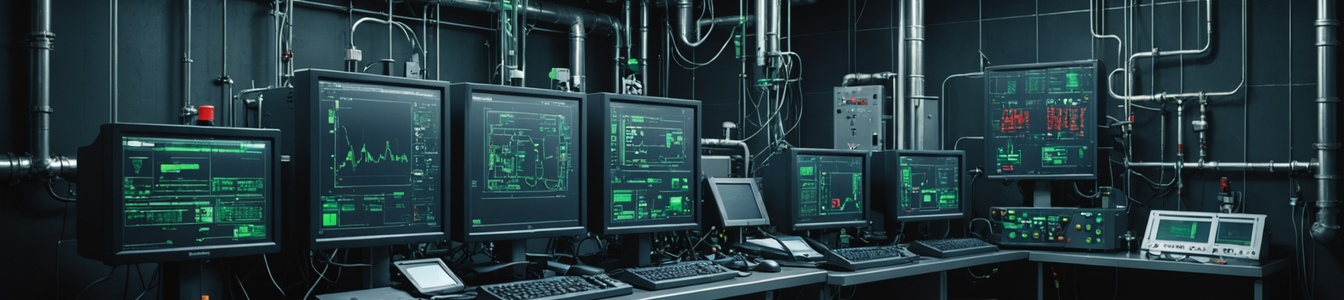
A series of chemical leak incidents across Indian industrial zones has exposed critical vulnerabilities in digital safety systems, raising urgent concerns about the cybersecurity of industrial control systems (ICS) in manufacturing environments. The incidents, occurring in rapid succession, highlight systemic failures in automated monitoring, emergency response protocols, and safety-critical digital infrastructure.
In Mumbai's Andheri East MIDC area, a catastrophic chemical leak resulted in the death of a 20-year-old worker and left two others hospitalized in intensive care. The incident prompted immediate deployment of the National Disaster Response Force (NDRF), indicating the severity of the safety breach. Preliminary investigations suggest failures in both detection systems and automated containment protocols that should have prevented the toxic release.
Simultaneously, in Rajasthan's Sikar industrial area, a separate toxic gas exposure incident affected over 20 children and local residents, requiring emergency medical response and evacuation measures. The parallel nature of these incidents across different regions points to broader systemic issues in India's industrial safety infrastructure.
Cybersecurity analysts examining these events have identified several critical failure points in the digital safety chain. The absence of functioning automated leak detection systems, inadequate real-time monitoring capabilities, and failures in emergency shutdown protocols represent significant vulnerabilities in industrial cybersecurity frameworks.
Industrial Control Systems (ICS) and Safety Instrumented Systems (SIS) are designed to prevent exactly this type of catastrophic failure. These systems typically include multiple layers of protection, from basic process control systems to emergency shutdown systems and physical containment measures. The fact that these incidents occurred despite these safeguards suggests either system bypass, inadequate maintenance, or fundamental design flaws.
The Mumbai incident particularly raises questions about the integrity of safety monitoring systems. Modern chemical plants typically employ distributed control systems (DCS) with redundant sensors, automated alarm systems, and emergency ventilation controls. The failure of these systems to prevent fatal exposure indicates potential gaps in both technical implementation and operational procedures.
From a cybersecurity perspective, these incidents highlight the critical intersection between digital security and physical safety. Industrial environments increasingly rely on interconnected systems where a failure in cybersecurity can directly translate to physical harm. The convergence of IT and operational technology (OT) networks, while enabling greater efficiency, also creates new attack surfaces and failure modes.
Key security concerns emerging from these incidents include:
The adequacy of safety system cybersecurity measures, including protection against both external threats and internal failures
The reliability of real-time monitoring and alerting systems in industrial environments
The effectiveness of emergency response coordination between digital systems and human operators
The maintenance and testing protocols for safety-critical systems in industrial settings
Industry experts note that many industrial facilities in developing economies are operating with legacy systems that lack modern security features. The migration to digital control systems often outpaces the implementation of corresponding cybersecurity measures, creating dangerous gaps in protection.
These incidents serve as a stark reminder that cybersecurity in industrial environments is not just about data protection but about human safety. The principles of defense-in-depth, regular security assessments, and comprehensive incident response planning take on life-or-death significance in these contexts.
Moving forward, manufacturers and regulatory bodies must prioritize the security of industrial control systems with the same rigor applied to traditional cybersecurity. This includes implementing robust access controls, network segmentation, continuous monitoring, and regular security audits of safety-critical systems.
The integration of cybersecurity considerations into overall safety management systems represents an essential evolution in industrial risk management. As these incidents demonstrate, the consequences of neglecting this integration can be fatal.
Comentarios 0
Comentando como:
¡Únete a la conversación!
Sé el primero en compartir tu opinión sobre este artículo.
¡Inicia la conversación!
Sé el primero en comentar este artículo.