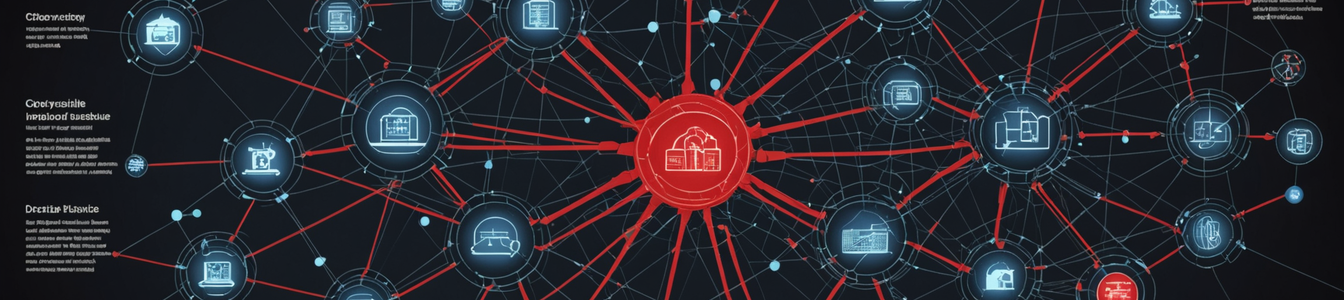
A comprehensive analysis of recent audit findings across critical infrastructure sectors has exposed systemic vulnerabilities that pose significant cybersecurity risks to national security and public safety. The revelations come at a time when digital transformation and interconnected systems have made infrastructure protection more critical than ever.
The Comptroller and Auditor General of India (CAG) has launched what experts are calling the most exhaustive infrastructure audit in years, focusing specifically on railway systems that form the backbone of the nation's transportation network. The audit examines multimodal transport initiatives, logistics efficiency, digital procurement systems, and suburban train operations. These systems, increasingly dependent on digital controls and interconnected networks, represent critical attack surfaces for malicious actors.
Cybersecurity professionals are particularly concerned about the audit's findings regarding digital procurement systems and logistics platforms. These systems manage sensitive operational data, control critical infrastructure components, and interface with multiple external stakeholders. Any compromise in these systems could disrupt national supply chains, endanger public safety, and create economic chaos.
The railway audit specifically targets the ambitious goal of achieving 45% freight share through multimodal transportation networks. While this represents significant operational advancement, security experts warn that the rapid digitalization of these systems without corresponding security audits creates dangerous vulnerabilities. The integration of multiple transport modes requires complex digital interfaces that, if not properly secured, could serve as entry points for cyber attacks.
Simultaneously, municipal audits in the United States have uncovered fundamental flaws in urban infrastructure management. The Syracuse sidewalk dining permit audit revealed systemic issues in permit tracking, fee collection, and compliance monitoring. While seemingly mundane, these municipal systems increasingly rely on digital platforms that manage sensitive citizen data and interface with critical city infrastructure networks.
The establishment of two centralized cadres for revenue and expenditure audits represents a recognition of the systemic nature of these oversight failures. However, security experts question whether these new structures will adequately address the cybersecurity dimensions of infrastructure protection. Traditional financial auditing often fails to consider the unique security requirements of digital control systems and operational technology networks.
Critical infrastructure sectors face a perfect storm of challenges: rapid digital transformation, legacy systems with known vulnerabilities, inadequate security auditing frameworks, and increasingly sophisticated threat actors. The convergence of information technology and operational technology in infrastructure systems creates complex security environments that traditional compliance audits are ill-equipped to assess.
The audit findings highlight several critical security concerns:
Digital procurement systems in railway operations lack adequate security controls, potentially exposing sensitive operational data and creating supply chain vulnerabilities. Multimodal transport interfaces represent complex attack surfaces that could be exploited to disrupt national logistics networks. Suburban train control systems, increasingly automated and interconnected, require robust security auditing that goes beyond traditional compliance checks.
Municipal infrastructure management systems, while less visible than national transportation networks, create significant security risks through their connections to broader city networks and databases. The integration of these systems with emergency services, utility networks, and public safety platforms means that vulnerabilities in one area can cascade across multiple critical systems.
Security professionals emphasize that infrastructure auditing must evolve beyond traditional compliance checking to incorporate comprehensive security assessments. This includes evaluating system architecture for resilience, testing incident response capabilities, assessing third-party vendor security, and ensuring proper segmentation between operational technology and corporate networks.
The persistent gap between operational efficiency goals and security requirements represents a fundamental challenge. Organizations often prioritize functionality and cost savings over security, creating systems that are efficient but vulnerable. The audit findings suggest that this trade-off has created systemic weaknesses across multiple infrastructure sectors.
Moving forward, infrastructure operators and regulators must adopt integrated auditing approaches that balance operational needs with security requirements. This includes developing specialized audit frameworks for critical infrastructure, training auditors in cybersecurity principles, and establishing continuous monitoring capabilities rather than periodic compliance checks.
The exposure of these systemic vulnerabilities serves as a wake-up call for infrastructure operators worldwide. As critical systems become increasingly digital and interconnected, the security implications of audit failures extend far beyond financial mismanagement to encompass national security, public safety, and economic stability.
Comentarios 0
Comentando como:
¡Únete a la conversación!
Sé el primero en compartir tu opinión sobre este artículo.
¡Inicia la conversación!
Sé el primero en comentar este artículo.