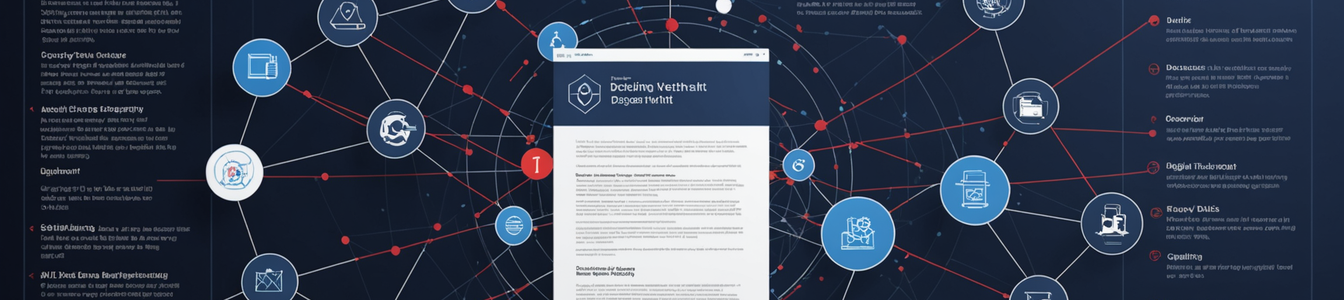
The recent Delhi Red Fort security incident has exposed fundamental weaknesses in how insurance policies and security frameworks address modern threats. As organizations increasingly rely on standardized security frameworks and insurance coverage for risk mitigation, emerging threats like terrorism and digital violence reveal critical gaps in protection that leave businesses vulnerable.
Insurance Coverage Limitations in Terrorist Scenarios
Following the Red Fort explosion, investigations reveal that many standard insurance policies contain explicit terrorism exclusions. Most general business policies and even specialized cybersecurity insurance products fail to provide adequate coverage for losses resulting from terrorist activities. This creates a significant protection gap for organizations operating in high-risk environments or industries.
The problem extends beyond physical damage. Cyber terrorism and digital attacks motivated by political or ideological agendas often fall into gray areas where traditional insurance coverage becomes ambiguous. Many policies exclude "acts of war" or "terrorism" without clearly defining these terms in the context of digital operations.
Digital Violence and Emerging Threat Landscapes
Recent cases of online gender-based violence in corporate environments highlight another critical gap. While companies implement security frameworks to protect against data breaches, they often lack coverage for reputational damage, psychological harm, or legal liabilities resulting from digital violence incidents among employees or through corporate platforms.
Security frameworks like NIST Cybersecurity Framework and ISO 27001 provide excellent baseline controls but fail to address the human and social dimensions of digital violence. Organizations discover that compliance with these frameworks doesn't automatically translate to adequate insurance coverage when novel threats materialize.
Framework Compliance vs. Actual Protection
The disconnect between security framework compliance and insurance protection represents a systemic risk management failure. Many organizations achieve compliance certifications while remaining underinsured for emerging threats. Standard frameworks focus on technical controls and data protection but don't adequately address business continuity, reputational damage, or liability issues stemming from modern threat vectors.
Insurance providers, meanwhile, base coverage decisions on historical data and established risk models, leaving them unprepared for evolving digital threats. This creates a dangerous assumption among organizations that framework compliance equals comprehensive protection.
Risk Management Recommendations
Security professionals must conduct thorough policy reviews to identify coverage gaps for terrorism, digital violence, and other emerging threats. Organizations should:
- Negotiate specific endorsements for terrorism coverage in property and casualty policies
- Implement specialized digital violence response protocols beyond standard security controls
- Develop business continuity plans that account for insurance coverage limitations
- Conduct regular gap analyses comparing security framework implementation against actual insurance protection
- Establish relationships with insurance providers who understand evolving digital threats
The cybersecurity community must advocate for insurance products that better align with modern threat landscapes and push for framework updates that address coverage considerations.
Future Outlook
As digital and physical threats converge, the insurance industry faces pressure to develop more responsive products. Meanwhile, security frameworks must evolve to incorporate insurance adequacy as a key metric of security program effectiveness. Organizations that proactively address these gaps will be better positioned to withstand the financial and operational impacts of modern security incidents.
The current situation underscores the need for integrated risk management approaches that combine robust security frameworks with comprehensive insurance coverage, regularly tested against emerging threat scenarios.
Comentarios 0
Comentando como:
¡Únete a la conversación!
Sé el primero en compartir tu opinión sobre este artículo.
¡Inicia la conversación!
Sé el primero en comentar este artículo.