The digital battleground for user attention and trust is shifting once again, this time within the walled garden of Apple's App Store. Emerging details from the iOS 26.3 beta reveal a strategic, yet concerning, evolution in how paid advertisements are presented to users—a change with profound implications for cybersecurity, informed consent, and the very integrity of the application ecosystem.
The Disappearing Blue Box: A New Era of Stealth Advertising
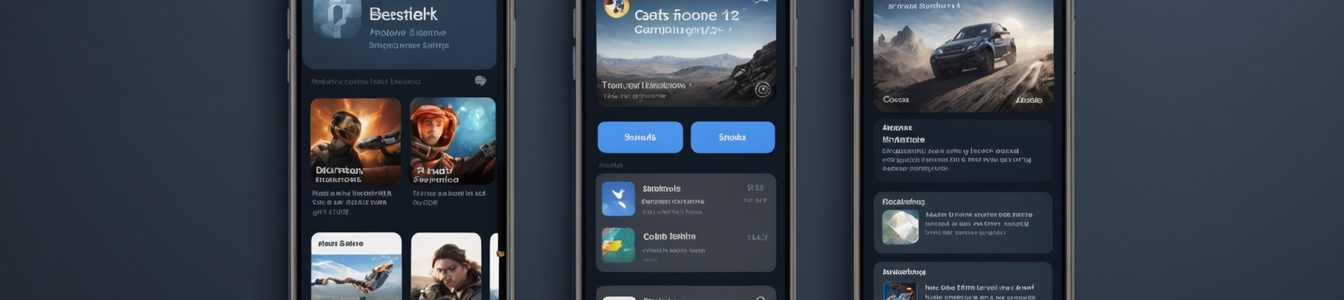
At the heart of the update is a fundamental redesign of the visual language used to denote sponsored content. Historically, Apple has demarcated search ads with a prominent blue background and a clear 'Ad' label, creating a distinct visual separation from organic results. In iOS 26.3, this approach is being tested. The blue sponsorship box has been removed entirely. In its place, a small, subdued gray badge with the text 'Ad' now sits adjacent to the app's name. The rest of the listing—icon, title, subtitle, and ratings—appears identical to non-promoted apps.
From a pure design perspective, this creates a cleaner, less cluttered interface. However, from a security and transparency standpoint, it represents a significant regression. The reduced visual salience makes it easier for users to overlook the commercial nature of the listing, effectively blurring the line between editorial content and paid promotion. In an environment where malicious actors constantly seek to masquerade their software as legitimate, clear labeling is not a design preference; it is a security control.
The Cybersecurity Implications of Blurred Lines
This shift is far more than an aesthetic tweak. For cybersecurity professionals, it introduces a tangible risk vector:
- Impaired Threat Discernment: Users rely on visual cues to quickly assess trustworthiness. By diminishing the prominence of the 'Ad' indicator, Apple is increasing the cognitive load required to identify sponsored content. In a fast-paced browsing session, a user may more easily mistake a cleverly named malicious app promoted via search ads for a legitimate, highly-ranked organic result.
- Erosion of Platform Trust: The App Store's curated reputation is a cornerstone of its security model. When the platform itself employs 'dark patterns'—interface designs that subtly manipulate user behavior—it undermines the foundational trust that users place in the ecosystem. If users cannot reliably distinguish ads from genuine results, their confidence in all search outcomes diminishes.
- New Social Engineering Avenues: Threat actors excel at exploiting ambiguity. A less obvious ad label creates a perfect environment for 'ad-jacking' or spoofing campaigns, where malicious apps buy ads for popular search terms to intercept users looking for trusted software. The subtle badge makes their deception more convincing.
Contextualizing the Change: A Pattern of Obscured Controls
This advertising evolution does not exist in a vacuum. It aligns with a broader pattern observed in iOS 26, where user agency and transparency appear to be secondary considerations.
Independent researchers have recently uncovered a deeply buried privacy setting within iOS 26's labyrinthine menus—a 'secret setting' that controls a significant data-sharing function with little to no user-facing documentation. Furthermore, analytics firm Statcounter was forced to issue a correction regarding iOS 26 adoption rates, admitting to faulty data collection that initially overstated its market penetration. This series of events paints a picture of an opaque development and reporting process.
Simultaneously, Apple has introduced some user-friendly changes, such as the long-requested ability to disable the accidental camera activation swipe from the lock screen—a minor but meaningful win for intentional device security. Yet, this positive step is overshadowed by the more impactful stealth adjustments happening elsewhere in the system.
The Professional Verdict: A Step Backward for Security UX
Security is as much about perception and clear communication as it is about encryption and code integrity. User Interface (UI) and User Experience (UX) are critical layers of the security stack. A confusing or manipulative interface can defeat the most robust technical safeguards by tricking the user into making a poor decision.
The move towards more discreet advertisements in iOS 26.3 is a textbook example of degrading security UX. While Apple may frame it as a refinement, the cybersecurity community must recognize it for what it is: a reduction in transparency that benefits advertisers at the potential expense of user security.
Recommendations for Security-Aware Users and Organizations
In light of these changes, vigilance is paramount. Organizations with BYOD (Bring Your Own Device) or corporate-managed iPhone fleets should:
- Update Security Training: Include specific guidance on identifying App Store ads in the new format, emphasizing the need to scrutinize the small 'Ad' badge.
- Promote Direct Sourcing: Encourage users to download mission-critical apps directly from the developer's official website when possible, bypassing the manipulated search ecosystem altogether.
- Leverage Mobile Device Management (MDM): Use MDM solutions to curate approved application catalogs, reducing employee reliance on the public App Store search.
For individual users, the best defense is heightened skepticism. Always check the developer name, read reviews critically (looking for patterns that suggest fake reviews), and never assume a top search result is the most legitimate—it may simply be the best-funded.
The evolution of the App Store's ad platform is a reminder that security threats are not always delivered via malware; sometimes, they are designed into the very interfaces we are taught to trust. As platforms like iOS continue to mature, the cybersecurity community must expand its scrutiny beyond code exploits to include these subtler, yet equally dangerous, exploits of user trust and attention.
Comentarios 0
Comentando como:
¡Únete a la conversación!
Sé el primero en compartir tu opinión sobre este artículo.
¡Inicia la conversación!
Sé el primero en comentar este artículo.