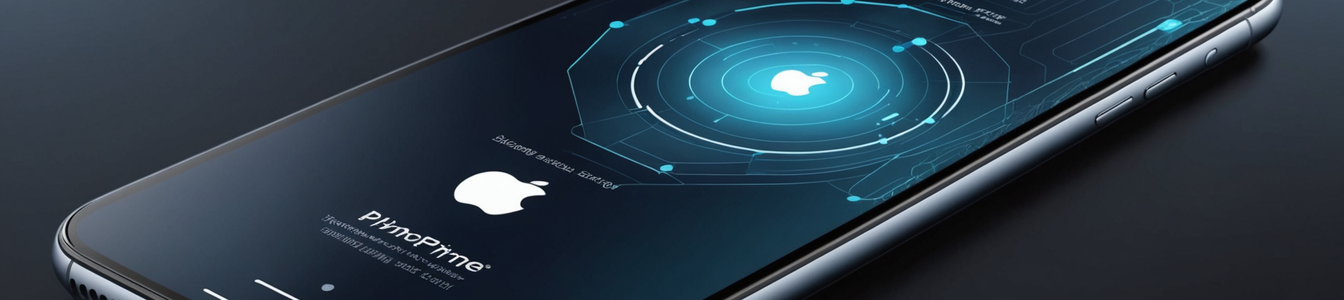
Apple's recent release of iOS 26.3(a) represents a paradigm shift in mobile security strategy—an update that contains zero documented vulnerability fixes but instead serves as a live testing platform for a fundamentally new security architecture. Dubbed the 'Background Security Enhancement' (BSE) system, this silent update is quietly transforming how security operates on iPhones, moving beyond traditional patch-and-update cycles toward continuous, autonomous security hardening.
The 'No-Fix' Security Update
Traditionally, iOS security updates follow a predictable pattern: Apple identifies vulnerabilities, develops patches, and releases them to users with detailed documentation about the addressed threats. iOS 26.3(a) breaks this mold entirely. Security researchers examining the update found no Common Vulnerabilities and Exposures (CVE) entries, no security advisories detailing specific fixes, and no mention of patched vulnerabilities in Apple's release notes. Instead, the update implements what appears to be a foundational change to iOS's security infrastructure—a system designed to enhance protection mechanisms without targeting specific known vulnerabilities.
How Background Security Enhancement Works
The BSE system operates at a level below typical application security, focusing on the underlying processes and communication channels that apps use to function. Early analysis suggests it implements several key mechanisms:
- Runtime Process Hardening: The system continuously monitors and restricts process behaviors in real-time, potentially preventing exploitation attempts before they can execute payloads.
- Inter-Process Communication (IPC) Security Layers: BSE adds additional validation and encryption to how applications communicate with each other and system services, closing potential attack vectors that have been exploited in previous iOS vulnerabilities.
- Memory Protection Enhancements: The update appears to implement more granular memory access controls and randomization techniques that make exploitation significantly more difficult, even for zero-day vulnerabilities.
- Behavioral Analysis at System Level: Unlike traditional antivirus approaches, BSE seems to analyze process behaviors against established baselines, potentially detecting and blocking anomalous activities that could indicate exploitation attempts.
Implications for iPhone Privacy
While enhanced security typically benefits privacy, security researchers are examining potential trade-offs. The BSE system's deep integration into iOS raises questions about what system-level monitoring capabilities Apple is implementing and how this data is handled. The silent nature of the update means users receive no information about what specific security changes are occurring on their devices.
Privacy advocates are particularly concerned about:
- Transparency: Without documentation, users cannot make informed decisions about the security-privacy balance on their devices.
- Data Collection: The behavioral analysis components potentially create new telemetry streams that could contain sensitive information about user activities.
- Control Mechanisms: Enterprise administrators and security-conscious users currently have no way to audit or configure the BSE system's operations.
Enterprise and Developer Impact
For enterprise security teams, iOS 26.3(a) presents both opportunities and challenges. The autonomous nature of BSE could reduce the window of exposure between vulnerability discovery and patch deployment—a significant advantage in enterprise environments where patch cycles can be lengthy. However, the lack of visibility into what specific protections are being implemented makes risk assessment and compliance documentation more difficult.
Developers may experience unexpected behaviors in applications that rely on undocumented iOS features or employ aggressive optimization techniques. The enhanced IPC security could break legitimate inter-app communication patterns that previously functioned without issue.
The Future of iOS Security Architecture
iOS 26.3(a) appears to be a testing ground for security approaches that Apple plans to expand in future releases. The silent deployment suggests Apple is confident in the stability of these changes but wants real-world data on their performance and compatibility before broader implementation.
Security analysts believe this represents Apple's response to several trends:
- Increasing Sophistication of Mobile Threats: As nation-state actors and sophisticated cybercriminals increasingly target iOS devices, traditional security models may be insufficient.
- Supply Chain Security Concerns: The BSE system could help mitigate risks from compromised development tools or libraries by adding runtime protections regardless of application source.
- Zero-Day Economics: With iOS zero-day vulnerabilities commanding seven-figure prices on the gray market, Apple needs defensive mechanisms that don't rely solely on patching known vulnerabilities.
Recommendations for Security Professionals
- Monitor Device Behavior: Enterprise security teams should implement enhanced monitoring for unexpected application behaviors or crashes that could indicate compatibility issues with the new security architecture.
- Update Testing Protocols: Quality assurance processes should include testing against iOS 26.3(a) specifically, as the security changes may affect application performance differently than previous versions.
- Review Privacy Policies: Organizations handling sensitive data should seek clarification from Apple about what, if any, additional data collection the BSE system enables.
- Prepare for Autonomous Security: Security teams should begin developing strategies for managing devices where significant security functions operate outside traditional configuration and monitoring frameworks.
Conclusion
iOS 26.3(a) represents a watershed moment in mobile security—the beginning of a transition from reactive patching to continuous, autonomous protection. While the technical implementation of Background Security Enhancement promises significant security benefits, its deployment raises important questions about transparency, privacy, and user control. As Apple continues to develop this architecture, the security community must engage in dialogue about appropriate balances between protection and transparency, ensuring that enhanced security doesn't come at the cost of user autonomy and privacy rights. The silent test of iOS 26.3(a) may be just the beginning of a fundamental reimagining of how mobile operating systems protect users in an increasingly hostile digital landscape.
Comentarios 0
Comentando como:
¡Únete a la conversación!
Sé el primero en compartir tu opinión sobre este artículo.
¡Inicia la conversación!
Sé el primero en comentar este artículo.