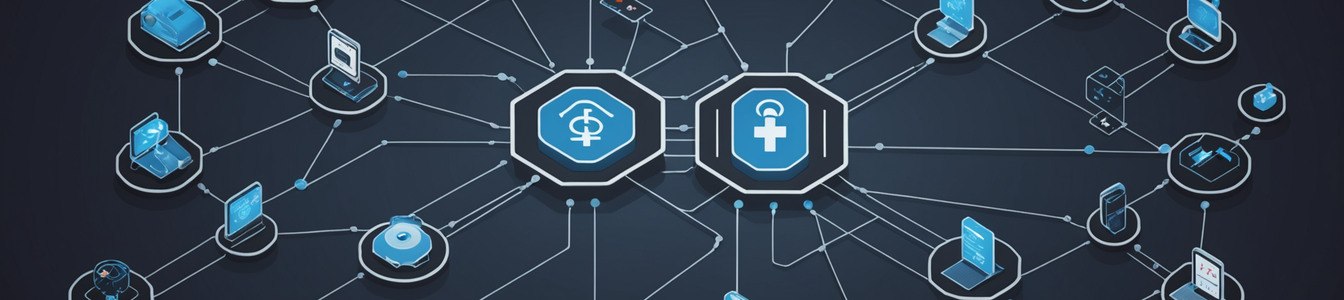
The growing reliance on smart caregiving devices is creating a perfect storm of security vulnerabilities in environments where safety should be paramount. As families increasingly turn to IoT technology to support elderly relatives and individuals with special needs, cybersecurity experts are sounding the alarm about the inherent risks built into these convenience-focused systems.
Smart caregiving devices—including medication dispensers, fall detection sensors, health monitoring systems, and remote assistance platforms—are being deployed in homes at an unprecedented rate. These devices collect highly sensitive data, from medication schedules and vital signs to movement patterns and behavioral analytics. Yet many operate with minimal security protocols, creating backdoors into home networks that could be exploited by malicious actors.
Recent investigations into local-first smart home implementations reveal troubling security gaps. Even when systems are configured to avoid direct internet exposure, they often maintain remote access capabilities through unsecured communication channels. These vulnerabilities allow potential attackers to bypass local network protections through poorly secured companion applications and cloud synchronization features.
Technical analysis demonstrates that many caregiving IoT devices utilize weak authentication mechanisms, transmit data without encryption, and lack regular security updates. The situation is particularly concerning because these devices often operate in environments with limited technical oversight—elderly users and busy caregivers may not possess the cybersecurity knowledge to properly secure these systems.
The healthcare IoT sector faces unique challenges in balancing usability with security. Caregiving devices must remain accessible to non-technical users while protecting sensitive health information. However, current market pressures prioritize convenience and cost-effectiveness over robust security implementations.
Cybersecurity professionals note that the consequences of compromised caregiving devices extend beyond data theft. Manipulated medication schedules, false emergency alerts, or disabled monitoring systems could directly impact physical safety. The very systems designed to protect vulnerable individuals could potentially be weaponized against them.
Industry experts are calling for immediate action on several fronts. Manufacturers must implement security-by-design principles, including mandatory encryption, secure update mechanisms, and transparent privacy controls. Regulatory bodies need to establish minimum security standards for healthcare IoT devices, particularly those handling sensitive medical data.
For cybersecurity teams, the proliferation of caregiving IoT presents new challenges in network segmentation, device monitoring, and vulnerability management. Organizations must develop specialized protocols for securing these devices while maintaining their critical functionality.
The convergence of healthcare and smart home technology requires a fundamental shift in how we approach IoT security. As caregiving devices become increasingly integrated into daily life, the cybersecurity community must lead the charge in ensuring that technological convenience doesn't come at the cost of personal safety and privacy.
Comentarios 0
Comentando como:
¡Únete a la conversación!
Sé el primero en compartir tu opinión sobre este artículo.
¡Inicia la conversación!
Sé el primero en comentar este artículo.