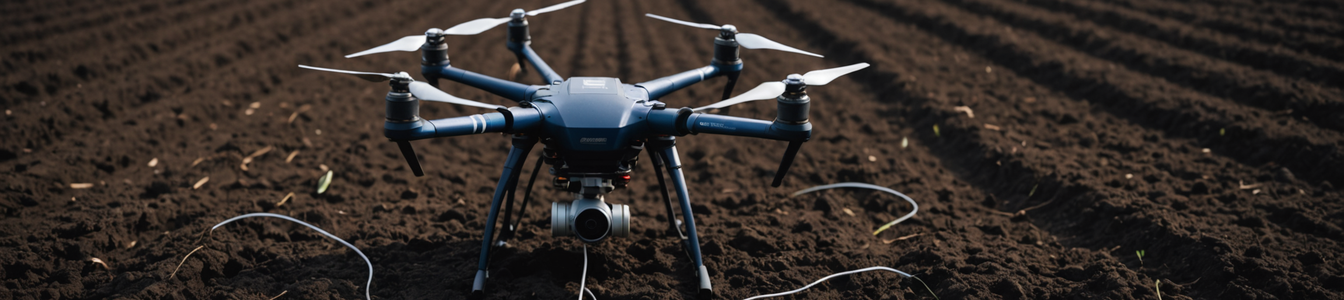
The digital transformation sweeping through global industries has found fertile ground in agriculture. A new wave of affordable, Internet of Things (IoT) devices—from smart soil moisture sensors and connected irrigation valves to drone-based crop monitors—is being marketed directly to small and medium-sized farmers. These tools promise a revolution in precision agriculture, enabling data-driven decisions that can boost yields, conserve water, and reduce costs. Yet, beneath this promise of democratized technology lies a burgeoning and largely unaddressed cybersecurity crisis. The very features that make these devices accessible—low cost, ease of use, and cloud connectivity—are also creating a pervasive and vulnerable attack surface that threatens the stability of critical food supply chains.
The Democratization of Risk
The agricultural IoT market is characterized by intense competition on price and functionality, with security often relegated to an afterthought. Devices are frequently manufactured with default, hard-coded passwords, unencrypted data transmissions, and insecure firmware update mechanisms. Many run on legacy or unsupported operating systems and connect to consumer-grade cloud platforms not designed for industrial control systems. For a small-scale farmer, the primary concern is functionality and affordability; the concept of a cyber threat targeting a soil sensor is abstract and distant. This creates a perfect storm: thousands of critical operational technology (OT) endpoints, controlling physical processes related to food production, are being deployed with consumer-grade IT security, if any at all.
From Farm to Hack: The Attack Vectors
The potential attack vectors are both diverse and severe. A compromised irrigation system could be manipulated to flood fields, drowning crops, or withhold water entirely, leading to catastrophic loss. Sensors providing false data on soil conditions or pest presence could lead to misapplied pesticides or fertilizers, causing financial damage and environmental harm. At a more sophisticated level, attackers could target the data itself. Agricultural data—including precise yield maps, soil health analytics, and resource usage patterns—has immense economic and strategic value. Theft or manipulation of this data could undermine a farm's competitive advantage or be used for corporate espionage.
Furthermore, these isolated farm networks can serve as stepping stones. An attacker might compromise a vulnerable IoT device on a farm as an initial access point, then pivot to attack the device manufacturer's cloud platform, potentially gaining access to data and controls for thousands of other farms. This supply chain risk amplifies the threat from a localized incident to a systemic one.
The Critical Infrastructure Blind Spot
While sectors like energy and finance have long been recognized as critical infrastructure, the agricultural supply chain has only recently begun to receive similar scrutiny. An attack disrupting a regional cluster of farms or a key food processing facility that relies on IoT data could have ripple effects on food availability and prices. The interconnected nature of modern agriculture means a cyber incident is no longer just a farmer's problem; it is a societal risk.
This challenge is compounded by a significant skills gap. Most farmers are not cybersecurity experts, and most cybersecurity professionals have limited experience with agricultural OT environments. There is a pressing need for security frameworks and best practices tailored to the unique constraints and realities of agricultural operations.
A Call for Secure by Design
Addressing this risk requires a multi-stakeholder approach. Device manufacturers must adopt a "secure by design" philosophy, building in fundamental security features like unique credentials, encrypted communication, and secure update protocols from the outset, even for low-cost devices. Policymakers and agricultural extension services need to develop cybersecurity guidelines and awareness campaigns tailored for the farming community.
For the cybersecurity industry, agricultural IoT represents a new frontier. It demands the development of lightweight security solutions suitable for resource-constrained devices operating in remote locations. It also requires a shift in perspective, recognizing the family farm or local co-op as a node in a critical national infrastructure network. Proactive steps—including vulnerability research, threat modeling specific to agricultural scenarios, and the development of incident response plans for food production systems—are urgently needed. The goal of democratizing agricultural technology is laudable, but it must be pursued with an equal commitment to democratizing cybersecurity resilience. The security of our food supply may depend on it.
Comentarios 0
Comentando como:
¡Únete a la conversación!
Sé el primero en compartir tu opinión sobre este artículo.
¡Inicia la conversación!
Sé el primero en comentar este artículo.