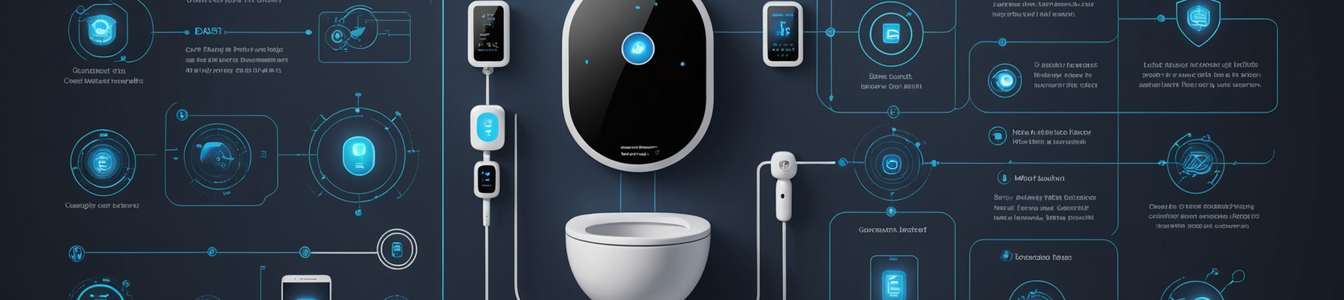
The frontier of health technology is retreating from our wrists and pockets into the most intimate spaces of our daily lives. A silent revolution is underway with the emergence of passive, ambient Internet of Things (IoT) devices designed to monitor our bodily functions without active engagement. From smart toilet sensors that perform real-time urinalysis to continuous glucose monitors and automated medication trackers, we are witnessing the dawn of the 'Bodily Network 2.0.' This network promises a paradigm shift in proactive healthcare but simultaneously constructs a pervasive, always-on surveillance platform within our homes, presenting cybersecurity and privacy challenges of unprecedented intimacy and scale.
The Architecture of Intimate Surveillance
The defining characteristic of this new wave is passivity. Unlike a fitness tracker you must remember to wear, these devices integrate seamlessly into the environment. A smart toilet attachment, for example, can analyze urine flow and composition each time it is used, tracking hydration, nutrient levels, and potential metabolic markers. A discreet sensor on a medicine cabinet can monitor when a pill bottle is opened, logging medication adherence for elderly patients. A subcutaneous or minimally invasive continuous glucose monitor transmits data to a smartphone app, creating a detailed log of blood sugar fluctuations.
The value proposition is clear: effortless, continuous health data leading to earlier interventions and personalized insights. However, from a security perspective, this model is fraught with risk. The data generated is arguably the most sensitive category imaginable—a real-time biochemical and behavioral log of an individual's private life. It reveals not just medical conditions, but daily routines, stress levels, dietary habits, sleep patterns, and even potential substance use.
Expanding the Attack Surface into Private Sanctuaries
Cybersecurity professionals are familiar with securing enterprise networks and consumer devices, but the 'Bodily Network 2.0' expands the attack surface into previously off-limits domains. The threats are multi-layered:
- Data Integrity Attacks: Tampering with glucose monitor data could lead a diabetic user to administer a fatal dose of insulin. Corrupting medication adherence logs could falsely indicate non-compliance to healthcare providers or family members.
- Confidentiality Breaches: The exfiltration of this intimate data stream is a goldmine for malicious actors. It enables medical identity theft, highly targeted phishing (spear-phishing based on a specific health condition), blackmail, and discrimination by employers or insurers. A leaked dataset from smart toilets could reveal pregnancy, urinary tract infections, or chronic diseases before the individual has even informed their family.
- Device Hijacking and Denial-of-Service: While a hijacked smart light bulb is a nuisance, a disabled or manipulated health monitor can have immediate physical consequences. An attacker could trigger false alarms, suppress genuine alerts, or render the device useless.
- Inference and Profiling: Even anonymized data can be re-identified when combined with other datasets. Patterns in bathroom usage times or medication intake can infer work schedules, travel, and lifestyle, creating comprehensive behavioral profiles.
The Privacy Paradox of Passive Collection
A critical issue is the erosion of informed consent. The very passivity that makes these devices convenient also obscures their data collection. Users may 'set and forget' a toilet sensor, unaware of the continuous data stream being generated and transmitted. The domestic context further lowers security guardrails; people do not approach their bathroom with the same security mindset as their corporate laptop. This creates a perfect storm where vast amounts of sensitive data are collected from a low-security environment with minimal user awareness.
Furthermore, data ownership and sharing agreements are often buried in lengthy terms of service. This intimate data may be aggregated, sold to third parties for 'research,' or used to train proprietary algorithms, all while being vulnerable to breaches within often-overlooked vendor cloud infrastructures.
A Call to Action for the Security Community
The emergence of the Bodily Network 2.0 demands a proactive and urgent response from cybersecurity architects, regulators, and ethical hackers.
- Security by Design: Manufacturers must implement end-to-end encryption for data in transit and at rest, secure device authentication (beyond default passwords), and regular, seamless security patch mechanisms. Privacy must be a core feature, not an afterthought, incorporating principles like data minimization and on-device processing where possible.
- Transparent Data Governance: Users need clear, concise controls over what data is collected, how long it is stored, and with whom it is shared. 'Privacy dashboards' should be mandatory, allowing easy data deletion and export.
- Regulatory Evolution: Existing regulations like HIPAA in the US may not fully cover consumer-grade health IoT. Regulators need to establish clear security baselines for devices handling intimate bodily data, regardless of whether they are sold as 'medical devices.'
- Independent Security Research: The white-hat community must prioritize testing these devices, conducting penetration tests, and publishing findings to pressure manufacturers toward higher security standards.
The promise of passive health IoT is undeniable, offering a leap forward in personalized medicine. However, without rigorous security and ethical frameworks, we risk building a world where our most private biological functions become just another data point in a vulnerable, surveilled network. The goal must be a Bodily Network that empowers individuals without exposing them, turning the bathroom and bedroom into zones of trust, not vectors for exploitation.
Comentarios 0
Comentando como:
¡Únete a la conversación!
Sé el primero en compartir tu opinión sobre este artículo.
¡Inicia la conversación!
Sé el primero en comentar este artículo.