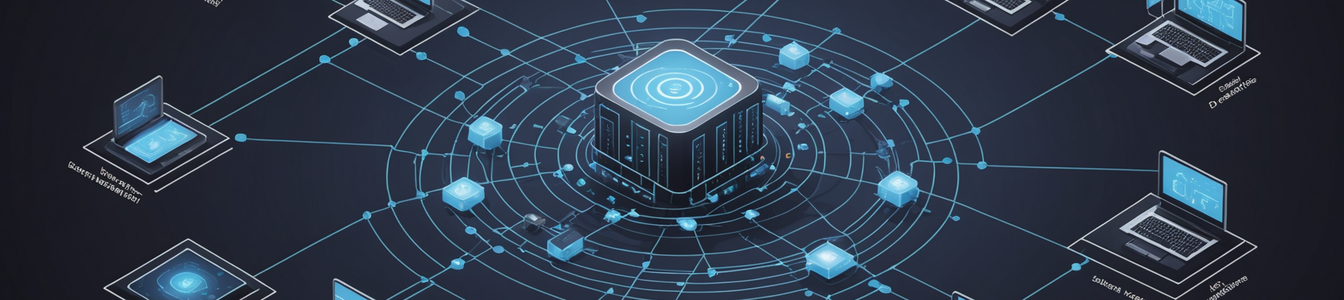
The cybersecurity battleground is shifting. As the Internet of Things (IoT) proliferates, attention is moving from the security of individual smart devices—the oft-criticized cameras, sensors, and appliances—to the security of the underlying platforms that make these vast ecosystems function. These 'meta-IoT' systems, the digital supply chains and integrated service networks, are becoming the new high-value targets for threat actors. Recent strategic moves in the industry underscore this consolidation and digitization, simultaneously highlighting a burgeoning attack surface that could impact thousands of downstream devices and operations with a single, well-placed breach.
The Rise of the Connected Backbone: Supply Chains and Smart Infrastructure
Two distinct examples illustrate the trend. In the realm of digital supply chains, companies like Loftware are launching integrated platforms such as 'Loftware Connect,' designed to create a new standard for connected supply chains. These platforms aggregate data from labeling, tracking, and logistics across a global network of partners. They don't just print a barcode; they manage the digital thread of a product's journey. Similarly, in physical infrastructure, the acquisition of a majority stake in tech-driven service firm WeMaintain by Otis, a global leader in elevator and escalator manufacturing, signals a push towards centralized, IoT-enabled maintenance networks for smart buildings. These platforms move beyond servicing a single elevator to managing the health of entire building ecosystems—HVAC, lighting, access control, and elevators—from a unified digital dashboard.
The Attraction for Adversaries: Scale and Systemic Impact
For cybersecurity professionals, this convergence is a red flag. These platforms are 'force multipliers' for attackers. Why breach one smart lock or one warehouse management system when you can compromise the platform that manages millions of locks or coordinates logistics for hundreds of companies? The compromise of a digital supply chain platform like Loftware Connect could enable devastating attacks:
- Data Manipulation: Altering shipping labels, rerouting cargo, or falsifying safety certifications, leading to logistical chaos, financial loss, or even the introduction of counterfeit goods into secure supply chains (e.g., pharmaceuticals, aerospace).
- Ransomware Extortion: Encrypting the platform could halt the labeling and tracking operations for countless companies, creating immense pressure to pay a ransom.
- Espionage: Continuous, stealthy monitoring of global shipment data provides invaluable intelligence for corporate espionage or nation-state actors.
In the smart building context, a platform like the one WeMaintain operates represents a gateway to critical urban infrastructure. A breach could allow attackers to:
- Disable Critical Systems: Simultaneously shut down elevators in hundreds of high-rise buildings, cripple HVAC systems in hospitals, or manipulate access controls in secure facilities.
- Conduct Physical Espionage: Use connected sensors to monitor occupancy, movement, and operations within government or corporate buildings.
- Launch Lateral Attacks: Use the trusted maintenance network as a beachhead to move into the corporate IT networks of the building's tenants.
Expanding the Threat Model: From Device to Ecosystem
This evolution demands a fundamental shift in cybersecurity strategy. The traditional IoT security model, focused on hardening individual endpoints, is insufficient. The new model must encompass the entire ecosystem, with particular emphasis on:
- Platform-Level Security: The core cloud or on-premise infrastructure hosting these meta-IoT services must be built with zero-trust architecture, rigorous identity and access management (IAM) for both humans and machines, and advanced threat detection.
- Secure API Ecosystems: These platforms live and die by their APIs, which connect myriad partners and devices. API security must be paramount, including strict authentication, encryption, rate limiting, and comprehensive logging to prevent abuse and data exfiltration.
- Supply Chain Security for the Supply Chain Platform: The irony is profound. The providers of digital supply chain solutions must themselves exemplify impeccable software supply chain security—securing their CI/CD pipelines, conducting rigorous third-party code audits, and providing software bills of materials (SBOMs) to their clients.
- Network Segmentation and Anomaly Detection: Within smart building networks, strict segmentation must isolate critical life-safety systems (elevators, fire alarms) from general building management and tenant IT networks. Behavioral analytics must detect anomalous commands, such as all elevators in a region receiving a 'stop' command simultaneously.
The Path Forward: Security as an Enabler, Not an Afterthought
For CISOs and security architects, the message is clear. As their organizations adopt or rely on these integrated IoT platforms, due diligence must extend far beyond the feature list. Security questionnaires for vendors must probe deep into platform architecture, incident response capabilities, and data isolation practices. Contracts must include clear cybersecurity service level agreements (SLAs) and liability clauses.
The high-impact nature of these targets will inevitably attract more advanced persistent threats (APTs) and sophisticated ransomware groups. The cybersecurity community's response must be equally sophisticated, moving from a reactive posture to one of proactive, ecosystem-wide defense. The 'Invisible Guardians'—the platforms that keep our smart world running—must themselves be guarded with the highest level of vigilance. Their security is no longer just a technical issue; it is a matter of economic stability and public safety.
Comentarios 0
Comentando como:
¡Únete a la conversación!
Sé el primero en compartir tu opinión sobre este artículo.
¡Inicia la conversación!
Sé el primero en comentar este artículo.