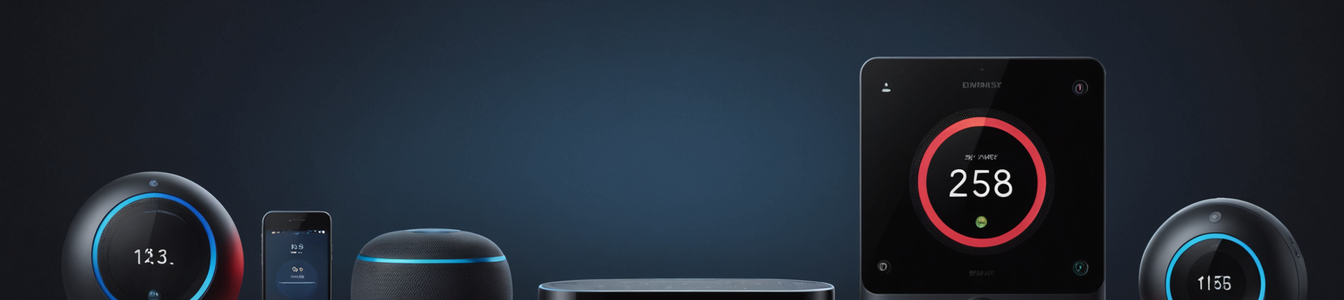
The dust has settled on another record-breaking Black Friday and Cyber Monday shopping season, but for cybersecurity professionals, the real work is just beginning. Beyond the headlines of doorbuster deals on smart home gadgets lies a sobering reality: the holiday sales frenzy has dramatically expanded the consumer attack surface, introducing millions of potentially vulnerable Internet of Things (IoT) devices into home networks worldwide. This post-holiday "IoT hangover" presents a persistent and evolving threat that will challenge security teams and consumers for months, if not years, to come.
The Discounted On-Ramp: Analyzing the Promotional Landscape
This year's sales events heavily featured smart home and IoT devices as cornerstone deals. Prominent among them were deep discounts on Ring video doorbells, with promotions advertising up to 62% off, making these network-connected cameras and audio devices accessible to a broader demographic. Similarly, Amazon's Echo Hub, a central control panel for smart homes, was aggressively priced at $199, positioning it as a gateway device for ecosystem lock-in. These deals, alongside countless others on smart plugs, bulbs, security cameras, and voice assistants, were marketed primarily on convenience and cost-saving, with security considerations conspicuously absent from the sales pitch.
The commercial success of these promotions is undeniable. However, from a security perspective, this success translates into a massive-scale deployment of devices that historically rank among the most vulnerable endpoints on any network. The low price point often correlates with cost-cutting in areas like secure software development lifecycle (SDLC), regular firmware update mechanisms, and long-term vendor support commitments.
Beyond the Purchase: The Long-Term Vulnerability Debt
The immediate risk of buying a compromised device is just the tip of the iceberg. The more significant threat is the "vulnerability debt" accumulated post-installation. Many devices sold during these events are older stock or models nearing end-of-life (EoL). Consumers, thrilled with their bargain, may unknowingly install a device that:
- Ships with Outdated Firmware: Devices may run firmware from months or years ago, containing known, exploitable vulnerabilities that were patched in later versions but never applied to the unit in the box.
- Has a Short Support Window: Budget IoT manufacturers often provide support and security updates for only 1-2 years. A device bought today could stop receiving patches well before its physical end of life, leaving it perpetually vulnerable.
- Lacks Basic Security Hygiene: Default, weak, or hardcoded credentials; unencrypted data transmissions; and insecure cloud API integrations remain common in low-cost IoT segments.
- Expands the Attack Surface for Botnets: Devices like cameras and smart plugs are prime targets for malware like Mirai, which scans for open Telnet ports and default passwords to conscript devices into Distributed Denial-of-Service (DDoS) botnets.
This creates a perfect storm: a high volume of new, insecure devices connected to networks that also host personal computers, mobile devices, and sometimes even corporate assets due to the rise of remote work.
Actionable Guidance for Mitigating the Post-Holiday Risk
For cybersecurity professionals advising clients or managing corporate bring-your-own-device (BYOD) and work-from-home policies, and for consumers themselves, proactive steps are critical.
For Security Teams & Advisors:
- Update Security Awareness Training: Incorporate specific modules on IoT risks, emphasizing that a cheap device can have a high hidden cost. Teach users to identify key security features before purchase.
- Advocate for Network Segmentation: Encourage the use of guest networks for all IoT devices. This simple step can prevent a compromised smart bulb from being a stepping stone to a laptop holding sensitive data.
- Promote Vulnerability Management for the Home: While enterprise tools aren't feasible, recommend consumer-grade network scanners or router features that can identify connected devices and flag suspicious activity.
For Consumers:
- Immediate First Boot Protocol: Before using any new device, connect it only long enough to download and install the latest firmware update. Do not configure it with personal data until this is complete.
- Credential Fortification: Immediately change any default username and password to a strong, unique passphrase. Enable multi-factor authentication (MFA) on the associated account if available.
- Audit and Inventory: Maintain a simple list of all connected devices on your home network. Periodically check the manufacturer's website for support status and update announcements.
- Disable Unnecessary Features: Turn off remote access, UPnP, or any feature you do not explicitly need, reducing the device's exposure to the wider internet.
The Road Ahead: A Call for Vendor Accountability and Consumer Vigilance
The post-holiday IoT hangover underscores a systemic issue in the consumer electronics market: security is treated as a premium feature, not a fundamental requirement. Until regulatory pressures or market forces shift this paradigm, the cycle will repeat each holiday season.
The responsibility is dual. Vendors must adopt security-by-design principles and provide transparent, long-term support timelines. Consumers and the professionals who guide them must move beyond the allure of the discount and make security a primary purchasing criterion. The deals may be over, but the window to secure the devices they brought into our homes and networks is still open—for now. Failing to act consolidates these holiday bargains into a persistent and growing vulnerability landscape, turning seasonal cheer into a year-round threat.
Comentarios 0
Comentando como:
¡Únete a la conversación!
Sé el primero en compartir tu opinión sobre este artículo.
¡Inicia la conversación!
Sé el primero en comentar este artículo.