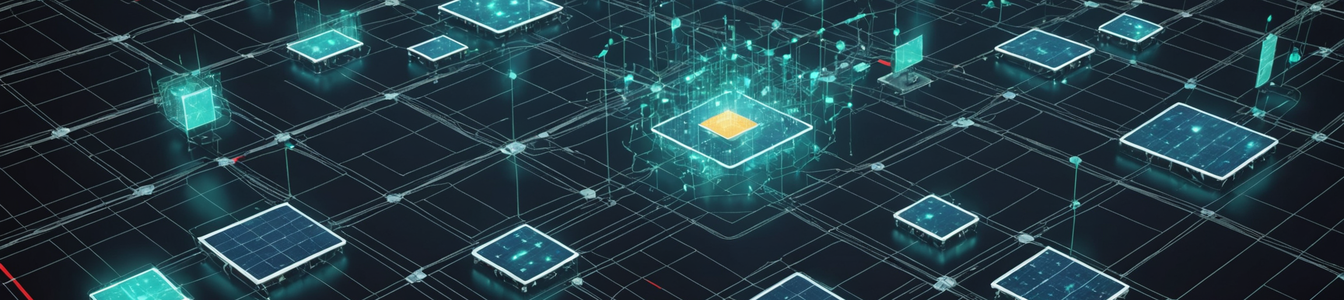
The global push for sustainability is undergoing a digital transformation, with Internet of Things (IoT) devices becoming the central nervous system of next-generation green infrastructure. From smart solar grids to IoT-optimized water cooling for photovoltaic panels, these technologies promise unprecedented efficiency and scalability for renewable energy. However, this integration is forging a dangerous paradox: the infrastructure designed to create a more resilient and sustainable future is itself built upon a fragile and vulnerable digital backbone. For cybersecurity professionals, this represents one of the most pressing and complex threat landscapes of the coming decade, merging operational technology (OT), critical infrastructure, and large-scale IoT deployments into a single target-rich environment.
IoT as the Engine of Green Efficiency
The drive for greater efficiency is pushing IoT deeper into the physical layer of energy production. Research highlighted by industry publications indicates that IoT sensor networks are key to making advanced concepts like solar module water cooling commercially viable. These systems use a network of connected sensors to precisely monitor panel temperature and optimize cooling in real-time, boosting energy output. While this represents a triumph of engineering, it also exemplifies the new dependency. Each sensor, actuator, and controller is a potential entry point. An attacker compromising the IoT network managing a cooling system could not only degrade performance but potentially cause physical damage through improper operation, turning an efficiency tool into a liability.
Scale Magnifies the Risk
The vulnerability is not theoretical; it is scaling at an alarming rate. Consider the case of Sweden, which connected a staggering 21,600 new solar power plants to its grid in 2025 alone. This is not 21,600 panels, but 21,600 individual plants—each a node in the national energy network. Many of these will incorporate smart inverters, performance monitoring systems, and grid-balancing IoT devices. The attack surface is no longer a single power station; it is a decentralized, geographically dispersed archipelago of digital assets. A coordinated cyber-attack could manipulate generation data, disrupt grid-balancing signals, or trigger widespread disconnections, destabilizing the power network. The distributed nature of renewable energy, often touted as a strength, becomes a cybersecurity challenge of immense complexity.
The Critical Gap: Security in the Digital Infrastructure Framework
The core issue is that the digital infrastructure enabling this green revolution is often an afterthought in terms of security. As industry leaders like Ilissa Miller, CEO of iMPR and OIX board member, emphasize in forums such as Connected America 2026, there is an urgent need for a coherent Digital Infrastructure Framework. Current practices frequently involve bolting security onto deployed systems rather than baking it in from the design phase. This framework must address several critical layers:
- Device & Network Security: Many IoT devices in energy settings have weak default credentials, unpatched firmware, and lack secure communication protocols like TLS. They become easy prey for botnets or initial access brokers.
- Supply Chain Integrity: The components for solar plants, inverters, and sensors come from a global supply chain. Compromised hardware or software introduced at any point can create persistent backdoors.
- OT/IT Convergence: The traditional air gap between operational technology (the physical controllers) and IT networks is vanishing. This convergence exposes historically isolated OT systems to internet-borne threats.
- Data Integrity Attacks: For energy grids, falsified data can be more damaging than a denial-of-service attack. Manipulating generation or load data could lead to catastrophic grid decisions.
The Path Forward: Security-by-Design for Sustainability
Addressing the green IoT dilemma requires a fundamental shift in mindset. Cybersecurity cannot be a compliance checkbox; it must be a core engineering requirement for sustainable infrastructure. This involves:
- Mandating Strong Authentication & Encryption: Enforcing device identity management and encrypted communications for all grid-edge IoT deployments.
- Implementing Continuous Monitoring: Deploying security solutions capable of detecting anomalous behavior within OT and IoT networks, understanding normal operational patterns.
- Developing Sector-Specific Protocols: Creating and enforcing cybersecurity standards tailored for renewable energy assets, similar to NERC CIP but designed for distributed generation.
- Fostering Public-Private Collaboration: Governments, energy providers, and cybersecurity firms must collaborate on threat intelligence sharing and incident response plans tailored to the energy sector.
The goal of a sustainable energy future is inseparable from the goal of a secure one. As we build the smart, green grids of tomorrow, we must ensure their digital foundations are resilient. The alternative is a future where our clean energy sources, due to their digital dependencies, become the most attractive targets for those seeking to destabilize society. The time to harden this digital backbone is now, before the next wave of green infrastructure is fully deployed.
Comentarios 0
Comentando como:
¡Únete a la conversación!
Sé el primero en compartir tu opinión sobre este artículo.
¡Inicia la conversación!
Sé el primero en comentar este artículo.