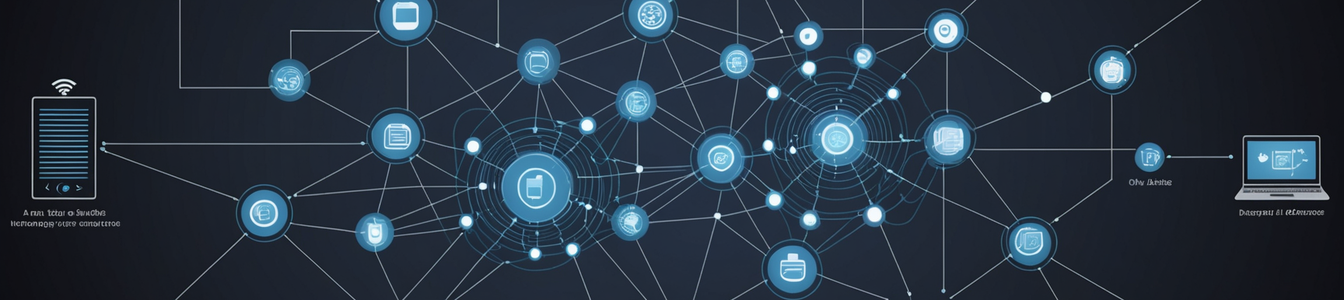
The digital footprints left by interconnected sensors and surveillance systems are transforming criminal investigations, creating what forensic experts now call the 'physical-digital nexus'—a convergence point where traditional physical evidence meets digital data trails. Recent cases spanning multiple continents illustrate how IoT forensics has moved from theoretical concept to investigative necessity.
The Investigative Value of Connected Evidence
In Pune, India, authorities apprehended four individuals for stealing copper wire from a hospital's MRI machine. While seemingly a straightforward theft, investigators reportedly utilized CCTV footage from the hospital's security network alongside access control logs to establish timelines, identify suspects, and trace movements through the facility. The MRI machine itself, a complex IoT device with diagnostic sensors and connectivity features, may have provided additional telemetry data about unauthorized access or operational disruptions.
Similarly, in Carroll County, Maryland, the theft of $30,000 worth of musical instruments from 'The Band Shoppe' was linked to other regional thefts through surveillance footage analysis. Law enforcement connected seemingly isolated incidents by examining digital recordings from multiple businesses, identifying patterns in suspect behavior, vehicle descriptions, and temporal correlations that would have been impossible to establish through traditional investigation alone.
Perhaps most strikingly, Virginia State Police and the FBI recently made an arrest in a decade-old cold case involving a young woman who vanished from a shopping mall. The breakthrough reportedly came from re-examining and enhancing old surveillance footage using modern digital forensic tools, alongside analyzing mobile device location data and other digital traces that placed the suspect at the scene. This case exemplifies how historical sensor data, when properly preserved and analyzed with contemporary techniques, can solve crimes years after they occur.
The Cybersecurity Implications of Forensic Sensor Data
As law enforcement increasingly relies on IoT and surveillance data, these systems become high-value targets for both criminals and nation-state actors. The very sensors that provide investigative evidence also create massive, distributed repositories of sensitive information vulnerable to multiple attack vectors:
- Evidence Tampering Risks: Unsecured CCTV networks and IoT devices can be compromised to alter or delete footage before investigators access it. The proliferation of internet-connected cameras with known vulnerabilities creates opportunities for real-time evidence destruction.
- Chain of Custody Challenges: Digital evidence from IoT devices requires meticulous documentation of its journey from sensor to courtroom. Any break in this digital chain of custody—whether through insecure transmission, inadequate storage, or unauthorized access—can render evidence inadmissible.
- Data Integrity Concerns: Modern digital cameras, like the retro-styled model featuring a Sony sensor mentioned in technology reviews, generate extensive metadata (EXIF data, geotags, device identifiers). While valuable for authentication, this metadata can be manipulated by sophisticated attackers to create false narratives or discredit legitimate evidence.
- Scale and Privacy Tensions: The exponential growth of surveillance sensors creates investigative opportunities but also unprecedented privacy challenges. Investigators must navigate legal frameworks while security professionals must protect these systems from becoming tools of mass surveillance or targets for harvesting personal data.
Technical Considerations for Security Professionals
Security teams responsible for IoT and surveillance systems must implement several key measures:
- Secure Data Lifecycle Management: Implement end-to-end encryption for data at rest, in transit, and during processing. Ensure proper key management practices to prevent unauthorized access while maintaining availability for legitimate forensic use.
- Tamper-Evident Logging: Deploy systems that create immutable logs of all access and modifications to sensor data. Blockchain-based solutions or hardware security modules can provide verifiable audit trails.
- Network Segmentation: Isolate surveillance and critical IoT systems from general corporate networks to limit attack surfaces. Implement strict access controls and monitoring for these sensitive networks.
- Regular Forensic Readiness Assessments: Conduct periodic reviews to ensure systems can produce court-admissible evidence. This includes maintaining proper time synchronization, preserving original evidence formats, and documenting all processing steps.
- Vendor Security Evaluation: When deploying new surveillance or IoT systems, assess vendors' security practices, data protection measures, and forensic capabilities. The quality of evidence depends heavily on underlying system architecture.
The Future of IoT Forensics
As sensor technology advances—with higher resolution cameras, more sophisticated metadata, and AI-enhanced analytics—the forensic value of these systems will continue growing. However, this expansion brings parallel risks: more complex systems present more potential vulnerabilities, and richer data creates greater privacy implications.
Security professionals must advocate for 'security by design' in surveillance and IoT implementations, ensuring that forensic integrity is built into systems from their inception rather than added as an afterthought. This requires collaboration between cybersecurity teams, legal departments, law enforcement, and system vendors to establish standards and best practices.
The cases from India, Maryland, and Virginia demonstrate that IoT forensics is no longer speculative—it's operational. The sensors surrounding us in hospitals, shops, and public spaces are becoming silent witnesses that can either help solve crimes or become instruments of injustice if improperly secured. In this physical-digital nexus, cybersecurity isn't just about protecting data; it's about preserving truth itself.
Comentarios 0
Comentando como:
¡Únete a la conversación!
Sé el primero en compartir tu opinión sobre este artículo.
¡Inicia la conversación!
Sé el primero en comentar este artículo.