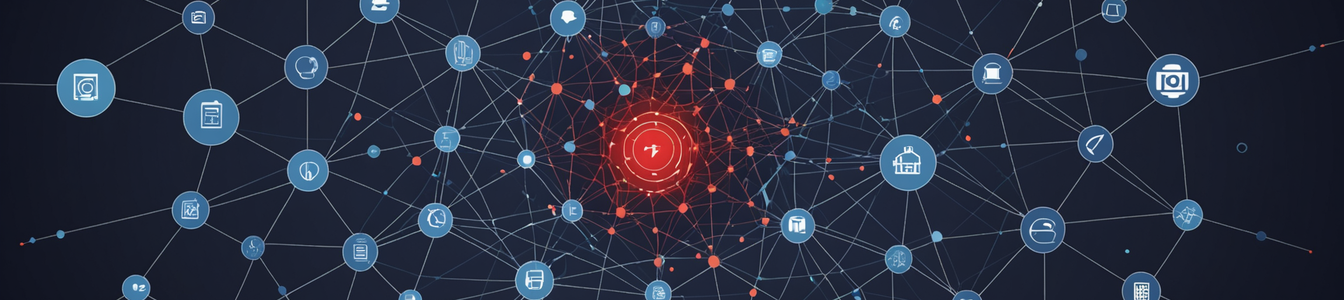
The recent announcement of Netmore's acquisition of Actility is more than a corporate headline; it is a seismic event in the architecture of the Internet of Things. This move consolidates two major players in the Low-Power Wide-Area Network (LPWAN) and IoT connectivity space, aiming to create a "global leader" for Massive IoT deployments. For cybersecurity strategists, this merger is a stark case study in a dangerous global trend: the rapid consolidation of critical technological gateways, which redraws the battle lines of network security by creating powerful new chokepoints and systemic vulnerabilities.
The New Gatekeepers of Connectivity
Netmore's acquisition of Actility, a pioneer in LoRaWAN technology, effectively merges significant network infrastructure and management platforms. The combined entity will control a vast swath of connectivity solutions for smart cities, utilities, logistics, and industrial IoT. This concentration of power means that thousands of enterprises and municipalities will now depend on a single, more powerful vendor for a critical layer of their operational technology (OT) and IoT stack. The promise is seamless global connectivity and innovation. The hidden cost is a dramatic increase in systemic risk. A security breach, software vulnerability, or operational failure within this consolidated entity could cascade across industries and national borders, disrupting everything from energy grids to supply chain tracking.
The Ripple Effect: Consolidation Beyond Connectivity
This trend is not isolated to connectivity providers. It mirrors strategic shifts across the digital ecosystem. For instance, major Indian corporations are aggressively scaling AI integration across their operations and functions. This drive for efficiency and insight often leads to partnerships with or acquisitions of specialized AI firms, centralizing data analytics and decision-making logic within fewer, more complex platforms. Similarly, in sectors like real estate—as seen with Grainger's joint venture acquiring a major London housing scheme—the push for smart, connected buildings creates new alliances. These ventures integrate property management with IoT service providers, building automation companies, and data analytics firms, creating intricate webs of technological and contractual dependencies.
The Cybersecurity Imperative in a Consolidated World
For Chief Information Security Officers (CISOs) and network defenders, this consolidation gamble presents a multifaceted challenge:
- Supply Chain Complexity & Opacity: The merger of major vendors obfuscates the supply chain. A device certified for Actility's network must now be re-evaluated under Netmore's security protocols and infrastructure. The attack surface expands to include the merged entity's entire codebase, employee base, and physical infrastructure. Third-party risk management must evolve from checking a vendor's SOC 2 report to deeply understanding the security post-merger integration roadmap and the resilience of the combined entity's operations.
- The Single Point of Failure Threat: Centralized control creates a lucrative target for advanced persistent threats (APTs), ransomware gangs, and state-sponsored actors. Disabling or compromising a consolidated IoT connectivity platform could hold entire smart cities or industrial sectors hostage. Defense strategies must now include contingency plans for the catastrophic failure of a primary connectivity vendor, including technical workarounds and contractual service-level agreements (SLAs) that account for cyber-incident recovery.
- Vendor Lock-in and Security Stagnation: Reduced competition can lead to decreased incentive for rapid security innovation. Customers may find themselves "locked in" to a platform where they have less leverage to demand enhanced security features, transparent audit logs, or robust encryption standards. Cybersecurity teams must negotiate security requirements upfront in long-term contracts and advocate for interoperability standards that allow for a multi-vendor strategy, even if it's less convenient.
- Data Sovereignty and Privacy Crossfire: As these consolidated entities operate globally, data from European smart meters, Indian manufacturing plants, and Brazilian agricultural sensors may flow through centralized processing nodes. This raises complex questions about compliance with GDPR, India's DPDP Act, Brazil's LGPD, and other regional regulations. The consolidated gatekeeper becomes a single point of legal and compliance scrutiny.
Strategic Recommendations for Defense
To navigate this new landscape, security leaders must adopt a more strategic, governance-focused approach:
- Conduct Merger & Acquisition (M&A) Cyber Due Diligence: When your critical vendor merges, treat it as a major security event. Initiate a formal reassessment of their security posture, integration plans, and long-term roadmap.
- Architect for Resilience: Design IoT deployments with redundancy and failover capabilities. Explore multi-network strategies (e.g., combining LoRaWAN with cellular IoT) to avoid absolute dependence on a single provider.
- Strengthen Contractual Security: Embed stringent cybersecurity requirements, right-to-audit clauses, breach notification timelines, and liability terms into all contracts with consolidated service providers.
- Invest in Enhanced Visibility: Deploy security solutions that provide deep visibility into IoT device behavior and network traffic independent of the vendor's own management console. Assume you cannot fully trust the gatekeeper's logs.
Conclusion: The Double-Edged Sword of Scale
The consolidation of IoT players like Netmore and Actility is driven by a logical pursuit of scale, efficiency, and global reach. However, in cybersecurity, scale often equates to concentrated risk. The very integration that makes Massive IoT economically viable also makes it systemically fragile. The professional cybersecurity community's task is no longer just to secure devices and data, but to critically assess and fortify the increasingly consolidated pillars upon which the connected world is being built. The battle lines have shifted from the network perimeter to the boardrooms and integration labs where these mega-mergers are forged. Vigilance must follow.
Comentarios 0
Comentando como:
¡Únete a la conversación!
Sé el primero en compartir tu opinión sobre este artículo.
¡Inicia la conversación!
Sé el primero en comentar este artículo.