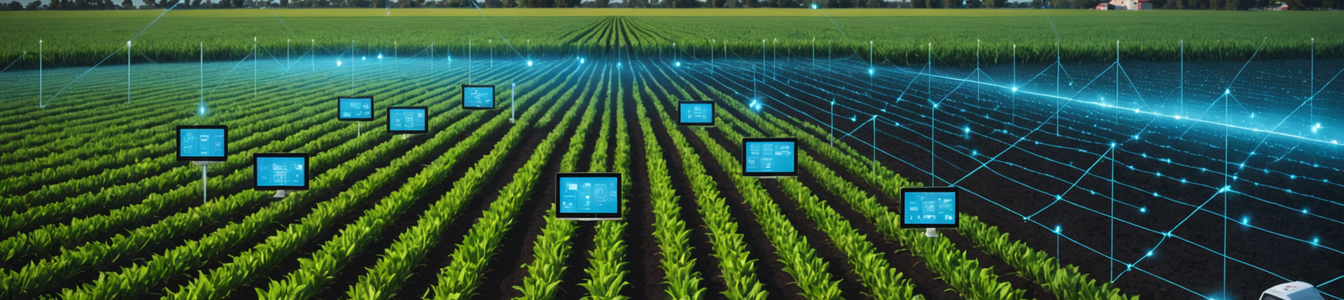
The agricultural sector is undergoing a digital transformation that promises unprecedented efficiency and productivity gains, but this revolution comes with significant cybersecurity implications that the industry is only beginning to confront. As farming operations become increasingly dependent on interconnected IoT systems, satellite connectivity, and AI-driven analytics, they create new attack surfaces that threaten global food security.
Recent technological advancements highlight both the promise and peril of agricultural digitalization. Irish startups are developing affordable soil health sensors that can transform how farmers monitor crop conditions, while Australian companies like Myriota celebrate decades of innovation in remote connectivity solutions. These technologies enable real-time monitoring of soil moisture, nutrient levels, and environmental conditions across vast agricultural landscapes.
The connectivity backbone supporting these systems is equally transformative. India's emergence as a leader in indigenous satellite chipsets is pioneering new approaches to Satellite IoT and 6G connectivity, providing the infrastructure needed for comprehensive agricultural monitoring in even the most remote regions. This satellite-based approach eliminates traditional connectivity gaps but introduces new security considerations for data transmission and system integrity.
Simultaneously, partnerships between companies like AgroFresh, Aerobotics, and Neolithics demonstrate how AI-powered imaging and orchard analytics are becoming central to modern agriculture. These systems process massive amounts of visual and sensor data to optimize crop management, but they also create potential vectors for data manipulation and system compromise.
The cybersecurity challenges in agricultural IoT are multifaceted. Many agricultural sensors operate in remote locations with limited physical security, making them vulnerable to tampering or unauthorized access. The communication protocols used in rural environments often prioritize range and battery life over security, creating potential entry points for attackers.
Data integrity represents another critical concern. Manipulated sensor readings could lead to incorrect irrigation, fertilization, or harvesting decisions, potentially devastating crop yields. In sophisticated attacks, compromised systems could provide false information about soil conditions or crop health while appearing to function normally.
The consequences of security breaches extend beyond individual farms. As agricultural systems become more interconnected, a compromise in one system could potentially affect regional food production or supply chains. The aggregation of agricultural data also raises privacy concerns and creates valuable targets for corporate espionage or nation-state actors.
Addressing these challenges requires specialized security approaches tailored to agricultural environments. Traditional enterprise security solutions often prove inadequate for rural deployments where connectivity may be intermittent and technical support limited. Security measures must account for the unique constraints of agricultural operations, including limited power availability, extreme environmental conditions, and the need for long-term deployment without maintenance.
The development of security standards for agricultural IoT remains in its early stages. Industry collaboration between technology providers, agricultural companies, and cybersecurity experts is essential to establish best practices and security frameworks. These efforts must balance security requirements with the practical realities of farming operations and the economic constraints of the agricultural sector.
Looking forward, the integration of blockchain for supply chain transparency, secure satellite communication protocols, and AI-driven anomaly detection represent promising approaches to securing agricultural systems. However, these technologies must be implemented with careful consideration of their performance impact and compatibility with existing agricultural practices.
The cybersecurity community has a critical role to play in ensuring that the agricultural digital transformation proceeds securely. By developing specialized security solutions, conducting vulnerability research, and educating agricultural stakeholders about security risks, cybersecurity professionals can help protect the systems that feed the world while enabling the benefits of agricultural technology innovation.
Comentarios 0
Comentando como:
¡Únete a la conversación!
Sé el primero en compartir tu opinión sobre este artículo.
¡Inicia la conversación!
Sé el primero en comentar este artículo.