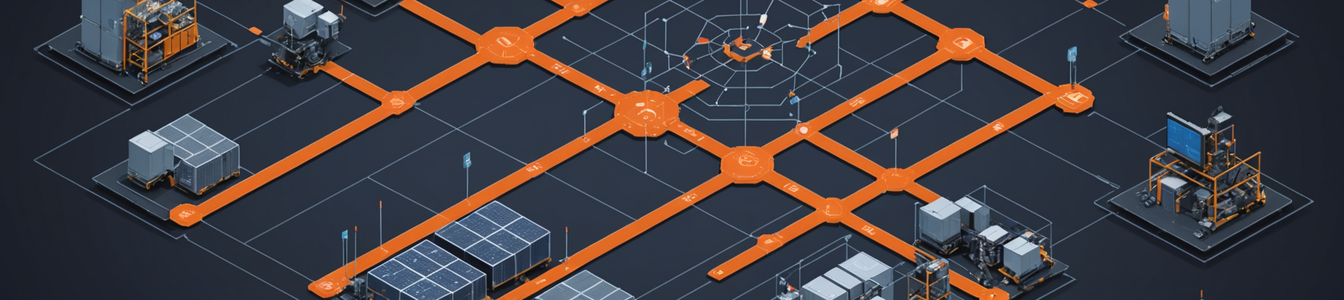
The global logistics network is undergoing a silent revolution, one sensor at a time. From shock detectors on pallets to environmental monitors in shipping containers and vibration sensors on critical infrastructure, connected Internet of Things (IoT) devices are embedding themselves into the physical backbone of commerce. This transformation promises unparalleled supply chain visibility and efficiency. However, cybersecurity experts are sounding the alarm: this proliferation of often-insecure sensors is creating a vast, distributed, and vulnerable attack surface that threatens not just data, but the physical movement of goods worldwide.
The Visibility Boom and Its Inherent Risks
Recent product launches and deployments illustrate the scale of this shift. Companies like SpotSee are rolling out next-generation connected sensors, such as the ShockWatch® 2 QR, designed to provide real-time alerts for impacts or drops during transit. These devices transmit data directly to logistics platforms, enabling proactive intervention. Similarly, national initiatives, like Brunei's new Smart IoT system to protect infrastructure from cable theft, demonstrate government-level adoption of sensor networks for physical security. On another front, defense and security expansions, such as the reseller agreement between KeepZone AI and Beesense Sensors Systems to distribute solutions across Canada and Mexico, show this technology moving into sensitive sectors.
Each sensor represents a node in a sprawling network. While they solve traditional problems—theft, damage, delays—they introduce modern cyber risks. Many of these sensors are designed with cost and functionality as priorities, not security. They often lack basic capabilities like secure boot, encrypted communications, or regular patch management. When deployed by the thousands across a supply chain, they become low-hanging fruit for attackers.
The Cybersecurity Implications: A Triple Threat
The risks extend far beyond the compromise of a single device. Security professionals identify three primary threat vectors emerging from this trend:
- Data Leakage and Espionage: IoT sensors are data collection points. A compromised temperature sensor in a pharmaceutical shipment can reveal sensitive information about shipment schedules, routes, and even the nature of high-value cargo. Location data from trackers can map out entire logistics networks, revealing patterns and vulnerabilities. This data is a goldmine for competitors or nation-state actors engaged in industrial espionage.
- Cyber-Physical Disruption: This is the most alarming risk. Unlike a breached database, a compromised industrial IoT sensor can have immediate physical consequences. An attacker who gains control of a network of shock or tilt sensors could trigger false alarms, causing unnecessary inspections and halting shipments. More critically, in integrated systems, malicious data from a sensor could trigger automated responses—like rerouting entire container loads or shutting down warehouse sorting systems—causing massive logistical and financial damage. The integration of these sensors with broader platforms, as seen with Otis offering connected vertical mobility solutions in EMEA, shows how sensor data is fed into critical operational systems, amplifying the potential impact of manipulation.
- Vendor Lock-in and Supply Chain Complexity: The IoT sensor ecosystem creates deep dependencies on specific vendors for hardware, software, and cloud platforms. A security flaw in one vendor's gateway or cloud service could compromise every sensor connected to it. Furthermore, the complexity of managing security policies, firmware updates, and certificates across heterogeneous devices from multiple suppliers becomes a monumental task for enterprise IT and OT teams, increasing the likelihood of oversight.
The Path Forward: Securing the Connected Supply Chain
Addressing this new frontier requires a paradigm shift. Cybersecurity can no longer be an afterthought bolted onto a logistics IoT deployment. It must be foundational. Key steps include:
- Security-by-Design Mandates: Procurement teams must demand transparent security specifications from sensor vendors, including hardware-based root of trust, mandatory encrypted communication (like TLS 1.3), and secure, over-the-air update mechanisms.
- Network Segmentation and Zero Trust: Sensor networks must be rigorously segmented from core enterprise IT networks. A Zero Trust approach, where no device is inherently trusted, should govern how sensor data is ingested and validated before reaching critical decision-making systems.
- Continuous Monitoring and Anomaly Detection: Security operations centers (SOCs) need to expand their visibility to include IoT telemetry. Behavioral analytics can detect when a sensor starts transmitting anomalous data, which could indicate compromise or spoofing.
- Industry-Wide Standards and Frameworks: The logistics and cybersecurity communities must collaborate to develop and adopt security frameworks specific to supply chain IoT, similar to existing guidelines for industrial control systems.
The drive for efficiency and visibility is irreversible. The connected sensor is now a permanent fixture in global logistics. The challenge for the cybersecurity industry is to ensure that this infrastructure is resilient by design. The security of tomorrow's supply chains depends on the actions taken today to harden these countless, tiny, and critical endpoints.
Comentarios 0
Comentando como:
¡Únete a la conversación!
Sé el primero en compartir tu opinión sobre este artículo.
¡Inicia la conversación!
Sé el primero en comentar este artículo.