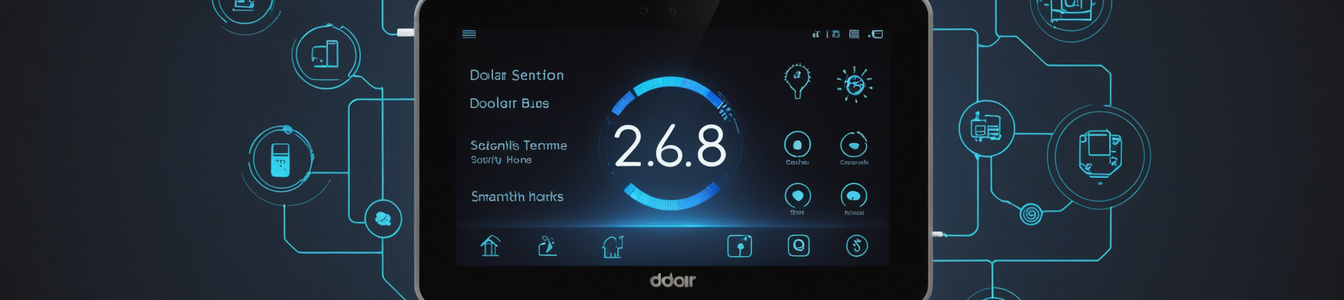
The smart home revolution promised convenience and connectivity, but a disturbing trend is emerging: IoT manufacturers are increasingly transforming one-time purchases into perpetual subscription services, creating what security experts are calling 'permanent security liabilities.' This shift from product ownership to service dependency isn't just changing how consumers interact with their devices—it's fundamentally altering the security landscape in dangerous ways.
When a user stops paying for a smart doorbell's cloud storage subscription, the device doesn't simply stop recording. It often remains connected to the network, running outdated firmware, with known vulnerabilities unpatched because security updates are bundled with the subscription service. These 'zombie devices'—functional enough to maintain network presence but abandoned by both users and manufacturers—create persistent attack surfaces that can be exploited long after the financial relationship has ended.
The security implications are profound. Unlike traditional software where security patches might be provided for a defined support period, subscription-based IoT creates arbitrary cutoffs. A device purchased in 2023 might receive security updates only until 2025 unless the user continues monthly payments. This paywall model fragments the security update cycle across user populations, creating a patchwork of protection levels that attackers can systematically exploit.
Technical communities are responding with innovative workarounds that highlight both the problem and potential solutions. The repurposing of old Chromecast devices into local smart home hubs demonstrates how hardware can outlive its original subscription-dependent functionality. By installing custom firmware like Home Assistant, users can transform these 'obsolete' devices into fully functional, locally-controlled hubs that don't depend on cloud services or recurring payments for security updates.
Similarly, the growing preference for ESP32 microcontrollers over Raspberry Pi systems for certain smart home applications reflects a shift toward more sustainable, controllable infrastructure. ESP32 devices offer lower power consumption, adequate processing for many IoT tasks, and crucially, they're not tied to subscription ecosystems. When configured with open-source platforms, they provide security through transparency and community-maintained updates rather than corporate paywalls.
Perhaps most telling is the trend of repurposing old routers as dedicated IoT network controllers. This approach addresses multiple security concerns simultaneously: it creates network segmentation (isolating IoT devices from primary networks), provides local control without cloud dependency, and utilizes hardware that has already been purchased and isn't subject to subscription expiration. The security benefits are substantial—reduced attack surface, contained breach scenarios, and independence from manufacturer update policies.
From a cybersecurity perspective, the subscription model creates several critical vulnerabilities:
- Update Fragmentation: When security patches are tied to active subscriptions, populations of identical devices will have wildly different patch levels based on individual payment status, making coordinated defense impossible.
- Abandonment Incentives: Manufacturers have reduced incentive to maintain long-term security for devices whose revenue streams have ended, creating time-bomb vulnerabilities.
- Supply Chain Obfuscation: The true security posture of an IoT ecosystem becomes impossible to assess when critical protections depend on individual payment histories rather than technical specifications.
- Botnet Recruitment: Zombie devices with expired subscriptions but maintained network connectivity become prime targets for botnet recruitment, as they're unlikely to receive security updates that might detect and prevent compromise.
The regulatory landscape is struggling to keep pace. While some jurisdictions have begun mandating minimum security update periods for IoT devices, these regulations typically don't address the subscription loophole—manufacturers can technically offer updates while practically making them inaccessible behind paywalls.
Security professionals must adapt their risk assessments to account for this new reality. Network inventories now need to track not just device types and firmware versions, but also subscription status and update eligibility. Vulnerability management programs must consider that a 'patched' vulnerability in a manufacturer's update repository might be inaccessible to specific devices based on payment status rather than technical compatibility.
The solution lies in both technical and market pressure. Open-source alternatives, local control options, and consumer education about the long-term security costs of subscription models are essential. Manufacturers must be pressured to decouple critical security updates from feature subscriptions, recognizing that leaving connected devices vulnerable creates externalities that affect entire networks, not just individual non-paying customers.
As the IoT market matures, the security community faces a critical choice: allow security to become just another line item in a subscription bundle, or insist that basic protection remains an inherent responsibility of putting connected devices on the market. The current trajectory toward paywalled security creates systemic risks that extend far beyond individual device functionality, threatening the integrity of the networks we all depend on.
Comentarios 0
Comentando como:
¡Únete a la conversación!
Sé el primero en compartir tu opinión sobre este artículo.
¡Inicia la conversación!
Sé el primero en comentar este artículo.