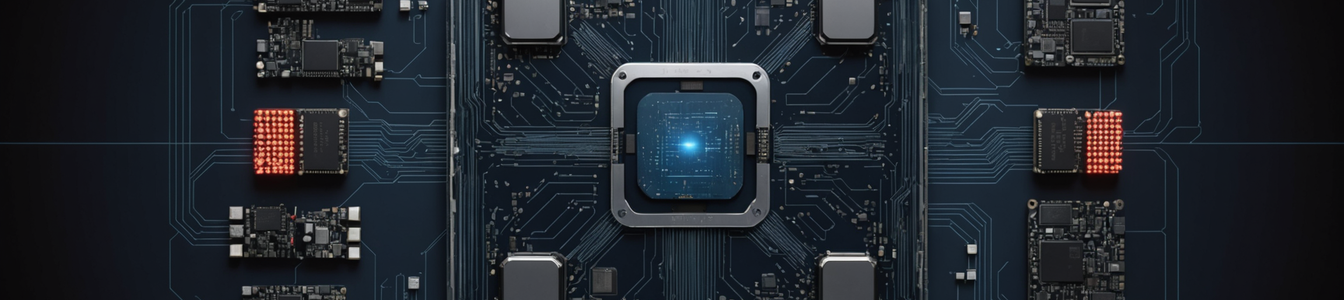
The smartphone industry is heading toward a perfect storm in 2026, where a severe and persistent memory chip shortage is colliding with cybersecurity imperatives, forcing manufacturers into dangerous trade-offs that will have lasting implications for device security. What began as a supply chain disruption has evolved into a systemic security crisis, with the integrity of hardware components now in question.
The Root of the Crisis: Geopolitics and Supply Chain Fragility
The shortage of critical DRAM and NAND flash memory is not merely a production issue; it is deeply intertwined with global instability. Key shipping lanes and trade partnerships, particularly those involving regions like Iran, have become flashpoints. The broader geopolitical conflict risks highlighted by analysts extend far beyond oil prices, directly impacting the transit of semiconductors and raw materials. This fragility has choked the supply of high-quality, security-vetted memory chips, creating a bifurcated market where premium components command prohibitive prices.
Security Compromises in Component Selection
Faced with soaring costs and limited availability, OEMs are making deliberate, security-adjacent decisions to keep devices affordable and on schedule. Multiple industry reports confirm a trend toward sourcing lower-grade memory components for mid-range and budget smartphones. The security implications are profound:
- Inferior NAND Flash: Lower-grade NAND has higher bit error rates and shorter endurance cycles. This directly impacts the reliability of encrypted storage and the wear-leveling algorithms crucial for maintaining the integrity of the file system where sensitive data resides. Corrupted encryption keys or firmware partitions could render a device unbootable or, worse, expose data.
- Compromised DRAM: Slower, less reliable DRAM can hinder the performance of critical security functions like real-time memory encryption (e.g., ARM's Realm Management Extension), exacerbate Rowhammer-style bit-flip attacks, and create bottlenecks for on-device AI security features (like malware detection).
- Vendor Diversification: To secure any supply, manufacturers are turning to second- or third-tier memory fabricants whose security postures and manufacturing integrity are less established than industry leaders like Samsung or Micron, increasing the risk of hardware-level vulnerabilities or counterfeit components.
The Ripple Effect on Software Security
The hardware compromises create a cascading effect on software security. Device makers may delay or scale back security update programs for models using these compromised components. The rationale is twofold: first, the profit margin on these devices is too thin to support long-term software support; second, firmware updates can be more risky on unstable hardware, potentially bricking devices. This shortens the practical security lifecycle of a smartphone, leaving users vulnerable sooner.
Case in Point: The "Value" Segment Shift
The recent launch of Apple's iPhone 17e, starting at an aggressive $599, is a bellwether. To hit this price point amid component inflation, Apple and others are undoubtedly making calculated sacrifices. For the cybersecurity community, the question is no longer if security was compromised, but where and to what degree. This move pressures the entire Android value segment to follow suit, potentially normalizing reduced security as a cost of affordability.
Implications for Cybersecurity Professionals
- Updated Risk Assessments: Enterprise mobility management (EMM/UEM) strategies must be revised. Procurement policies should demand greater transparency on component sourcing, especially for BYOD programs or bulk purchases of mid-range devices for field workers.
- Hardware-inclusive Threat Models: Security teams must expand their threat modeling to include hardware reliability. Questions about memory integrity, secure element performance, and firmware update stability need to be part of vendor questionnaires.
- Supply Chain Due Diligence: The incident underscores the need for software bill of materials (SBOM) concepts to evolve into a hardware bill of materials (HBOM) with security pedigrees. Knowing your chip's provenance is becoming as important as knowing your code's dependencies.
- Focus on Detection: With potentially weaker hardware-based security roots (like TrustZone on unreliable memory), investment in robust behavioral detection and network-based security for mobile devices becomes even more critical as a compensating control.
Conclusion
The 2026 memory chip crisis is transforming from a supply chain story into a foundational cybersecurity challenge. It demonstrates how geopolitical and economic pressures can directly degrade the technological security upon which businesses and individuals rely. Cybersecurity leaders must now look deeper than the software layer, advocating for and requiring hardware transparency to manage the novel risks emerging from the silicon shortage. The era of taking hardware integrity for granted is over.
Comentarios 0
Comentando como:
¡Únete a la conversación!
Sé el primero en compartir tu opinión sobre este artículo.
¡Inicia la conversación!
Sé el primero en comentar este artículo.