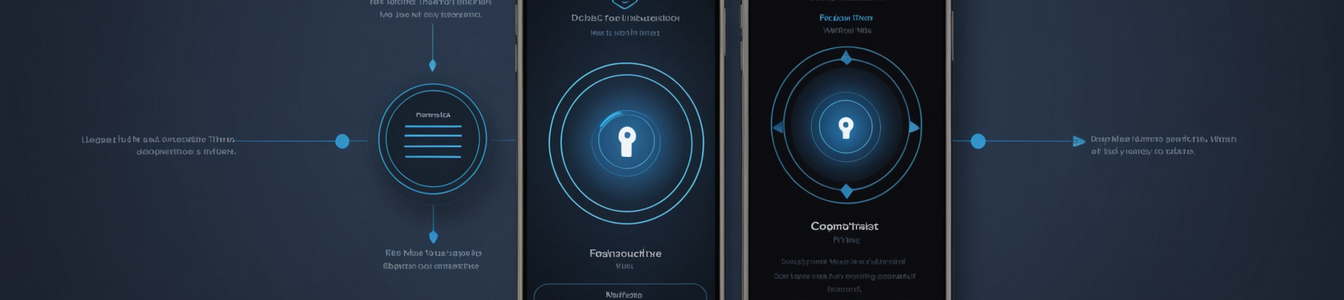
A new and insidious ransomware campaign is exploiting geopolitical digital tensions to target iPhone users in Russia. With the Russian government implementing renewed restrictions on the Telegram messaging platform, citizens have flocked to Virtual Private Networks (VPNs) to maintain access. Seizing this opportunity, threat actors have crafted a potent social engineering scheme that disguises device hijacking as a solution for digital freedom.
The scam operates through websites and online advertisements promoting free, easy-to-use VPN services specifically for bypassing Telegram blocks. Instead of delivering a functional VPN application, the process guides users to install a "configuration profile" or enroll the device in a Mobile Device Management (MDM) system. On iOS, configuration profiles are powerful tools typically used by organizations to manage company-owned devices, allowing administrators to control settings, restrict features, and even remotely lock or wipe the device.
By tricking users into installing a malicious profile, the attackers gain this administrative authority. Once the profile is installed, the attackers can trigger a remote lock command. The victim's iPhone screen becomes unresponsive, displaying a ransom note—often in Russian—that accuses the user of violating laws (like viewing prohibited content) and demands a payment, usually ranging from 5,000 to 15,000 Russian rubles (approximately $55-$165 USD), to unlock the device. The payment is typically demanded via cryptocurrency to obscure the trail.
This attack is particularly effective because it exploits a perfect storm of conditions: high user demand for circumvention tools, limited technical understanding of MDM profiles among general consumers, and the inherent trust users place in solutions that promise to restore access to essential communication services. The psychological pressure is amplified by the false legal accusation, creating a sense of panic that may compel victims to pay quickly.
From a technical cybersecurity perspective, this campaign represents a significant evolution. It moves beyond traditional malware distribution, instead abusing legitimate enterprise management features built into the operating system. There is no malicious "app" to detect in the traditional sense; the attack vector is a signed configuration profile, which iOS is designed to trust once the user grants permission. The initial installation requires significant user interaction (navigating to Settings, manually installing the profile), but social engineering makes these steps seem like a necessary part of "setting up the VPN."
Mitigation and response for security professionals and users involve several key steps. First, public awareness is critical: users must be educated that a legitimate VPN service does not require installing a configuration profile from a website. Reputable VPNs are distributed exclusively through the official App Store. Second, users should never install profiles from untrusted sources. A profile's installation can be checked in Settings > General > VPN & Device Management. If an unknown MDM profile or configuration profile is present, it should be removed immediately—though this may be impossible if the device is already locked.
For a device already locked by this scam, the primary recovery option is to perform a full factory reset via recovery mode (connecting to a computer and using iTunes or Finder). This will erase the device, including the malicious profile, but also all user data not backed up to iCloud. There is no guarantee that paying the ransom will result in the device being unlocked, and doing so fuels the criminal enterprise.
This incident serves as a stark reminder to the global cybersecurity community about the weaponization of legitimate OS features and the dangers of context-specific social engineering. As geopolitical events drive surges in demand for privacy tools, threat actors will continue to tailor their lures accordingly. Defenders must prioritize user education on these less-common attack vectors and advocate for clearer OS warnings about the power of configuration profiles. For enterprises, it reinforces the need to understand and secure their own MDM solutions, which could be mimicked or compromised in similar attacks. The line between a management tool and an exploitation framework has never been thinner.
Comentarios 0
Comentando como:
¡Únete a la conversación!
Sé el primero en compartir tu opinión sobre este artículo.
¡Inicia la conversación!
Sé el primero en comentar este artículo.