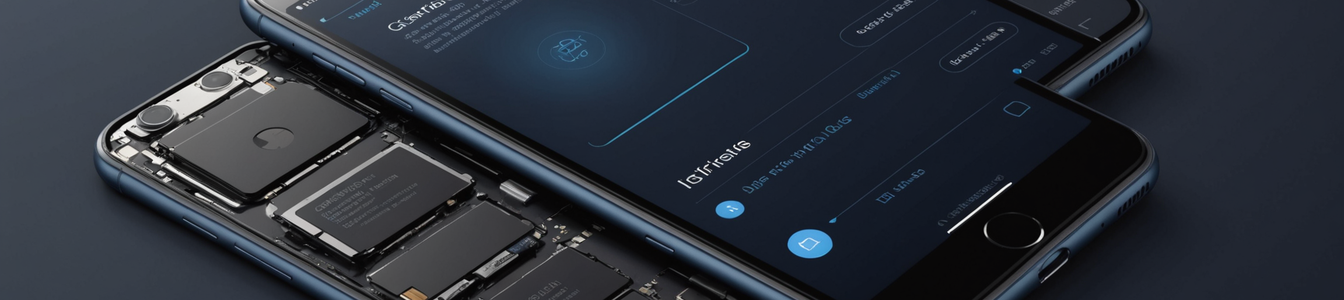
A silent crisis is unfolding across the Apple ecosystem. Four months after its official release, iOS 26 is installed on a mere 16% of compatible iPhones, according to aggregated data from analytics firms Statcounter and TelemetryDeck. This sluggish adoption rate represents a stark break from precedent and is forging a dangerously fragmented security landscape that cybersecurity teams must now urgently address.
Historical Context and a Broken Pattern
Apple has long been the gold standard for rapid operating system adoption. Historically, major iOS versions achieved 70-80% penetration within the first four to six months, aided by a controlled hardware ecosystem and prominent update prompts. iOS 26's 16% adoption is not just low; it is an anomaly. The majority of the iPhone installed base remains on iOS 18, with significant pockets on versions 17 and even older. This multi-version spread creates a nightmare scenario for vulnerability management, as a single critical security flaw may require multiple, distinct patches, and exploits can remain viable across a vast pool of unpatched devices.
Root Causes: Beyond User Apathy
Analysts point to a confluence of factors driving the stagnation. The primary cause appears to be 'feature fatigue.' iOS 26, like several of its recent predecessors, is perceived as an incremental update, offering few user-facing innovations that compel an immediate upgrade. For the average user, the perceived risk of new bugs or changes to the familiar interface outweighs the abstract benefit of 'the latest version.'
Compounding this is reported instability in early iOS 26 builds. Widespread anecdotes of battery drain, application crashes, and connectivity issues circulated on forums and social media, creating a chilling effect that discouraged proactive updating. The trust in a seamless Day-One update experience, once an Apple hallmark, has been dented.
Perhaps the most symbolic development is the inclusion in iOS 26.3 of a new, streamlined 'Switch to Android' data migration tool. While framed as user convenience, the cybersecurity community interprets this as a strategic move acknowledging potential platform attrition. It signals a focus on user retention at the point of departure, rather than solely on enticing upgrades, and subtly validates user hesitation.
The Cybersecurity Impact: A Expanded Attack Surface
For security professionals, this is not merely a product adoption story; it is a direct threat multiplier.
- Prolonged Exploit Viability: Known vulnerabilities patched in iOS 26 remain actively exploitable on the 84% of devices running older versions. The window for attackers to weaponize public Common Vulnerabilities and Exposures (CVEs) is no longer measured in weeks but potentially in months or even years, as Apple is forced to maintain security updates for an unusually broad array of legacy OS versions.
- Enterprise Management Chaos: Corporate IT and security teams rely on Mobile Device Management (MDM) solutions to enforce compliance and ensure a secure, uniform device fleet. This fragmentation shatters that uniformity. Creating security policies, deploying enterprise applications, and validating compliance (for standards like ISO 27001 or GDPR) become exponentially more complex when dealing with three or four major iOS versions in active use.
- Erosion of the Patching Social Contract: The rapid-update model functions as a collective security mechanism. Slow adoption undermines this, creating safe havens for malware and botnets that target unpatched, yet still internet-connected, devices. An iPhone on iOS 18 is not a relic; it is a modern, powerful device with known security gaps.
- Intelligence and Response Burden: Threat intelligence feeds and incident response playbooks must now account for a wider range of potential OS-level behaviors and vulnerabilities per device type. Identifying an exploit's impact across a heterogeneous environment slows down containment and remediation efforts.
Mitigation Strategies for a New Reality
The cybersecurity community cannot wait for Apple to reverse this trend magically. Proactive measures are required:
- Enhanced User Communication: Security teams, especially in enterprise environments, must move beyond generic 'update your device' alerts. Communications must explicitly link specific, patched critical CVEs (e.g., 'This update fixes a flaw allowing remote code execution via malicious PDFs') to tangible user risk.
- Granular MDM Policies: Enterprises should implement more aggressive phased update mandates via MDM, coupled with clear internal support channels for post-update issues to alleviate user fear.
- Risk-Based Asset Management: Inventory and risk-assessment processes must now weigh the OS version as a primary critical factor, potentially restricting network access or sensitive application use for devices running versions below a defined security baseline (e.g., N-1 policy).
- Vendor Pressure: The security industry should collectively urge Apple to decouple critical security patches from major feature updates, allowing them to be delivered to a broader range of older OS versions more efficiently—a model more akin to Google's Project Mainline for Android.
The stalled rollout of iOS 26 is a watershed moment. It demonstrates that even the most controlled ecosystems are not immune to user update inertia. The resulting fragmentation presents a clear and present danger, demanding a fundamental shift in how organizations approach mobile endpoint security, moving from assuming uniformity to actively managing pervasive diversity and the inherent risk it brings.
Comentarios 0
Comentando como:
¡Únete a la conversación!
Sé el primero en compartir tu opinión sobre este artículo.
¡Inicia la conversación!
Sé el primero en comentar este artículo.