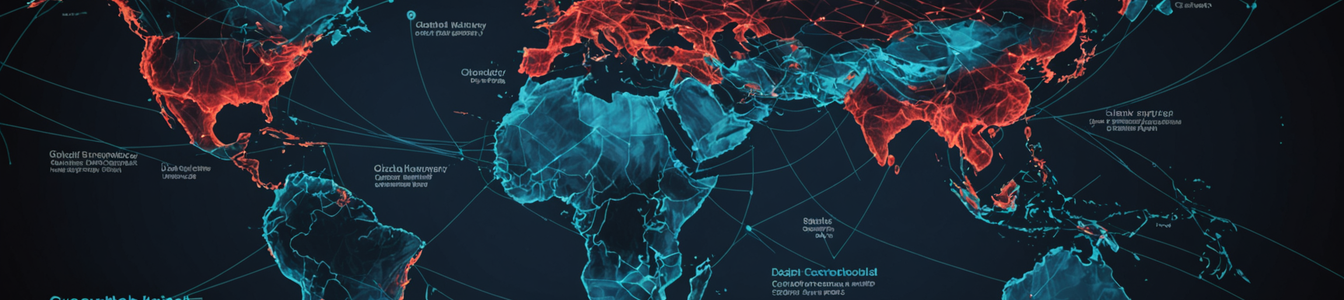
The geopolitical fault line running through the Strait of Hormuz is no longer just a concern for energy traders and naval strategists. The protracted Iran conflict is functioning as a powerful inflation engine, transmitting price shocks across global commodity markets that are forcing a fundamental recalculation of security priorities for both corporations and nation-states. For cybersecurity professionals, this economic turbulence is not a distant macroeconomic phenomenon but an immediate operational risk factor, reshaping threat landscapes, budget allocations, and vulnerability exposures.
From Fertilizer to Fuel: The Supply Chain Security Domino Effect
The conflict's impact is vividly illustrated in the strain on critical agricultural and energy inputs. India, a major importer, faces a potential fertilizer crunch as maritime disruptions threaten shipments. This agricultural input shock has a direct national security dimension, threatening food security and social stability. Concurrently, reports indicate the Indian government is considering reducing standard LPG cylinder refills from 14.2 kg to 10 kg to manage supply constraints and subsidy costs stemming from the Hormuz crisis. This move, while aimed at rationing supply, would increase logistical complexity and transaction frequency, potentially expanding the attack surface for supply chain cyber operations targeting distribution networks and payment systems.
Further downstream, the conflict is squeezing packaging materials, with reports suggesting the cost of Coca-Cola in India may rise due to increased aluminum and other packaging costs. This micro-example reveals a macro-trend: the inflation shock is pervasive, moving from raw materials (fertilizer) to energy (LPG) to manufactured components (packaging). Each node in this chain represents a digital-physical system vulnerable to disruption. The integrity of Industrial Control Systems (ICS) and Supervisory Control and Data Acquisition (SCADA) systems managing these supply chains becomes paramount, as their compromise could amplify physical shortages orchestrated by geopolitical actors.
The Fiscal Reckoning: Governments Turn to Private Wealth
As documented in a UBS report, governments globally, burdened by debt accumulated during previous crises and new spending to cushion inflation shocks, are likely to increasingly 'tap private wealth' to manage fiscal stability. This trend has significant cybersecurity ramifications. The mechanisms for this—potentially including new digital asset registries, enhanced financial transaction monitoring, wealth taxes, or forced lending schemes—will require massive, secure digital infrastructures. The creation of centralized registries of private wealth or real-time transaction surveillance systems presents a high-value target for state-sponsored advanced persistent threat (APT) groups seeking economic intelligence or aiming to undermine fiscal policy. Furthermore, the push for greater financial transparency and enforcement will accelerate regulatory technology (RegTech) adoption, expanding the digital perimeter that security teams must defend and creating new data lakes of sensitive financial information attractive to ransomware gangs and insider threats.
The African Dimension: Compounding Crises and Cyber Resilience
The inflation stress is particularly acute for African economies, as noted by the South China Morning Post, which are emerging from older shocks only to face new ones. These economies often have less fiscal space to respond, weaker critical infrastructure, and lower cyber maturity. The compounded economic pressure creates a perfect storm where essential services—power, water, food distribution—are both physically strained and digitally vulnerable. For multinational corporations operating in these regions, the third-party risk calculus changes dramatically. Local partners under severe economic stress may deprioritize cybersecurity investments or become more susceptible to social engineering and insider threats, creating a backdoor into global corporate networks.
Strategic Implications for Cybersecurity Leadership
This confluence of factors demands a strategic shift in cybersecurity planning:
- Integrated Risk Modeling: Security teams must move beyond siloed cyber risk assessments to integrated models that factor in geopolitical instability, commodity price volatility, and sovereign fiscal health. The likelihood of a disruptive cyber-attack on a port, fertilizer plant, or energy grid is now intrinsically linked to these macroeconomic indicators.
- Budgetary Trade-off Analysis: CISOs must articulate the security consequences of inflation-driven cost-cutting. When a manufacturing plant reduces its physical security guard force to save costs, how does that increase its vulnerability to a cyber-physical attack on its machinery? Security leadership must model these trade-offs explicitly for the board.
- Supply Chain Cyber Diligence: Due diligence on suppliers must now include an assessment of their economic resilience to geopolitical inflation shocks. A supplier on the brink of bankruptcy is a major supply chain cyber risk, potentially cutting corners on security or becoming an easy target for compromise.
- Preparing for State-Sponsored Financial Attacks: As governments deploy new digital tools to monitor or access private wealth, financial institutions and the technology providers supporting them will become prime targets for espionage and disruption by adversaries seeking to weaken state fiscal capacity. Defending these systems is now a matter of economic security.
In conclusion, the Iran conflict is acting as a catalyst, exposing the deep interconnections between geopolitical strife, commodity markets, fiscal policy, and digital security. The resulting 'geopolitical inflation' is not merely a cost-push event but a force reshaping the very terrain on which cybersecurity is practiced. Professionals who can navigate this complex, interconnected landscape—translating commodity shocks and fiscal policies into actionable security insights—will be vital to building organizational and national resilience in an increasingly volatile world.
Comentarios 0
Comentando como:
¡Únete a la conversación!
Sé el primero en compartir tu opinión sobre este artículo.
¡Inicia la conversación!
Sé el primero en comentar este artículo.