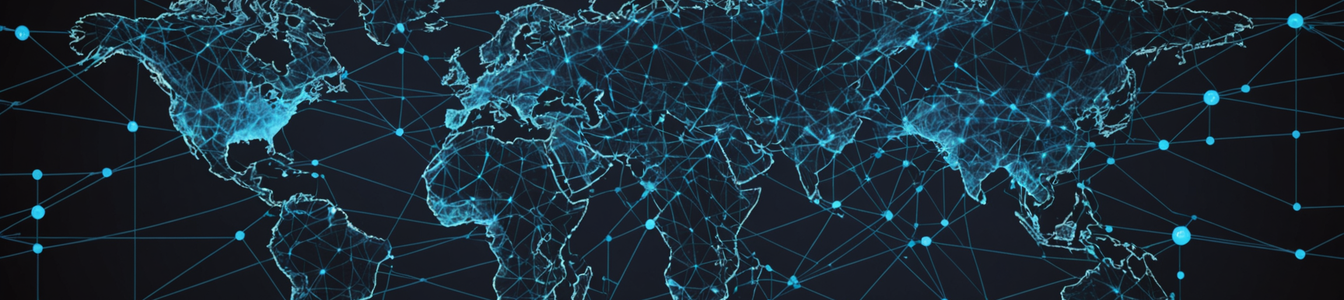
The geopolitical chessboard is being redrawn with lines of code and cryptographic hash rates. As tensions between Iran and the United States simmer, a less visible but critical front has emerged: a state-architected, blockchain-based financial infrastructure designed to render international sanctions obsolete. Recent analyses point to a sprawling Iranian cryptocurrency ecosystem worth an estimated $7.8 billion, comprising a massive, legally recognized Bitcoin mining network and a burgeoning domestic stablecoin economy. This digital fortress is not merely an economic contingency plan; it is a direct challenge to the global financial order and a complex new puzzle for cybersecurity and forensic intelligence professionals worldwide.
The Architecture of Evasion: Mining and Stablecoins
At the core of this system lies Iran's formalized Bitcoin mining industry. The government has strategically leveraged one of its few abundant resources—subsidized domestic energy, particularly natural gas—to power extensive mining operations. By legalizing and regulating these activities, Iran has transformed cryptocurrency mining from a niche, clandestine operation into a pillar of national economic strategy. This provides a dual benefit: it monetizes energy resources that are difficult to export under sanctions and generates a stream of digital assets that exist outside the controlled Swift banking network.
Complementing the mining apparatus is the deliberate cultivation of a domestic stablecoin economy. While details on specific Iranian-issued stablecoins are guarded, the model likely involves digital tokens pegged to the Iranian rial or a basket of local assets. These stablecoins aim to facilitate domestic and cross-border trade without touching the U.S. dollar or other sanctioned currencies. They create a closed-loop financial system where value can be moved globally via blockchain rails but is nominally insulated from direct foreign interference. For cybersecurity analysts, this represents a shift from tracking illicit transactions in mainstream cryptocurrencies like Bitcoin to deciphering proprietary, state-sponsored token ecosystems with potentially obscured ledgers and validation mechanisms.
Cybersecurity and Forensic Implications: A New Battlefield
The rise of this sanctions shadow economy catapults blockchain forensics from a commercial compliance tool to a component of national security. Traditional sanctions enforcement relies on monitoring choke points in the banking system. Iran's crypto network disperses financial flows across a decentralized, pseudonymous, and global infrastructure.
Key challenges for the cybersecurity and intelligence community include:
- Attribution Complexity: Distinguishing between state-controlled transactions, proxy operations (e.g., using foreign shell companies or friendly third nations), and legitimate private Iranian economic activity is exceptionally difficult. Advanced chain analysis must now incorporate geopolitical intelligence to map digital wallets to state entities.
- Obfuscation at Scale: A state actor has the resources to employ sophisticated mixing techniques, chain-hopping across multiple cryptocurrencies, and utilizing privacy coins at an industrial scale. This raises the technical bar for forensic tracking.
- Infrastructure Hardening: Iran's mining farms and financial nodes are likely considered critical national infrastructure, implying they are protected by state-level cybersecurity defenses. This makes external network intelligence gathering and disruption campaigns far more complex than targeting criminal botnets.
- The Stablecoin Conundrum: Investigating proprietary stablecoins is particularly thorny. If they operate on private or permissioned blockchains, visibility is limited to what the issuing state permits. Forensic firms must reverse-engineer transaction patterns and smart contracts with minimal transparency.
Geopolitical Impact and Systemic Risk
The viability of Iran's $7.8 billion crypto ecosystem has implications far beyond its borders. It serves as a blueprint for other sanctioned states like North Korea, Russia, and Venezuela, demonstrating a viable path to economic resilience. This could lead to a proliferation of similar parallel systems, fragmenting the global financial landscape and creating a "splinternet" for money.
Furthermore, the ecosystem directly ties cryptocurrency markets to geopolitical stability and traditional commodity markets. Escalation in the Middle East threatens oil supplies, potentially spiking energy prices and inflation. This macroeconomic shock would ripple through risk assets, including cryptocurrencies. However, Iran's ability to use crypto to export oil or access foreign exchange could paradoxically increase demand for digital assets as a sanctions-proof tool, creating volatile and counterintuitive market dynamics. For financial institutions and cybersecurity teams monitoring for illicit finance, this means the indicators of risk are now intertwined with real-time geopolitical events and commodity futures.
The Road Ahead for Security Professionals
Countering this threat requires a multi-disciplinary approach. Regulatory pressure on global cryptocurrency exchanges to enforce stringent Know-Your-Customer (KYC) protocols remains essential to prevent the off-ramping of digital assets into the traditional economy. However, the technical arms race is paramount.
Investment in next-generation blockchain analytics capable of piercing layered obfuscation techniques is critical. Public-private partnerships between intelligence agencies and leading blockchain forensic firms must deepen. Finally, the cybersecurity community must prepare for an era of increased state-versus-state conflict in cyberspace, where financial infrastructure is a primary target. Defending against potential retaliatory attacks on Western financial networks or cryptocurrency exchanges will be as important as investigating the shadow economy itself.
Iran's digital sanctions-evasion network is more than an economic story; it is a seminal case study in how blockchain technology is being weaponized for national survival. It underscores that in the 21st century, financial sovereignty and geopolitical power are increasingly defended not just with diplomats and soldiers, but with miners, algorithms, and cryptographic keys. For cybersecurity professionals, the mission is clear: develop the tools and intelligence to illuminate this shadow economy before it becomes the new normal.
Comentarios 0
Comentando como:
¡Únete a la conversación!
Sé el primero en compartir tu opinión sobre este artículo.
¡Inicia la conversación!
Sé el primero en comentar este artículo.