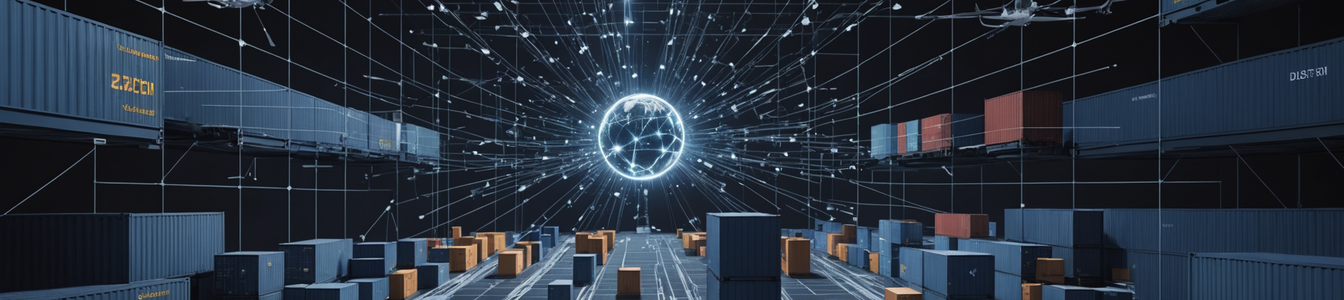
Cyber-Physical Shockwaves: How a Geopolitical Cyber Attack in the Middle East is Rippling Through Global Supply Chains and Markets
The theoretical model of cyber-physical convergence—where a digital breach causes tangible, real-world disruption—has found a stark and costly real-world validation. The escalating conflict involving Iran has moved beyond traditional warfare and espionage, triggering a cascading series of events that began with suspected cyber operations against critical energy infrastructure and is now reverberating through global stock markets and corporate boardrooms, with India's economy serving as a primary case study.
The Trigger: Critical Infrastructure in the Crosshairs
While official attribution remains cautious, security analysts point to a likely cyber-physical attack targeting Liquefied Natural Gas (LNG) facilities in Qatar, a critical global energy hub. Such an attack would typically aim at Operational Technology (OT) systems—the industrial control systems (ICS) and supervisory control and data acquisition (SCADA) networks that manage physical processes like cooling, compression, and loading. A successful compromise can halt operations not by destroying hardware, but by forcing safety shutdowns or manipulating processes to create dangerous conditions. This incident underscores a persistent vulnerability: the increasing connectivity of once-air-gapped OT environments to corporate IT networks and the internet, expanding the attack surface for state-sponsored actors.
The Immediate Cascade: Operational Shutdowns and Supply Pinch
The disruption at the source created an immediate supply shock. Indian firms, heavily reliant on Qatari LNG imports to fuel their industrial operations, were among the first to feel the impact. Major corporations have been forced to curtail natural gas supplies to their manufacturing and production units. This is not a minor logistical delay; it represents a direct, physical constraint on economic output caused by a digital security failure hundreds of miles away. Companies like Larsen & Toubro (L&T), Tata Steel, and various entities under the Adani umbrella, including Adani Ports, are now managing this sudden scarcity, affecting timelines, costs, and contractual obligations.
The Financial Amplifier: Market Volatility and Margin Pressure
The cyber-physical shockwave rapidly transmitted to financial markets. The threat to regional energy stability sent Brent crude oil prices soaring above $82 per barrel. This commodity price spike acted as a financial amplifier of the initial operational disruption. Publicly traded Indian Oil Marketing Companies (OMCs)—Indian Oil Corporation (IOC), Hindustan Petroleum (HPCL), and Bharat Petroleum (BPCL)—saw their stock prices crack by up to 5% in a single trading session. The reason is a fundamental squeeze on their business model: rising crude input costs cannot be instantly passed to consumers due to regulated pricing mechanisms, directly compressing their refining margins and threatening quarterly earnings.
The list of impacted stocks extends beyond energy. Petronet LNG, a key importer, JSW Infrastructure, and even airlines like IndiGo (facing higher fuel costs) found themselves in the spotlight of market analysts. This broad-based impact illustrates how a targeted cyber attack on a specific sector's OT can generate cross-sectoral financial contagion.
The Cybersecurity Imperative: From IT Silos to Systemic Resilience
For the cybersecurity community, this event is a clarion call with multiple dimensions:
- OT Security is Now Geopolitical Risk Management: Protecting ICS/SCADA is no longer just about preventing local operational downtime. It's a critical component of national and economic security. Security teams must work with risk management to map OT dependencies against global geopolitical flashpoints.
- Supply Chain Cyber Risk Takes on a New Meaning: Third-party risk management must evolve beyond auditing a vendor's IT policies. It now requires understanding the cyber-physical resilience of critical suppliers' operational hubs and their geographic exposure to conflict zones.
- The Financial-Cyber Nexus: CISOs and security leaders must learn to articulate risk in the language of the CFO and the board—earnings impact, margin compression, and stock volatility. This event provides a concrete example linking control system failures to the P&L statement.
- Intelligence-Driven Defense: Organizations dependent on global logistics and energy must invest in threat intelligence that fuses geopolitical analysis with cyber threat actor tactics, techniques, and procedures (TTPs) related to OT.
Conclusion: The New Normal of Interconnected Fragility
The disruption stemming from the Iran conflict is not an anomaly; it is a prototype for future systemic shocks. It reveals the interconnected fragility of modern just-in-time global systems, where a cyber attack in one nation's critical infrastructure can force production cuts in another and wipe billions off market capitalizations in a third. The lesson is unequivocal: cybersecurity strategy must expand its scope. Building resilience requires an integrated view that encompasses information technology, operational technology, supply chain logistics, and geopolitical intelligence. The era of defending only the digital perimeter is over; we must now defend the physical continuity of the global economy.
Comentarios 0
Comentando como:
¡Únete a la conversación!
Sé el primero en compartir tu opinión sobre este artículo.
¡Inicia la conversación!
Sé el primero en comentar este artículo.