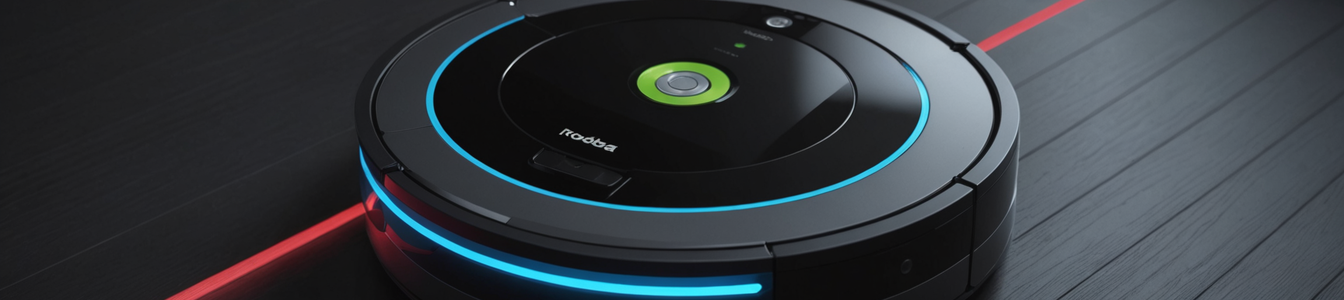
The recent Chapter 11 bankruptcy filing of iRobot, the pioneering manufacturer of Roomba robotic vacuums, and its acquisition by Chinese manufacturing partner Picea, is not merely a business story. For cybersecurity and IT risk professionals, it represents a concrete blueprint of a looming threat: the fragile foundation of the consumer Internet of Things (IoT) ecosystem. This event forces a critical examination of what happens to the security posture of millions of connected devices when their original vendor collapses, and control shifts to an entity with potentially divergent priorities, regulatory environments, and security commitments.
The immediate security implications are multifaceted. First and foremost is the question of firmware and software support. iRobot devices, like most consumer IoT products, rely on regular updates to patch vulnerabilities, maintain compatibility with cloud services, and add features. A bankruptcy and acquisition process creates uncertainty around the continuity of these updates. Will Picea maintain the same development and security teams? Will it continue to invest in the legacy iRobot codebase, or will it prioritize integrating devices into its own, potentially less-scrutinized, ecosystem? For security teams in enterprises that have allowed these devices onto corporate networks (e.g., in smart offices), this creates an unquantifiable risk. A device that was once considered managed may suddenly become an unpatched, end-of-life asset with known vulnerabilities.
Second, data handling and privacy policies are now in flux. Roombas and similar smart home gadgets, as highlighted by the market's push for time-saving automation, collect vast amounts of sensitive environmental data—home layouts, cleaning schedules, and even audio in some models. The legal and regulatory framework governing this data shifts with the change in corporate ownership. The acquisition by a Chinese firm, Picea, introduces complex questions about data sovereignty and compliance with regulations like GDPR or CCPA. Where is the data processed and stored post-acquisition? Under which jurisdiction's data protection laws does it now fall? Organizations must reassess the data flow of any iRobot device within their environment.
Third, the supply chain for physical components and secure manufacturing processes is disrupted. A key tenet of hardware security is trust in the supply chain. The transfer of design files, proprietary code, and manufacturing specifications to a new entity in a different geopolitical region opens potential vectors for the introduction of malicious hardware or firmware at the source. While not an immediate software update issue, this long-term risk could affect future device models or even the integrity of replacement parts for existing units.
Beyond iRobot, this incident illuminates a systemic vulnerability in the consumer IoT market. The sector is characterized by intense competition, rapid innovation cycles, and often razor-thin margins, as seen in the constant promotional battles for smart home gadgets. Security is frequently a cost center, not a revenue driver, making it a prime candidate for cuts during financial distress or ownership transitions. iRobot's fate demonstrates that even established, market-defining brands are not immune. This creates a landscape littered with 'orphaned' devices—connected, intelligent, but no longer supported by their creators.
For cybersecurity professionals, the iRobot blueprint mandates a proactive shift in vendor risk management for IoT. The questions must evolve from 'Is this device secure today?' to 'What is the vendor's financial stability and long-term business model?' and 'What is the contingency plan if this vendor ceases to exist?' Technical controls like network segmentation (placing all IoT devices on isolated VLANs) and robust egress filtering become even more critical as a last line of defense against compromised or abandoned devices. Procurement policies must now include clauses about escrow for source code, defined end-of-support transition plans, and clear data handling commitments in the event of merger or acquisition.
iRobot's journey from industry pioneer to Chapter 11 asset is a cautionary tale. It underscores that in the consumer IoT realm, cybersecurity is inextricably linked to corporate viability. The security of a smart device is only as strong as the company behind it, and as the market continues to consolidate and shake out, professionals must prepare for more devices to follow the Roomba's path—leaving a trail of connected, uncertain, and potentially vulnerable hardware in their wake. The future of a secure smart home depends not just on encryption protocols, but on sustainable business models and resilient supply chains.
Comentarios 0
Comentando como:
¡Únete a la conversación!
Sé el primero en compartir tu opinión sobre este artículo.
¡Inicia la conversación!
Sé el primero en comentar este artículo.