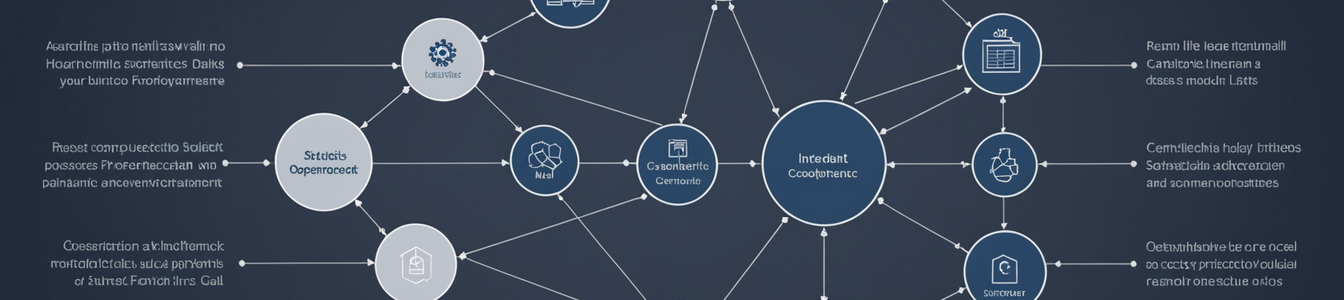
European cybersecurity authorities have uncovered a sophisticated cross-border phishing operation that leverages Spanish banking infrastructure to target Italian medical portal users, revealing new levels of international criminal coordination in financial cybercrime.
The Operation Uncovered
Security investigators tracking financial cybercrime patterns identified an unusual pattern of transactions linking Italian victims to Spanish bank accounts. The scheme specifically targeted users of Italian medical portals through carefully crafted phishing campaigns that mimicked legitimate healthcare service communications. Victims received emails and SMS messages directing them to fake login pages designed to harvest their credentials and personal information.
Once credentials were compromised, the criminal group accessed victims' accounts and initiated unauthorized transactions routed through intermediary Spanish bank accounts. This cross-border money movement created additional layers of complexity for investigators, as the illicit funds crossed multiple jurisdictional boundaries before reaching final destinations.
Technical Analysis
The phishing infrastructure employed in this operation demonstrated significant technical sophistication. Attackers used domain names closely resembling legitimate Italian medical service providers, with subtle character substitutions that could easily escape casual inspection. The fake login portals featured SSL certificates and professional design elements that closely mirrored authentic sites, increasing their credibility among targeted users.
Security analysts noted the operation's use of geolocation-based targeting, with Italian IP addresses receiving the most convincing versions of the phishing pages while other regions encountered more generic content. This geographical precision suggests the attackers conducted substantial reconnaissance to understand their target demographic.
International Coordination Challenges
The cross-border nature of this operation presents significant challenges for law enforcement and cybersecurity professionals. With criminal elements operating across Italy and Spain, and banking infrastructure potentially involving additional jurisdictions, coordinated investigation requires complex international legal cooperation.
Financial institutions face particular difficulties in detecting and preventing such schemes, as individual transactions may appear legitimate when examined in isolation. The use of Spanish accounts to process funds from Italian victims creates jurisdictional ambiguities that criminals exploit to delay detection and response.
Broader Implications for Cybersecurity
This case exemplifies the evolving sophistication of cross-border financial cybercrime. Criminal organizations are increasingly leveraging international infrastructure to complicate investigation and prosecution. The Italian-Spanish connection revealed in this operation suggests specialized criminal networks with specific expertise in exploiting European banking systems.
Cybersecurity professionals should note the operation's targeting of medical portal users, indicating criminals' awareness of the sensitive nature of healthcare services and the potential for reduced vigilance among users accessing important medical information.
Protective Measures and Recommendations
Financial institutions and cybersecurity teams should implement enhanced monitoring for cross-border transaction patterns that match this modus operandi. Multi-factor authentication remains critical for protecting sensitive accounts, particularly for services handling medical or financial information.
Organizations operating in the healthcare sector should consider implementing additional security awareness training focused on identifying sophisticated phishing attempts. Regular security assessments of customer-facing portals can help identify vulnerabilities before criminals exploit them.
International information sharing between financial intelligence units and cybersecurity agencies appears crucial for disrupting similar operations in the future. The success in identifying this scheme resulted from coordinated analysis across multiple jurisdictions.
Industry Response
European banking associations and cybersecurity organizations have initiated information sharing protocols to address the threat landscape revealed by this investigation. Financial institutions are enhancing their fraud detection systems to identify patterns consistent with cross-border phishing operations.
Law enforcement agencies across affected countries are coordinating their response, though the complexity of international legal frameworks presents ongoing challenges. The case has prompted discussions about streamlining cross-border cybercrime investigation procedures within the European Union.
Future Outlook
As criminal organizations continue to refine their cross-border operations, the cybersecurity community must develop equally sophisticated international cooperation mechanisms. This case demonstrates that traditional jurisdictional boundaries provide insufficient protection against determined cybercriminals operating across multiple countries.
The success in uncovering this operation provides valuable insights for developing more effective detection and prevention strategies. However, the evolving nature of the threat requires continuous adaptation and enhanced collaboration between private sector cybersecurity teams and international law enforcement agencies.
Comentarios 0
Comentando como:
¡Únete a la conversación!
Sé el primero en compartir tu opinión sobre este artículo.
¡Inicia la conversación!
Sé el primero en comentar este artículo.