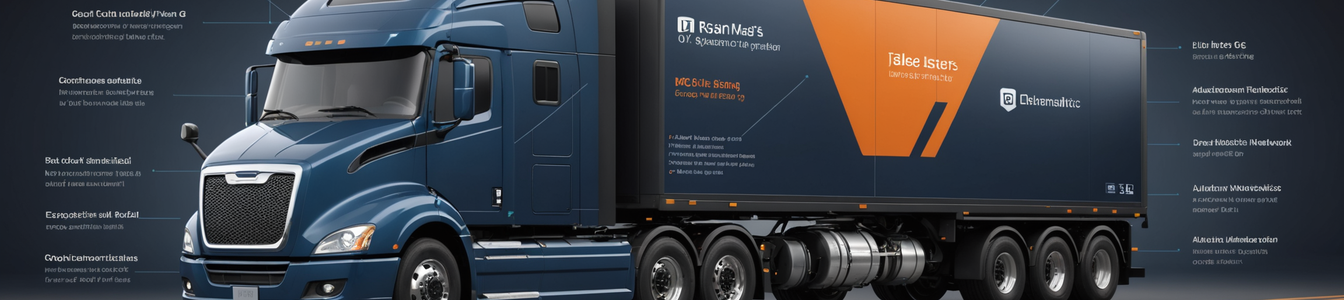
The commercial agreement between autonomous trucking pioneer Kodiak AI and Verizon Business represents more than just a technological advancement—it fundamentally redefines the security perimeter of critical transportation infrastructure. By integrating Verizon's 5G telematics and IoT management platform into Kodiak's driverless trucks, this partnership creates what security analysts are calling "the most complex mobile attack surface in industrial history."
The Convergence of Three Critical Systems
At its core, this integration merges three traditionally separate security domains: autonomous vehicle AI systems, industrial IoT networks, and public telecommunications infrastructure. Each Kodiak truck becomes a node in a massive distributed system, processing real-time sensor data from lidar, radar, and cameras while simultaneously transmitting operational telemetry, navigation updates, and diagnostic information to cloud-based management platforms via Verizon's 5G network.
From a cybersecurity perspective, this creates multiple attack vectors that didn't previously exist in traditional trucking. The AI decision-making system—responsible for interpreting sensor data and making split-second navigation decisions—now depends on continuous cloud connectivity for updates, mapping data, and remote monitoring. Any compromise in this communication channel could lead to manipulated perception, where the vehicle's AI receives corrupted environmental data or malicious navigation instructions.
The Data Integrity Challenge
Each autonomous truck generates what security researchers estimate to be 5-10 terabytes of data daily—equivalent to streaming over 2,000 hours of HD video. This data includes not just operational telemetry but highly detailed environmental mapping, potentially capturing sensitive information about infrastructure, traffic patterns, and even incidental surveillance data from public roads.
The integrity of this data stream becomes paramount. A sophisticated attacker could potentially inject false sensor readings, spoof GPS coordinates, or manipulate the vehicle's perception of obstacles. Unlike traditional cybersecurity incidents that affect data confidentiality, attacks on autonomous systems threaten data integrity in ways that have immediate physical consequences.
Network Architecture Vulnerabilities
Verizon's role as the connectivity provider introduces both solutions and new vulnerabilities. While 5G networks offer improved bandwidth and lower latency compared to previous generations, they also expand the attack surface through network slicing, edge computing implementations, and the increased number of interconnected endpoints.
The IoT management platform itself becomes a high-value target. Compromising this centralized system could potentially affect entire fleets simultaneously, creating opportunities for large-scale ransomware attacks or coordinated disruption of supply chains. Security teams must now consider threats across the entire stack: from physical tampering with vehicle sensors to attacks on the cellular network infrastructure to cloud-based command and control systems.
Regulatory and Compliance Implications
This partnership operates in a regulatory gray area where transportation safety regulations haven't fully caught up with cybersecurity requirements for autonomous systems. Current frameworks like the UNECE WP.29 regulations for vehicle cybersecurity don't adequately address the unique challenges of continuously connected, AI-driven commercial vehicles operating across state and national borders.
Security professionals must navigate conflicting requirements between data privacy regulations (like GDPR or CCPA), telecommunications compliance, and transportation safety standards. The cross-border nature of trucking operations adds another layer of complexity, as data transmission may cross multiple jurisdictional boundaries with differing security requirements.
Mitigation Strategies and Security Priorities
Organizations implementing similar autonomous IoT systems should prioritize several key security measures:
- Zero-Trust Architecture Implementation: Treat every component—from individual sensors to cloud services—as potentially compromised, requiring continuous authentication and authorization.
- Quantum-Resistant Cryptography Planning: Given the long operational lifespan of commercial trucks (10-15 years), current encryption standards may become vulnerable during the vehicle's service life.
- Behavioral Anomaly Detection: Deploy AI-based security systems that can identify deviations from normal operational patterns, potentially detecting sophisticated attacks that bypass traditional signature-based defenses.
- Physical-Digital Security Integration: Develop security protocols that bridge the gap between physical access controls and digital security measures, recognizing that physical tampering can enable digital compromise.
- Supply Chain Security Verification: Establish rigorous security requirements for all components in the technology stack, from semiconductor manufacturers to software providers.
The Future of Transportation Security
As autonomous trucking scales from pilot programs to mainstream adoption, the security implications will only grow more complex. The Kodiak-Verizon partnership serves as a case study in how technological convergence creates emergent security challenges that exceed the sum of their individual components.
Security teams must adopt a holistic approach that considers not just the technical vulnerabilities but the operational, regulatory, and human factors involved in securing these systems. The stakes extend beyond data breaches to include public safety, economic stability, and national security concerns as autonomous vehicles become integral to critical supply chains.
The coming years will likely see increased regulatory attention, insurance industry involvement, and standardization efforts around autonomous vehicle cybersecurity. Organizations that proactively address these challenges today will be better positioned to manage the risks of tomorrow's autonomous transportation networks.
Comentarios 0
Comentando como:
¡Únete a la conversación!
Sé el primero en compartir tu opinión sobre este artículo.
¡Inicia la conversación!
Sé el primero en comentar este artículo.