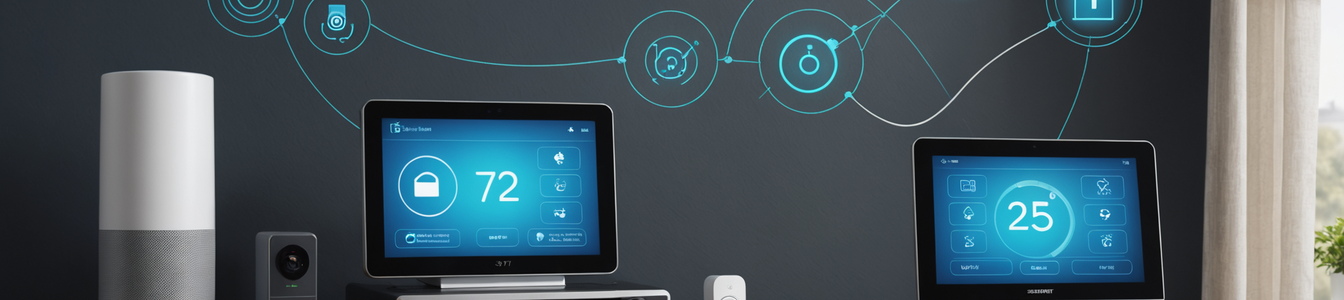
The cybersecurity landscape is facing a new challenge as Apple's Liquid Glass design language from iOS 26 spreads rapidly across competing platforms, creating unprecedented standardization in mobile interfaces while introducing complex security implications that transcend operating system boundaries.
Industry analysts are observing what they term the 'Liquid Glass Revolution' – a phenomenon where major applications and Android-based manufacturers are quickly adopting Apple's controversial aesthetic. WhatsApp has begun testing Liquid Glass interfaces for iOS users, while Chinese manufacturer Vivo has incorporated similar design elements into its upcoming OriginOS 6 update.
This cross-platform design convergence presents both opportunities and significant security risks. The fluid, translucent interface elements characteristic of Liquid Glass create new attack surfaces that security teams must now assess across multiple platforms simultaneously.
Security Implications of Design Standardization
The rapid adoption of Liquid Glass design principles raises critical questions about authentication security and user interface consistency. As applications and operating systems begin to look increasingly similar across platforms, users may develop false confidence in interface elements that appear familiar but may not offer the same security guarantees.
Security researchers note that the translucent, fluid nature of Liquid Glass interfaces could potentially obscure security indicators or make it more difficult for users to distinguish between legitimate system interfaces and sophisticated phishing attempts. The design's emphasis on visual continuity and seamless transitions might inadvertently hide security warnings or make them less prominent.
Cross-Platform Vulnerability Management
With WhatsApp implementing Liquid Glass design for iOS and Vivo bringing similar aesthetics to Android-based OriginOS 6, security teams now face the challenge of managing vulnerabilities that may manifest differently across platforms while appearing identical to end-users.
The situation creates a unique scenario where security patches and updates must consider not only platform-specific vulnerabilities but also design-language-specific risks that could affect multiple operating systems simultaneously. This requires coordination between traditionally competing ecosystems that have historically maintained distinct security models.
Authentication and User Experience Tensions
The Liquid Glass trend highlights the growing tension between seamless user experiences and robust security practices. As interfaces become more visually consistent across platforms, security professionals must develop new methods to ensure that authentication mechanisms and security indicators remain clearly distinguishable despite the homogenizing design trends.
Security architects are now exploring ways to maintain visual design consistency while preserving platform-specific security features. This includes developing new frameworks for cross-platform security assessment that account for design language implementation differences while ensuring consistent security postures.
Future Outlook and Recommendations
As the Liquid Glass design language continues to spread, organizations should implement several key security measures:
- Develop cross-platform design security assessment frameworks that evaluate how design elements impact security across different operating systems
- Enhance user education about interface-based security indicators that remain consistent despite design changes
- Establish collaboration channels between platform security teams to address design-related vulnerabilities that affect multiple ecosystems
- Implement enhanced monitoring for design-based social engineering attacks that leverage the familiarity of Liquid Glass interfaces
The cybersecurity community must adapt to this new reality where design languages transcend platform boundaries, requiring innovative approaches to vulnerability management and user security education in an increasingly visually standardized digital landscape.
Comentarios 0
Comentando como:
¡Únete a la conversación!
Sé el primero en compartir tu opinión sobre este artículo.
¡Inicia la conversación!
Sé el primero en comentar este artículo.