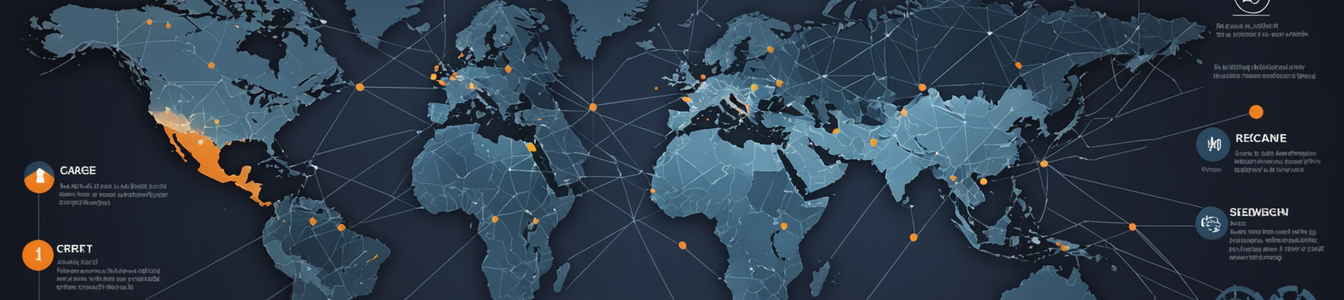
A concerning global trend is emerging where localized policy experiments, designed to address specific regional challenges, are inadvertently creating significant cybersecurity vulnerabilities. These 'policy-born' attack surfaces represent a new frontier in digital risk management, as security teams must now account for inconsistencies between local implementations and national security standards. From transportation regulations to housing policies and law enforcement procedures, well-intentioned local initiatives are introducing systemic weaknesses that threat actors are beginning to exploit.
The Florida E-Bike Dilemma: Data Collection Without Security
In Florida's Martin County, school districts grappling with e-bike policies have created an unexpected cybersecurity challenge. As districts implement registration systems for student e-bikes—often through hastily developed digital forms and local databases—they're collecting personally identifiable information (PII) including student names, addresses, bike serial numbers, and sometimes even GPS tracking data. These systems typically operate outside established educational technology security frameworks, lacking proper encryption, access controls, and audit trails. The result is a patchwork of vulnerable databases that could be compromised to facilitate physical threats against students or enable identity theft schemes targeting minors. Security researchers note these local systems rarely undergo penetration testing or comply with federal student privacy regulations like FERPA, creating regulatory as well as technical vulnerabilities.
Singapore's Housing Policy Review: Citizen Data in Transition
Singapore's review of its Executive Condominium (EC) policy, prompted by affordability concerns, demonstrates how policy transitions create data exposure risks. As the government re-evaluates eligibility criteria, income verification processes, and subsidy calculations, sensitive citizen financial data flows through temporary digital systems and between agencies with inconsistent security postures. The policy review necessitates changes to multiple government databases and application portals, creating windows of vulnerability during migration periods. Cybersecurity analysts observe that such policy-driven system modifications often prioritize functionality over security, with authentication mechanisms and API security receiving inadequate attention during transitional phases. The concentration of financial and personal data in these housing systems makes them particularly attractive targets for advanced persistent threats (APTs) seeking Singaporean resident information.
Texas Law Enforcement Policy Reversals: Procedural Vulnerabilities
The situation in Texas, where a district attorney's policy requiring grand jury investigations for every officer-involved shooting is being reconsidered under public pressure, reveals how policy instability creates enforcement gaps that can be exploited. Digital evidence management systems, use-of-force reporting platforms, and body camera footage databases are all affected when procedural requirements change abruptly. Inconsistent data retention policies, varying encryption standards across jurisdictions, and fragmented access logs create opportunities for evidence tampering or unauthorized data deletion. The policy uncertainty has led to multiple parallel systems operating with different security protocols—a situation that sophisticated attackers could manipulate to compromise evidentiary chains or create plausible deniability for malicious actions.
Delhi's Extended Excise Policy: Temporary Systems Become Permanent Risks
Delhi's extension of its excise policy until March 2027 exemplifies how 'temporary' digital systems become permanent vulnerabilities. Originally designed for short-term implementation, the policy's digital infrastructure—including vendor verification systems, tax calculation platforms, and compliance monitoring tools—was deployed with minimal security considerations. The extension means these systems will now operate for years beyond their intended lifespan, accumulating technical debt and unpatched vulnerabilities. The excise policy's digital components interface with financial institutions, government databases, and commercial entities, creating an extensive attack surface that was never properly secured for long-term operation. Security audits of similar temporary-turned-permanent systems have revealed default credentials, unencrypted data transmissions, and inadequate logging as common issues.
Federal Use-of-Force Reporting Inconsistencies: Data Integrity Threats
Incidents of federal officers reportedly violating use-of-force policies highlight another dimension of policy-driven cybersecurity risks: data integrity. When policies are inconsistently applied or enforced, the digital systems designed to ensure accountability—incident reporting platforms, evidence tracking systems, compliance databases—become vulnerable to manipulation. Inconsistent data entry, selective reporting, and protocol deviations create opportunities for malicious actors to insert false data or alter existing records. These systems often lack the cryptographic integrity protections and immutable audit trails necessary to ensure data reliability when human compliance with policies is variable.
The Cybersecurity Implications: A New Threat Landscape
These disparate cases reveal a consistent pattern: local policy experiments create cybersecurity vulnerabilities through several mechanisms:
- Ad-hoc Digital Infrastructure: Policies often necessitate quick deployment of digital systems without proper security architecture review.
- Data Silos and Fragmentation: Local implementations create isolated data repositories with inconsistent security controls.
- Procedural Inconsistencies: Varying enforcement and reporting requirements enable gaps in security protocols.
- Temporary Systems with Permanent Consequences: Short-term policy solutions become long-term security liabilities.
- Interface Proliferation: Each new policy creates additional digital interfaces between systems, expanding the attack surface.
Recommendations for Security Professionals
Organizations must adapt their security postures to address these policy-born vulnerabilities:
- Policy Impact Assessments: Include cybersecurity evaluations in all policy development processes, especially at local levels.
- Unified Security Standards: Advocate for consistent security requirements across all government digital systems, regardless of policy origin.
- Third-Party Risk Management: Scrutinize vendors providing digital solutions for policy implementation.
- Data Lifecycle Security: Ensure proper security controls throughout data collection, processing, storage, and deletion phases.
- Incident Response Adaptability: Develop playbooks for policy-change scenarios that might alter digital infrastructure or data flows.
As governments worldwide continue to experiment with localized solutions to complex problems, the cybersecurity community must engage proactively with policymakers. The alternative—reacting to breaches and exploits after policies have created vulnerable digital ecosystems—represents an unsustainable approach to public sector security in an increasingly digital governance landscape.
Comentarios 0
Comentando como:
¡Únete a la conversación!
Sé el primero en compartir tu opinión sobre este artículo.
¡Inicia la conversación!
Sé el primero en comentar este artículo.