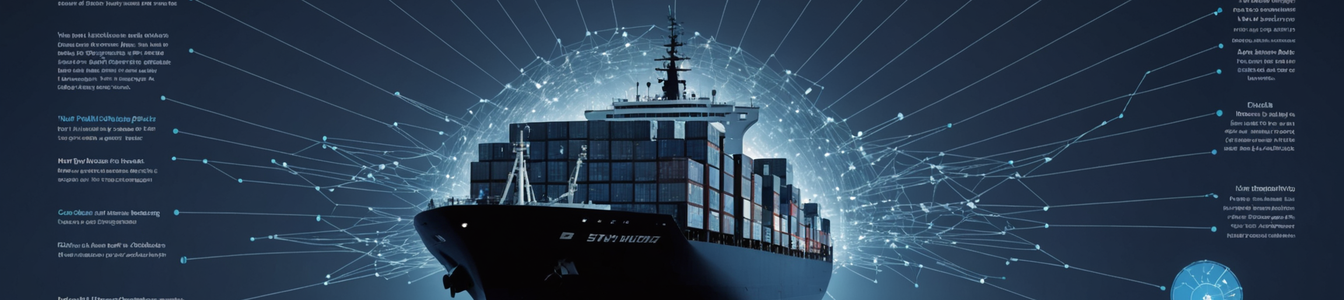
The recent attack on two Indian-flagged commercial vessels in the Strait of Hormuz is more than a geopolitical headline; it is a flashing red indicator for global Security Operations Centers (SOCs). This incident, occurring within one of the world's most critical maritime chokepoints, exemplifies how physical-world volatility directly engineers new and dangerous cybersecurity blind spots. As nations like Pakistan deploy 10,000 police in a state of high alert amid US-Iran diplomatic maneuvers, and financial markets reel with oil prices dropping over 10%, the operational environment for cybersecurity teams is being fundamentally reshaped. The convergence of physical disruption and digital threat creates a perfect storm, exposing vulnerabilities in supply chain visibility, critical infrastructure defense, and threat intelligence correlation that most SOCs are ill-prepared to handle.
The Maritime Chokepoint: A Physical Disruption with Digital Fallout
The Strait of Hormuz is not just a narrow waterway; it is a central nervous system node for global energy and trade. An attack here triggers immediate logistical chaos. For SOCs, this chaos manifests as a breakdown in the digital telemetry they rely on. Shipping companies, port operators, and logistics firms under duress often experience communication breakdowns, delayed data feeds from IoT sensors on containers and vessels, and ad-hoc changes to operational technology (OT) networks to maintain basic functionality. These changes, made under pressure, are rarely documented or communicated to cybersecurity teams, creating shadow IT and OT configurations that become invisible entry points for threat actors. The Indian ship attacks serve as a case study: the immediate focus is on crew safety and salvage, but simultaneously, the digital integrity of those vessels' systems and their connecting port infrastructure is potentially compromised.
Cascading Blind Spots for the Modern SOC
- Supply Chain Visibility Blackout: Modern SOCs use Software Bill of Materials (SBOM) and vendor risk platforms to monitor their digital supply chain. A physical chokepoint crisis shreds this model. When a key component shipment is delayed or rerouted due to maritime insecurity, alternative suppliers are engaged at speed. These emergency suppliers may not have undergone proper security vetting, their software may be unpatched, and their access to your network may be provisioned hastily, bypassing normal security protocols. The SOC's visibility into this new, critical link is near zero.
- Phishing & Social Engineering on Steroids: Geopolitical crises are fuel for advanced persistent manipulators (APMs). Phishing campaigns leveraging the Hormuz situation will target employees in logistics, finance, and executive roles with highly credible lures about shipment delays, insurance claims, or urgent changes to banking details for port fees. These campaigns will be multilingual, culturally nuanced, and timed to coincide with real-world news cycles, dramatically increasing their success rate against even trained staff.
- OT/ICS Targeting Under Cover of Chaos: Port cranes, pipeline control systems, and refinery operations are prime targets. During a period of physical disruption and heightened security focus on physical threats, cyber actors—whether state-sponsored or criminal—have greater opportunity to infiltrate Industrial Control Systems (ICS). The noise of the crisis provides cover for their activities. Anomalies in network traffic may be wrongly attributed to emergency operational measures rather than a malicious intrusion.
- Intelligence Correlation Breakdown: A SOC's threat intelligence feeds light up during such an event. However, correlating tactical cyber threats (e.g., a new malware variant targeting shipping companies) with strategic geopolitical developments (e.g., Pakistan's security alert level) is a profound challenge. Most SIEMs and SOAR platforms are not configured to ingest and correlate data from global news feeds, maritime traffic APIs, and diplomatic cables with firewall logs and EDR alerts. This creates a critical gap in predictive threat modeling.
Strategic Recommendations for Cybersecurity Leaders
To close these blind spots, SOCs must evolve from a purely digital defense posture to an integrated physical-digital risk command center.
- Develop Chokepoint Threat Models: Identify which critical physical trade routes (Hormuz, Malacca, Suez, Panama) are most material to your organization's supply chain. Model the cascading cyber impacts of a disruption in each.
- Establish Crisis Communication Protocols with Physical Ops: Formalize lines of communication between the CISO's office and the heads of logistics, supply chain, and physical security. Ensure any emergency operational change that affects digital systems (new vendors, altered network routes, OT changes) is immediately flagged to the SOC.
- Enhance Geopolitical Intelligence Integration: Subscribe to specialized risk intelligence services that translate geopolitical events into actionable cyber indicators. Configure your SOAR playbooks to trigger enhanced monitoring for specific threat actor TTPs associated with the nations involved in a crisis.
- Run Tabletop Exercises with a Physical Twist: Scenario-plan for a combined physical cyber event. For example, simulate a ship attack combined with a ransomware attack on your primary port of entry's logistics provider. Test communication, decision-making, and incident response across both domains.
- Harden OT/ICS Now, Not During the Crisis: Assume your operational technology in critical infrastructure partners is vulnerable. Advocate for and invest in network segmentation, anomaly detection tailored for ICS protocols, and assured patching schedules before a crisis hits.
The volatility in the Strait of Hormuz is a stark preview of the new normal. For cybersecurity professionals, the lesson is clear: the firewall between the physical and digital worlds has been breached. The most significant threats now emerge from the nexus of both. Building resilience requires SOCs to expand their field of vision beyond the network perimeter, to monitor the world's chokepoints, and to understand that a missile or a mine in a distant strait can be the first step in a chain of events that leads directly to a catastrophic breach on their own network.
Comentarios 0
Comentando como:
¡Únete a la conversación!
Sé el primero en compartir tu opinión sobre este artículo.
¡Inicia la conversación!
Sé el primero en comentar este artículo.