A new breed of commercially available phishing kits is systematically dismantling one of cybersecurity's foundational defenses: Multi-Factor Authentication (MFA). Dubbed the "MFA kill switch," these Adversary-in-the-Middle (AitM) attack suites, exemplified by tools like Starkiller, are industrializing the bypass of authentication through sophisticated reverse proxy technology. This shift marks a dangerous democratization of high-level attack capabilities, moving them from the realm of advanced persistent threat (APT) groups into the hands of a broader range of cybercriminals.
The Anatomy of an AitM Attack
Traditional phishing attacks steal usernames and passwords, but they hit a wall when faced with MFA. The victim receives a one-time code or push notification that the attacker cannot access. AitM attacks, however, operate in real-time, acting as a malicious relay between the victim and the legitimate service.
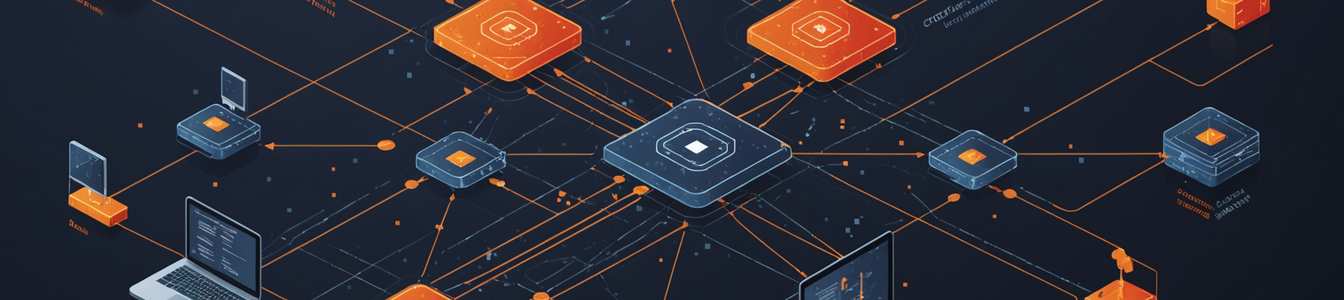
Here’s how it works: A victim clicks a phishing link, often crafted with the help of generative AI to be highly convincing and free of linguistic errors. Instead of landing on a static fake page, they are connected to a reverse proxy controlled by the attacker. This proxy fetches the real login page from the target service (like Microsoft 365, Google, or a bank) and presents it to the user. Every keystroke—username, password, and crucially, the MFA code—is intercepted by the proxy. The attacker's system instantly forwards these credentials to the real service, completing the login for the victim, who sees a successful (or deliberately error-laden) page. Meanwhile, the attacker captures a valid session cookie or token, granting them immediate access to the victim's account, often without triggering any further MFA prompts.
The Starkiller Suite and the Commercialization of Threat
Kits like Starkiller represent the professionalization of this threat. They are not one-off scripts but comprehensive, user-friendly platforms. These suites often feature administrative dashboards, automated infrastructure setup (using services like AWS or Azure), templates for dozens of popular services, and even analytics on victim interaction. This "phishing-as-a-service" model means that even attackers with minimal technical skill can launch sophisticated AitM campaigns by renting or purchasing the kit. The barrier to entry for executing attacks that were once the hallmark of nation-state actors has collapsed.
AI as a Force Multiplier
The threat is exponentially amplified by the integration of artificial intelligence. Generative AI models are being used to create flawless, personalized phishing emails and smishing messages at scale, dramatically increasing the lure's success rate. Furthermore, AI can be used to dynamically generate convincing fake landing pages or to manage and adapt the proxy interactions in real-time, making detection by both humans and automated systems more difficult. This synergy of AitM technology and AI automation creates a perfect storm for credential harvesting.
Impact and the Path to Resilience
The impact is critical. Organizations that have relied on MFA as a silver bullet are now vulnerable. The attack targets the authentication session itself, not just the password. This undermines the core premise of layered defense.
The cybersecurity community must adapt its strategy. While user awareness remains important, it is no longer sufficient against these technically convincing attacks. The focus must shift to implementing phishing-resistant MFA. This includes:
- FIDO2/WebAuthn Standards: Utilizing physical security keys (like YubiKeys) or platform authenticators that use public-key cryptography. The authentication happens locally on the device, and no shared secret is transmitted that a proxy can intercept.
- Certificate-Based Authentication: Leveraging digital certificates stored on managed devices.
- Number Matching in MFA Prompts: Moving beyond simple push notifications to require users to enter a number displayed on the login screen, which an AitM proxy cannot easily replicate in the reverse flow.
- Continuous Access Evaluation: Implementing systems that continuously assess risk during a session, not just at login, and can revoke access based on behavioral anomalies or suspicious location changes.
Conclusion
The emergence of commercial AitM phishing kits like Starkiller signifies a tectonic shift in the threat landscape. MFA bypass is no longer a rare exploit but an industrialized service. The convergence of accessible reverse-proxy kits and generative AI has created a scalable, efficient pipeline for compromising accounts. Defenders must acknowledge that traditional MFA methods are now part of a legacy attack surface and accelerate the adoption of truly phishing-resistant authentication frameworks. The era of relying on user vigilance alone is over; resilience must be baked into the identity infrastructure itself.
Comentarios 0
Comentando como:
¡Únete a la conversación!
Sé el primero en compartir tu opinión sobre este artículo.
¡Inicia la conversación!
Sé el primero en comentar este artículo.