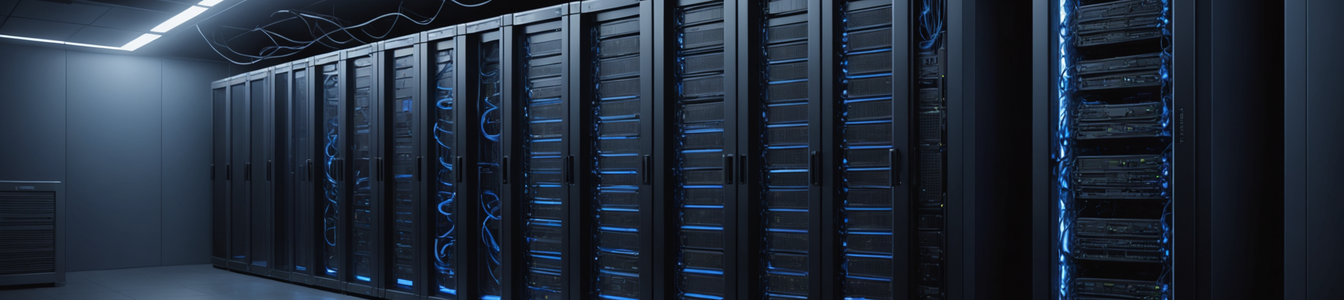
The race for technological sovereignty has entered a new phase with Microsoft's introduction of advanced 'Azure Local' capabilities, designed to run artificial intelligence and cloud computing systems in complete isolation from the internet. This 'dark cloud' infrastructure, specifically tailored for government, defense, and highly regulated industry clients, promises unprecedented control over data and systems but presents cybersecurity professionals with a paradoxical landscape of reduced exposure and increased complexity.
The Architecture of Isolation
Microsoft's solution essentially creates self-contained Azure environments that operate offline, delivering cloud-scale AI processing and data analytics without requiring persistent internet connectivity. This addresses one of the primary concerns of sovereign entities: preventing foreign surveillance, data exfiltration, and dependency on external network infrastructure that could be compromised or weaponized in geopolitical conflicts.
From a technical standpoint, these systems likely employ containerized or virtualized instances of Azure's AI services—including machine learning frameworks, cognitive services, and data processing tools—that are pre-loaded and updated via secure physical media or air-gapped networks. The challenge lies in maintaining security hygiene without access to cloud-based threat intelligence feeds, automated patching systems, and real-time behavioral analytics that define modern cybersecurity operations.
Cybersecurity Implications: A Double-Edged Sword
For security teams, sovereign AI clouds present contradictory advantages and risks. On one hand, air-gapped systems dramatically reduce the attack surface accessible from the global internet. Common vectors like phishing, credential theft leading to cloud account compromise, and attacks on public-facing APIs become irrelevant when systems have no external network interfaces.
However, this isolation creates significant operational challenges. Patch management becomes a logistical nightmare requiring secure physical transfer of updates, introducing delays that leave systems vulnerable to known exploits for extended periods. Threat intelligence becomes static rather than dynamic, as isolated systems cannot benefit from real-time updates about emerging attack patterns observed across Microsoft's global cloud infrastructure.
Furthermore, the human element becomes both more critical and more vulnerable. Insider threats pose greater dangers in isolated environments where external monitoring and anomaly detection capabilities may be limited. Security teams must develop entirely new skill sets for managing what amounts to 'cloud legacy systems'—modern cloud technologies operated with pre-cloud security methodologies.
The Sovereignty-Security Tradeoff
Microsoft's move reflects a broader industry recognition that sovereignty requirements often conflict with optimal security practices. While data residency laws and national security concerns drive demand for disconnected systems, cybersecurity best practices increasingly rely on connected, intelligence-driven defense mechanisms.
This creates a fundamental tension that cybersecurity architects must navigate. How do you maintain sovereign control while still benefiting from collective defense intelligence? How do you ensure systems remain secure when they cannot receive real-time updates about zero-day vulnerabilities or emerging threat actors?
Some organizations are exploring hybrid approaches—maintaining critical sovereign workloads offline while operating parallel connected systems for threat intelligence gathering and analysis. However, this approach introduces its own complexities regarding data synchronization and cross-contamination risks.
Broader Industry Context: AI's Disruptive Shadow
Interestingly, Microsoft's push into sovereign AI coincides with internal concerns about AI's broader disruptive potential. Reports indicate Microsoft leadership has expressed anxieties about AI systems potentially displacing entry-level programming roles—a concern that adds context to their sovereign AI strategy.
If AI automation threatens traditional technology employment pathways, sovereign AI capabilities take on additional strategic importance. Nations investing in these systems aren't just protecting data; they're potentially securing technological autonomy in an AI-driven future where software development itself may be transformed. This creates a compelling value proposition for governments: control over both their data and their technological destiny.
For cybersecurity professionals, this means sovereign AI systems will likely become critical national infrastructure, requiring protection standards comparable to power grids or financial systems. The stakes extend beyond data confidentiality to encompass national technological competitiveness and resilience.
Future Outlook and Strategic Considerations
As sovereign AI platforms mature, several trends will shape their cybersecurity evolution:
- Specialized Security Stacks: Expect emergence of security solutions specifically designed for air-gapped cloud environments, focusing on offline threat intelligence distribution and isolated analytics capabilities.
- New Certification Frameworks: Governments will develop specialized cybersecurity certification programs for sovereign cloud operators and auditors.
- Supply Chain Security Intensification: With offline systems, supply chain attacks during the physical update process become critical concerns, requiring enhanced verification protocols for media and hardware.
- Skills Development: Cybersecurity training programs will need to address the unique challenges of managing modern cloud technologies in disconnected environments.
Microsoft's Azure Local initiative represents more than just another product offering—it signals a fundamental shift in how nations conceptualize digital sovereignty. For the cybersecurity community, this means adapting to a world where the most sensitive systems may be both technologically advanced and deliberately disconnected, creating unique defensive challenges that blend ancient air-gap principles with cutting-edge AI capabilities.
The ultimate test will be whether these sovereign AI systems can maintain security postures comparable to their connected counterparts, or whether the price of sovereignty will be measured in reduced cybersecurity effectiveness. As nations increasingly view AI capabilities as strategic assets, cybersecurity professionals will find themselves at the center of this tension between control and protection.
Comentarios 0
Comentando como:
¡Únete a la conversación!
Sé el primero en compartir tu opinión sobre este artículo.
¡Inicia la conversación!
Sé el primero en comentar este artículo.