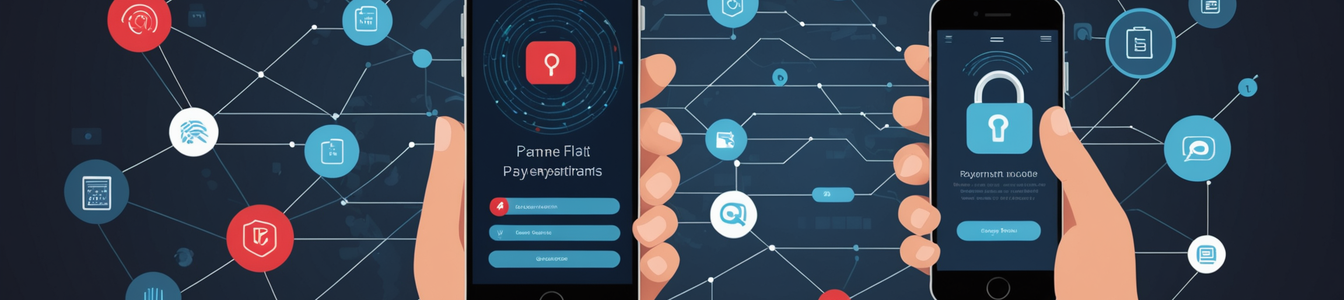
The digital payment revolution has reached a critical tipping point in Germany, with recent data confirming that cash is no longer the dominant payment method. This seismic shift in consumer behavior brings unprecedented cybersecurity challenges as adoption rates outpace security implementations across the payment ecosystem.
According to comprehensive market analysis, German consumers have decisively moved toward digital payment methods, with debit cards emerging as the clear preference over traditional cash transactions. This transition represents a fundamental change in a country historically known for its strong cash culture. The speed of this transformation has caught many security professionals by surprise, creating a dangerous gap between payment innovation and protection measures.
The cybersecurity implications are profound. As consumers embrace contactless payments, mobile banking apps, and digital wallets, they're exposing themselves to sophisticated attack vectors that many are unprepared to handle. Security researchers have identified several critical areas of concern:
Contactless payment systems, while convenient, introduce new vulnerabilities through RFID skimming and relay attacks. The very feature that makes tap-to-pay appealing—its wireless nature—also makes it susceptible to interception by malicious actors using relatively inexpensive equipment.
Mobile banking applications present another significant attack surface. Many consumers download banking apps without verifying their authenticity, falling victim to sophisticated phishing campaigns and fake applications. The rapid development cycles of these applications often prioritize features over security, leaving vulnerabilities unaddressed.
Point-of-sale infrastructure modernization has struggled to keep pace with evolving threats. Many merchants have implemented new payment technologies without adequate security training or infrastructure upgrades, creating weak links in the payment chain that attackers can exploit.
The human factor remains the most significant vulnerability. Consumers transitioning from cash to digital payments often lack the security awareness needed to protect themselves in this new environment. Social engineering attacks targeting payment information have increased dramatically, with criminals exploiting the trust relationships inherent in payment systems.
From a technical perspective, the security challenges span multiple layers of the payment ecosystem. At the hardware level, secure element implementations in payment cards and mobile devices vary significantly in their robustness. Software vulnerabilities in payment processing systems and mobile applications create additional attack vectors. Network security concerns around payment data transmission and cloud-based processing add further complexity.
The regulatory environment is also struggling to adapt. While frameworks like PSD2 in Europe provide some security requirements, the rapid evolution of payment technologies often outpaces regulatory updates. This creates compliance gaps and inconsistent security implementations across different providers.
Looking forward, the cybersecurity community must address several critical priorities. Enhanced authentication mechanisms, including biometric verification and behavioral analytics, need broader implementation. Improved consumer education about digital payment risks is essential. Stronger collaboration between financial institutions, technology providers, and security researchers will be crucial for identifying and mitigating emerging threats.
The German experience serves as a valuable case study for other markets undergoing similar digital payment transformations. The key lesson is clear: security cannot be an afterthought in payment innovation. As digital payments continue to replace cash globally, the cybersecurity community must lead the charge in ensuring these transitions occur safely and securely.
Comentarios 0
Comentando como:
¡Únete a la conversación!
Sé el primero en compartir tu opinión sobre este artículo.
¡Inicia la conversación!
Sé el primero en comentar este artículo.