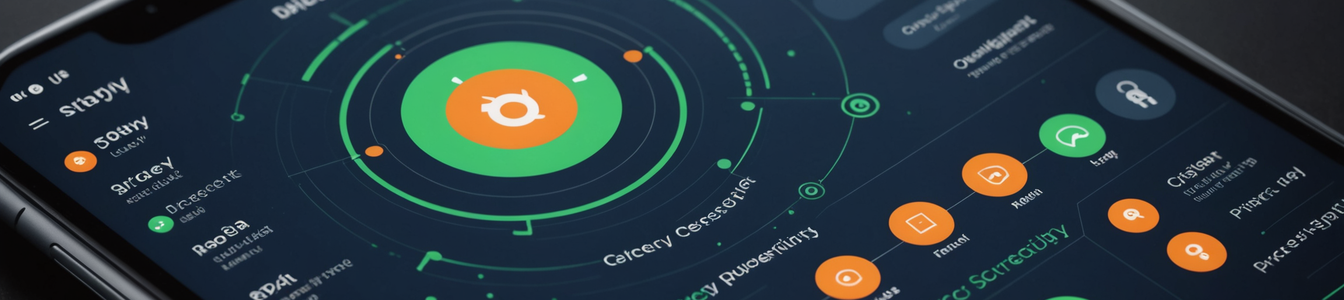
The mobile privacy landscape has undergone a silent revolution, with visual indicators becoming the frontline defense in user privacy awareness. The now-familiar green dot, orange indicator, and location tracking warnings have transformed from simple status icons into powerful privacy tools that bridge the gap between technical security measures and user comprehension.
These visual cues represent a fundamental shift in how mobile operating systems communicate privacy-related activities to users. When an app accesses the camera, a green indicator appears in the status bar. When the microphone is active, an orange dot signals this access. Similarly, location tracking warnings alert users when apps are accessing their geographical data. This real-time transparency has created an unprecedented level of awareness about what's happening behind the scenes on our devices.
For cybersecurity professionals, these indicators serve multiple critical functions. They act as immediate detection mechanisms for potentially malicious app behavior, provide educational opportunities for users to understand privacy concepts, and create accountability for app developers to justify their data access requirements. The standardization across iOS and Android platforms means users receive consistent privacy signals regardless of their device choice.
Technical Implementation and User Impact
The implementation of these privacy indicators involves sophisticated system-level monitoring that operates independently of individual applications. Mobile operating systems now include privacy dashboards that log access attempts and provide detailed breakdowns of which apps accessed sensitive features and when. This creates an audit trail that users can review to identify patterns of concerning behavior.
From a cybersecurity perspective, these visual indicators have significantly raised the bar for malicious applications attempting to surreptitiously access sensitive features. The immediate visual feedback means users can quickly identify when an app is accessing features unexpectedly, potentially stopping privacy violations before they occur.
Industry Response and Developer Adaptation
The introduction of these privacy indicators has forced app developers to be more transparent about their data access requirements. Many legitimate applications have updated their user interfaces to provide context when accessing sensitive features, explaining why camera, microphone, or location access is necessary for specific functions.
However, the cybersecurity community has observed some concerning trends. Some applications have developed workarounds, such as accessing data during expected usage patterns to avoid raising suspicion. Others have implemented more sophisticated timing strategies to minimize user awareness of data collection activities.
Future Developments and Security Implications
As these privacy indicators become more sophisticated, we're likely to see expanded functionality. Future iterations may include more granular information about data usage, duration of access, and even the ability to immediately revoke permissions when unexpected access is detected.
The success of these visual privacy indicators has implications beyond mobile devices. Similar systems could be implemented for desktop applications, IoT devices, and other connected technologies where user privacy awareness is equally important.
For organizations, these developments highlight the importance of privacy-by-design principles and the value of transparent data handling practices. As users become more privacy-conscious through exposure to these indicators, their expectations for all digital services will continue to rise.
Conclusion
The evolution of mobile privacy indicators represents a significant achievement in making digital privacy accessible and understandable. By transforming complex technical concepts into simple visual cues, mobile platforms have empowered users to take control of their digital privacy in ways that were previously impossible. For the cybersecurity community, these developments demonstrate the power of user-centered design in creating effective security measures that benefit both technical and non-technical users alike.
Comentarios 0
Comentando como:
¡Únete a la conversación!
Sé el primero en compartir tu opinión sobre este artículo.
¡Inicia la conversación!
Sé el primero en comentar este artículo.