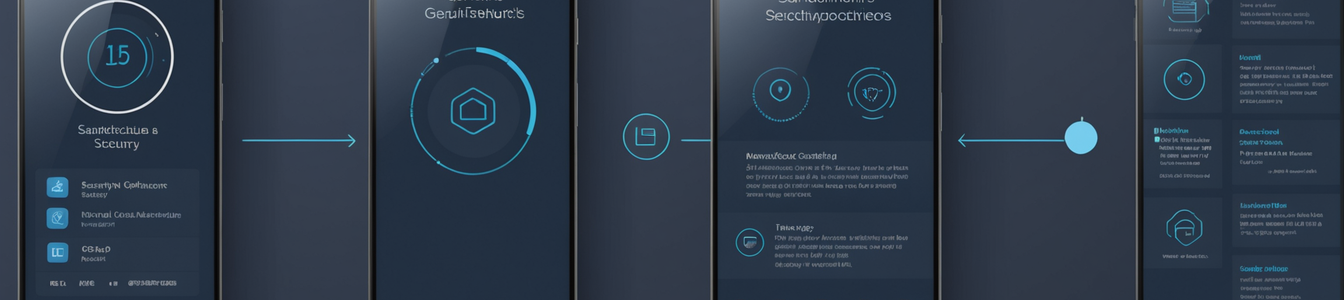
The smartphone landscape is poised for its most significant privacy-centric shift in over a decade. Motorola, a brand under Lenovo's umbrella, has officially entered into a strategic partnership with the GrapheneOS Foundation. This collaboration aims to integrate the security-hardened, privacy-focused Android-based operating system into future Motorola smartphone lines, challenging the industry's pervasive reliance on Google's ecosystem and data-centric business models.
Beyond Pixel: Mainstreaming Enterprise-Grade Mobile Security
GrapheneOS, until now, has been primarily associated with Google Pixel devices due to its reliance on specific hardware security features those phones offer. Motorola's commitment represents a pivotal expansion, bringing GrapheneOS's rigorous security paradigm to a new hardware platform. For cybersecurity professionals, this move validates the market demand for devices that prioritize user sovereignty over data. GrapheneOS is renowned for its technical underpinnings: it deconstructs the standard Android architecture to enforce strict application sandboxing, implements a hardened memory allocator to mitigate exploit attempts, and utilizes a verified boot process to ensure system integrity. By partnering directly with the foundation, Motorola is not merely licensing software; it is embedding GrapheneOS's philosophy into its hardware development lifecycle, promising devices built from the ground up with security as a core tenet, not an afterthought.
The Technical and Market Implications
The announcement, contextualized within industry events like MWC 2026, sends a clear signal to the market. The dominant Android model, which trades service accessibility for pervasive data collection via Google Mobile Services (GMS), now faces a credible, mainstream alternative. The key technical challenge and opportunity lie in the 'de-Googled' experience. Motorola GrapheneOS phones will likely ship without any proprietary Google apps or services pre-installed, relying instead on open-source alternatives and sandboxed Google Play compatibility for users who need specific apps. This approach drastically reduces the device's attack surface and telemetry footprint.
From a corporate and government procurement perspective, this partnership could be transformative. Organizations with stringent compliance requirements (GDPR, HIPAA) or those operating in sensitive environments have long sought viable, manageable alternatives to standard iOS and Android fleets. A major manufacturer like Motorola backing GrapheneOS provides the supply chain stability and support contracts that enterprise IT departments require, potentially opening a lucrative new business segment.
Challenges and the Road Ahead
Success is not guaranteed. The primary hurdles are consumer adaptation and application ecosystem compatibility. While tech-savvy users and privacy advocates will embrace the change, the mainstream market may balk at the initial friction of setting up alternative app stores and services. Motorola's marketing and user education will be critical. Furthermore, the long-term commitment from both parties is essential; security is a continuous process, requiring timely, long-term updates—a hallmark of the GrapheneOS project but a challenge for many OEMs.
This partnership also exerts pressure on Google itself. It demonstrates that a market exists for Android forks that explicitly reject its service layer, which could influence Android's own development towards offering more configurable privacy controls. For the cybersecurity community, the move provides a tangible, auditable alternative for clients and a case study in privacy-by-design commercialization. It proves that with the right hardware partnership, robust open-source security projects can transition from niche tools to mainstream consumer products, potentially raising the security baseline for the entire industry.
In conclusion, Motorola's GrapheneOS gambit is more than a new product line; it is a strategic bet on privacy as a sustainable competitive advantage. Its success or failure will serve as a bellwether for the future of mobile device sovereignty, influencing whether other manufacturers follow suit or retreat further into the data-driven status quo.
Comentarios 0
Comentando como:
¡Únete a la conversación!
Sé el primero en compartir tu opinión sobre este artículo.
¡Inicia la conversación!
Sé el primero en comentar este artículo.