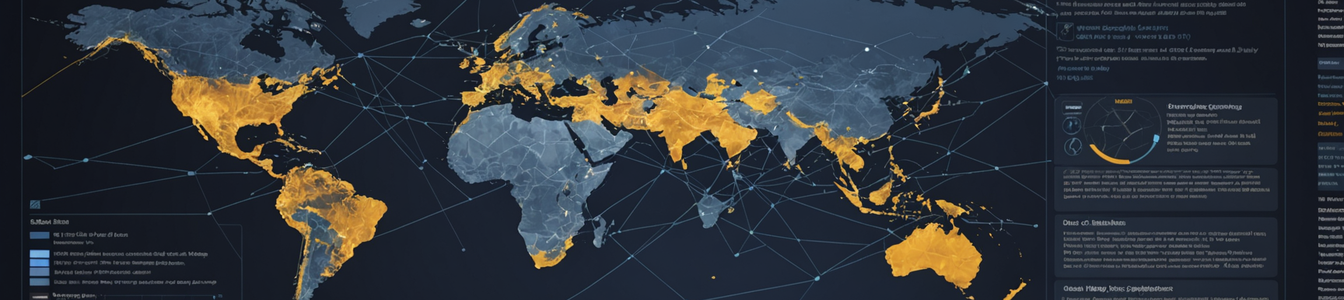
The architecture of national cyber defense is undergoing a fundamental transformation. In response to escalating geopolitical tensions and increasingly sophisticated cyber threats, governments are moving beyond the confines of their own security operations centers (SOCs) to forge integrated defense networks with the private sector. The recent announcement that Vodafone Spain's SOC has been formally incorporated into the national SOC network coordinated by Spain's National Cryptologic Center (CCN) is not an isolated event. It is a prominent indicator of a global strategic pivot towards collective, ecosystem-based defense, where shared threat intelligence and coordinated response become the bedrock of national security.
This model represents a significant evolution from traditional information-sharing partnerships like ISACs (Information Sharing and Analysis Centers). It involves the direct technical and operational integration of private-sector SOCs—often possessing cutting-edge tools, vast telemetry data from global networks, and specialized expertise—into the national defense fabric. The private entity becomes a sensor and a response node within the state's defensive grid. For a telecommunications giant like Vodafone, which operates critical digital infrastructure, this integration allows national defenders to gain visibility into threat patterns targeting essential services and potentially preempt cross-sector attacks.
The driver for this shift is twofold: capability and necessity. Privately-owned critical infrastructure—energy grids, financial systems, telecom networks—is a primary target for state-sponsored actors and cybercriminals. Governments recognize that they cannot defend what they cannot see. By integrating private SOCs, national agencies gain access to real-time, granular threat data from the front lines of the digital economy. Conversely, companies like Vodafone benefit from receiving vetted, classified threat intelligence from national agencies, such as indicators of compromise (IOCs) and tactics, techniques, and procedures (TTPs) linked to advanced persistent threats (APTs), enabling them to harden their defenses against the most dangerous adversaries.
Technologically, this integration is being supercharged by artificial intelligence. Companies are now offering AI-powered platforms specifically designed for defense and intelligence applications, capable of fusing disparate data streams, automating correlation, and predicting attack vectors. These solutions enable the rapid analysis of the massive datasets generated by a networked SOC model, turning raw data into actionable intelligence. AI can help identify subtle, cross-sector campaigns that might be invisible to a single organization, making the collective defense network smarter and more proactive.
However, this blurring of lines between corporate and national security operations introduces a complex web of challenges. The foremost concern is data governance and privacy. What safeguards are in place when sensitive corporate or customer data flows to a government entity? Regulatory compliance becomes a labyrinth, especially for multinational corporations like Vodafone that must navigate GDPR in Europe, potentially conflicting national security laws, and varying data sovereignty requirements. The legal frameworks for such deep integration are often nascent or non-existent.
Furthermore, questions of liability and responsibility arise. If a private SOC, acting on intelligence from a national center, takes an action that inadvertently causes disruption, who is accountable? The lines of command and control in a hybrid public-private SOC network are inherently complex. There is also the risk of mission creep, where corporate security teams may be pressured to prioritize national intelligence gathering over their primary duty to protect shareholder assets and customer privacy.
For the cybersecurity professional community, this trend has profound implications. Skill sets are evolving; there is growing demand for professionals who understand not only technical threat analysis but also the legal and policy frameworks governing national security. Careers may increasingly straddle both private and public sectors. The tools of the trade are also changing, with a greater emphasis on platforms that support secure, automated intelligence sharing (using standards like STIX/TAXII) and collaborative incident management.
In conclusion, the integration of Vodafone Spain into the CCN's SOC network is a microcosm of a larger, irreversible trend. As geopolitical tensions manifest in cyberspace, the concept of a national perimeter has become obsolete. Defense must be networked, collective, and intelligent. While the path forward requires careful navigation of significant legal, ethical, and operational hurdles, the development of these "Public-Private Shields" may well define the next generation of cyber resilience for democratic nations. The success of this model will depend on building trust, establishing clear rules of engagement, and ensuring that the fusion of capabilities truly enhances the security of all citizens and the integrity of the digital ecosystem.
Comentarios 0
Comentando como:
¡Únete a la conversación!
Sé el primero en compartir tu opinión sobre este artículo.
¡Inicia la conversación!
Sé el primero en comentar este artículo.