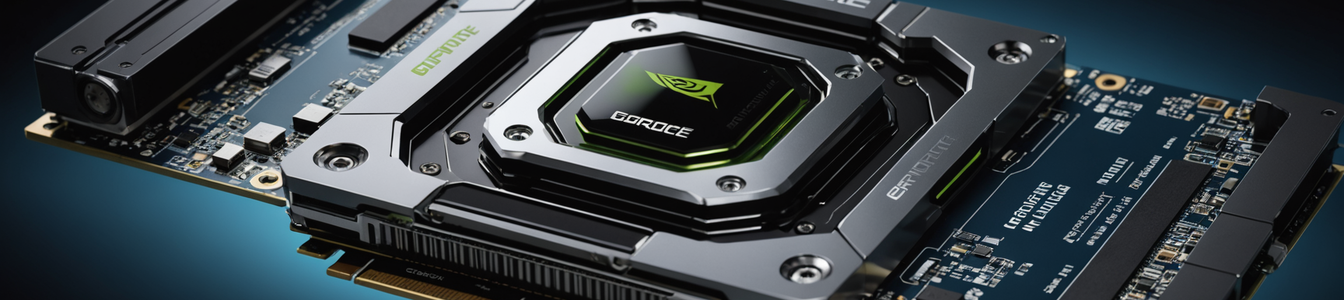
The global race for artificial intelligence supremacy is being fought on two distinct but interconnected battlegrounds: the diplomatic corridors of Washington and the shadowy routes of international smuggling networks. A recent crackdown by the U.S. Department of Justice (DOJ), juxtaposed with a significant policy shift by the Trump administration, has laid bare the intense security pressures fracturing the AI hardware supply chain. This duality presents unprecedented challenges for cybersecurity and national security professionals worldwide.
The Black-Market Pipeline: DOJ Busts Sophisticated Smuggling Ring
Federal authorities recently announced the disruption of a complex network dedicated to illegally procuring and exporting advanced Nvidia AI accelerators, specifically the H100 and the newly released H200 models, to entities in China. These chips, essential for training cutting-edge large language models (LLMs) and foundational AI systems, are subject to strict U.S. export controls designed to limit China's advancement in sensitive dual-use technologies.
The smuggling operation allegedly used a multi-layered approach to evade detection. Chips were first acquired through distributors in the United States. They were then funneled through intermediary companies in Taiwan and Hong Kong before reaching their final destinations in mainland China. This transshipment strategy was designed to obscure the true end-user and circumvent licensing requirements. The bust underscores the immense black-market value of these components, where demand vastly outstrips legal supply due to geopolitical restrictions.
The Diplomatic Channel: Conditional Green Light for H200 Exports
In a seemingly contradictory move, the Trump administration has granted Nvidia conditional authorization to ship its latest H200 AI chips to China. This is not a blanket approval but a carefully negotiated exception. The policy, as reported, involves specific safeguards and limitations on the volume and performance specifications of the chips allowed for export. The administration's stated rationale is to maintain U.S. economic leverage in the critical semiconductor sector, preventing China from developing a completely independent, homegrown supply chain by keeping it partially dependent on American technology.
However, this conditional access comes with its own set of security risks. By allowing some level of legal trade, it creates a more complex monitoring environment where illicit chips can potentially be laundered within legitimate shipments. Furthermore, it establishes a precedent for "performance-throttled" exports, which may incentivize foreign actors to seek ways to bypass or modify hardware limitations—a direct hardware security challenge.
Cybersecurity Implications: A Perfect Storm of Supply Chain Risks
For Chief Information Security Officers (CISOs) and supply chain security experts, this situation creates a multifaceted threat landscape:
- Hardware Provenance and Integrity: The existence of a vibrant smuggling market means that organizations, even outside China, cannot fully trust the provenance of critical AI hardware. A server rack purchased through a third-party distributor could contain chips diverted from a smuggling ring or chips intended for a different market with altered firmware. This introduces risks of hardware backdoors, compromised integrity, and unreliable performance.
- Weaponized Standards and Technical Controls: The policy of exporting "conditionally approved" or performance-capped chips (like previous A800/H800 variants) turns technical specifications into instruments of foreign policy. This forces cybersecurity teams to understand not just the functional specs of their hardware, but also its geopolitical "version." It blurs the line between commercial product and controlled munition.
- The Insider Threat Vector: The DOJ case highlights how smuggling networks often rely on insiders within the legitimate supply chain—distributors, logistics personnel, or corporate procurement officers. This expands the traditional insider threat model from data theft to physical diversion of strategic technological assets.
- Espionage and Reverse-Engineering Risk: Every advanced chip that reaches a geopolitical competitor, whether through legal or illegal means, becomes a subject for detailed analysis and potential reverse-engineering. This accelerates the erosion of the U.S. technological lead and could inform the development of future cyber-physical weapons or surveillance tools.
The Security Community's Dilemma and Path Forward
Prominent voices in national security, including Senator Elizabeth Warren, have publicly warned that the conditional sales policy carries significant risk, potentially undermining the original intent of the export controls by providing a sanctioned pathway for technological transfer. The cybersecurity community is now tasked with navigating this ambiguous environment.
Mitigation strategies must evolve. Reliance on manufacturer seals-of-authenticity is insufficient. Organizations requiring high-assurance AI compute will need to invest in advanced hardware security validation, including physical inspection, side-channel analysis to verify performance ceilings, and secure, audited procurement pipelines. The concept of a "hardware bill of materials" (HBOM) with cryptographic attestation becomes critical.
Furthermore, international collaboration on tracking strategic commodities, similar to efforts in nuclear non-proliferation, may be necessary. The dual reality of chip diplomacy and smuggling rings signals that AI hardware has irrevocably become a core national security interest. Protecting its supply chain is no longer just about cost and availability; it is a foundational element of cyber defense in the age of algorithmic competition.
Comentarios 0
Comentando como:
¡Únete a la conversación!
Sé el primero en compartir tu opinión sobre este artículo.
¡Inicia la conversación!
Sé el primero en comentar este artículo.