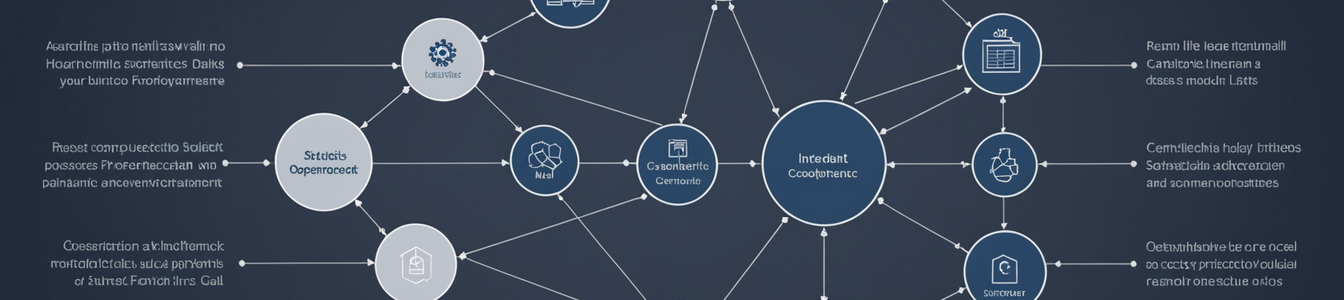
The enterprise identity and access management (IAM) landscape is at a pivotal juncture. For years, large organizations have relied on monolithic, proprietary suites from major vendors to govern who has access to what within their digital ecosystems. However, a powerful counter-current is emerging, championed at industry gatherings like the recent Gartner IAM Summit: the strategic adoption of open-source Identity Governance and Administration (IGA) platforms. This shift represents more than a cost-saving tactic; it's a fundamental rethinking of how enterprises control access, manage compliance, and future-proof their security posture.
The Drivers: Beyond Cost to Strategic Flexibility
The initial appeal of open-source IGA is often financial. Licensing fees for enterprise-grade IGA suites can run into the millions, with additional costs for customization, integration, and scaling. Open-source alternatives present a compelling economic model. However, as discussions at the summit revealed, the primary driver for many large organizations is escaping vendor lock-in. Proprietary systems can create dependency, limiting an organization's ability to adapt quickly to new technologies, integrate with niche applications, or negotiate favorable terms. Open-source IGA, built on transparent code and open standards, returns control to the enterprise IT and security teams.
This flexibility is critical for tackling one of IGA's most persistent challenges: application onboarding. Every new SaaS tool, cloud service, or legacy system requires integration into the IGA framework to ensure proper access provisioning, certification, and auditing. Proprietary solutions often struggle with this, requiring expensive professional services or complex workarounds. At the Gartner summit, Evolveum, a key player in the open-source IGA space with its midPoint platform, specifically showcased methodologies to streamline this onboarding process. By leveraging open standards and a modular architecture, they demonstrated how organizations can reduce the time and cost to integrate applications, thereby accelerating the realization of IGA value and improving overall security hygiene.
Convergence with Modern Authentication
The open-source IGA movement is not happening in isolation. It dovetails with another major trend dominating cybersecurity conferences: the death of the password. The push towards passwordless authentication—using FIDO2 security keys, biometric-integrated passkeys, and seamless Single Sign-On (SSO)—is reshaping the user experience front-end of identity management. Articles and sessions, including those from European tech media, emphasize the rapid enterprise adoption of these standards to enhance security and usability.
This creates a synergistic opportunity. A robust, flexible IGA backend is essential for governing these modern authentication methods. IGA defines who should have access to a system; passwordless authentication verifies it is that person. An open-source IGA platform can be more readily adapted to manage the lifecycle of passkeys, govern access policies for FIDO2-authenticated applications, and provide the compliance audit trails that regulators demand, all without being constrained by a vendor's roadmap.
Implications for the Cybersecurity Community
For security leaders, this shift presents both opportunities and challenges. The opportunity lies in building a more resilient, adaptable, and cost-effective identity fabric. Teams can tailor the IGA solution to their exact risk profile and IT architecture, integrate cutting-edge authentication, and foster innovation through community-driven development. The open-source model also encourages deeper internal expertise, as teams engage with the code and contribute back, leading to a stronger security posture overall.
The challenges are primarily operational. Adopting open-source IGA requires a commitment of internal development and operations resources. The "free software" is not free to operate; it shifts cost from licensing to expertise. Organizations must assess their readiness to provide 24/7 support, manage upgrades, and ensure the security of the codebase they are running. However, the emergence of commercial support offerings from companies like Evolveum provides a middle ground, offering enterprise-grade support for the open-source core.
The Road Ahead
The trend towards open-source IGA signifies a maturation of the cybersecurity market. It reflects a desire for interoperability, transparency, and control in one of the most critical layers of enterprise defense—access control. As passwordless authentication becomes the norm and IT environments grow more heterogeneous, the argument for flexible, vendor-agnostic governance tools will only strengthen.
Enterprises are now faced with a strategic choice: continue on the traditional path of integrated suite vendors or embrace the open-source shift for greater autonomy. The discussions at leading summits indicate that for a growing number of organizations, particularly those with complex needs and in-house talent, the open-source route is becoming the strategically prudent crossroads to take. The future of enterprise identity may well be built on an open foundation.
Comentarios 0
Comentando como:
¡Únete a la conversación!
Sé el primero en compartir tu opinión sobre este artículo.
¡Inicia la conversación!
Sé el primero en comentar este artículo.