Operation Firewall: The Digital Dragnet Against Child Exploitation Networks
In a landmark coordinated effort, international law enforcement agencies have successfully disrupted sophisticated child exploitation networks through Operation Firewall, a multi-national investigation that demonstrates the evolving capabilities of digital forensics in combating cyber-enabled crimes against children.
The operation, spanning multiple continents and jurisdictions, has yielded significant results with 56 arrests confirmed in Massachusetts alone, according to state police reports. The coordinated takedown represents one of the most comprehensive actions against child exploitation networks in recent years, targeting perpetrators operating across both surface web and dark web platforms.
Technical Investigation Methodology
Operation Firewall employed advanced digital investigation techniques that combined traditional law enforcement methods with cutting-edge cyber forensics. Investigators utilized sophisticated tracking mechanisms to identify individuals sharing and distributing illicit materials through encrypted channels and peer-to-peer networks.
The investigation revealed that perpetrators were increasingly using virtual private networks (VPNs) and other anonymizing technologies to conceal their activities. This prompted warnings from major technology companies, including Google, about the potential misuse of privacy tools for illegal purposes. The case highlights the ongoing challenge facing law enforcement: balancing individual privacy rights with the need to protect vulnerable populations.
Cybersecurity Implications and Organizational Vulnerabilities
Parallel to the law enforcement operation, cybersecurity assessments revealed concerning trends in organizational security postures. A comprehensive study conducted across multiple sectors found that while 97% of cybersecurity leaders expressed confidence in their protection measures, the majority lacked fundamental security controls including firewalls and antivirus software.
This disconnect between perceived and actual security readiness presents significant risks, particularly for organizations handling sensitive data or operating in regulated industries. The findings suggest that many entities may be vulnerable to cyber threats despite leadership confidence in their security infrastructure.
Digital Forensics Breakthroughs
The success of Operation Firewall underscores the importance of specialized digital forensics capabilities in modern criminal investigations. Forensic teams employed advanced techniques including:
- Network traffic analysis across multiple jurisdictions
- Cryptocurrency transaction tracking
- Metadata analysis of digital content
- Cross-platform correlation of user activities
- Advanced timeline reconstruction
These technical capabilities enabled investigators to connect seemingly isolated incidents into a comprehensive understanding of the criminal networks' operations and hierarchies.
International Cooperation Framework
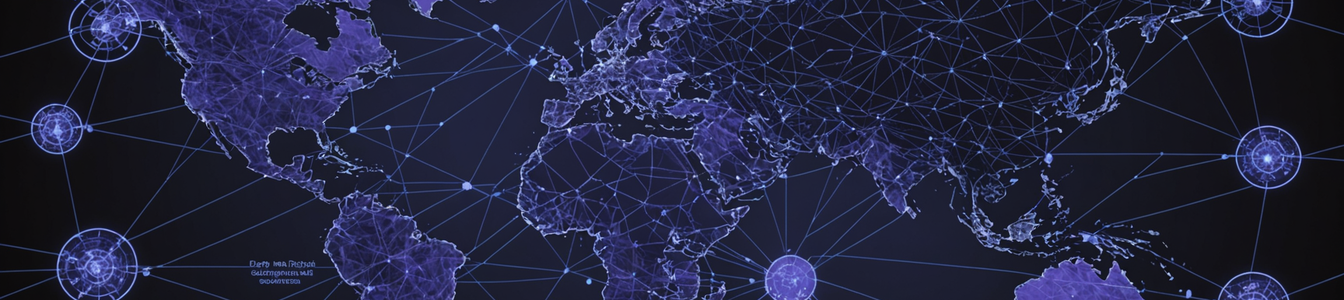
Operation Firewall demonstrated the critical importance of international collaboration in addressing transnational cybercrime. The investigation involved coordination between multiple law enforcement agencies across different legal jurisdictions and technical capabilities.
The operation established new protocols for information sharing and joint investigative actions, setting precedents for future cross-border cybercrime investigations. This collaborative approach proved essential in addressing the borderless nature of online criminal activities.
Industry Response and Technological Countermeasures
In response to the investigation's findings, major technology companies have begun implementing enhanced measures to detect and prevent the distribution of exploitative materials. These include:
- Improved content moderation algorithms
- Enhanced reporting mechanisms for suspicious activities
- Stronger age verification systems
- Advanced pattern recognition for identifying coordinated malicious activities
The case has also prompted discussions about the ethical responsibilities of technology providers in preventing the misuse of their platforms while maintaining user privacy.
Future Implications for Cybersecurity Professionals
Operation Firewall provides several key lessons for cybersecurity professionals and organizations:
- The importance of comprehensive security controls beyond basic perimeter defenses
- The need for continuous monitoring and threat intelligence sharing
- The value of digital forensics capabilities in incident response
- The critical role of international cooperation in addressing global threats
As cybercriminals continue to evolve their tactics, the cybersecurity community must adapt accordingly, developing more sophisticated detection and prevention capabilities while maintaining ethical standards and privacy protections.
The success of Operation Firewall represents a significant milestone in the fight against online child exploitation while highlighting the ongoing challenges in balancing security, privacy, and law enforcement needs in the digital age.
Comentarios 0
Comentando como:
¡Únete a la conversación!
Sé el primero en compartir tu opinión sobre este artículo.
¡Inicia la conversación!
Sé el primero en comentar este artículo.