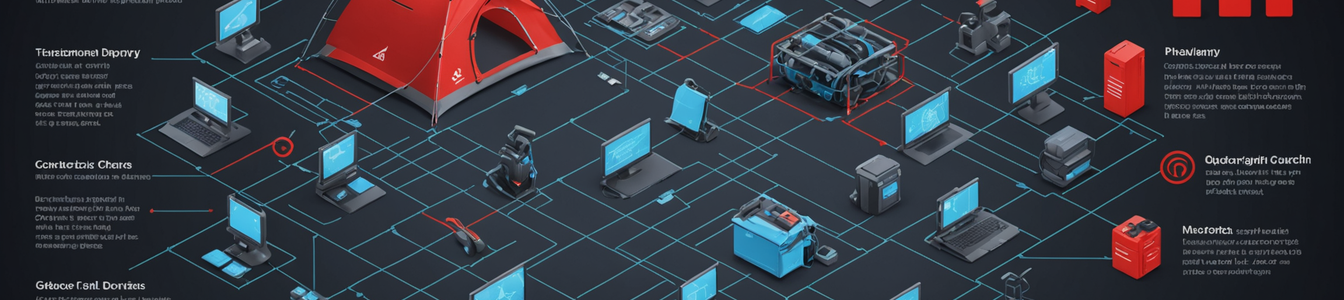
The escalating global trade wars are creating dangerous cybersecurity gaps in outdoor equipment manufacturing supply chains, exposing hunting gear, camping equipment, and outdoor recreational products to potential sabotage and compromise. As tariffs disrupt traditional manufacturing relationships, companies are being forced to rapidly onboard new suppliers with inadequate security vetting, creating multiple points of vulnerability that threat actors could exploit.
Supply chain security professionals are observing concerning patterns as outdoor equipment manufacturers scramble to adapt to new tariff regimes. The customs clearance process has become increasingly complex, with logistics providers like UPS reporting significant challenges in navigating the new regulatory landscape. This complexity creates opportunities for malicious actors to introduce compromised components or intercept shipments during extended customs delays.
Simultaneously, major outdoor retailers are expanding their product lines to capitalize on growing consumer interest in outdoor activities. Tractor Supply Company's aggressive expansion of their Field & Stream lineup demonstrates the industry's rapid growth, but this expansion comes with increased cybersecurity risks. Each new product introduction represents additional attack surface, from connected hunting equipment to smart outdoor gear with embedded IoT components.
The convergence of supply chain disruption and product line expansion creates a perfect storm for cybersecurity vulnerabilities. Manufacturers cutting corners on security assessments to maintain production schedules are inadvertently introducing risks that could compromise entire product ecosystems. The outdoor equipment sector, traditionally not considered critical infrastructure, now represents a potential gateway for attacks affecting national security and consumer safety.
Connected hunting equipment, including GPS-enabled devices, smart optics, and electronic game calls, present particular concerns. These devices often collect sensitive location data and could be manipulated to provide false information or reveal user positions. Compromised camping equipment with IoT capabilities could create safety hazards or serve as entry points for broader network attacks.
The industry's response must include enhanced supply chain visibility, rigorous third-party security assessments, and implementation of hardware-based security measures. Cybersecurity teams should prioritize firmware validation, secure boot processes, and encrypted communications for all connected outdoor equipment. Additionally, manufacturers must establish comprehensive incident response plans specifically addressing supply chain compromises.
As trade tensions continue to reshape global manufacturing relationships, the outdoor equipment industry must recognize its emerging role in national security and consumer protection. Proactive security measures implemented today could prevent catastrophic breaches tomorrow, ensuring that outdoor enthusiasts can continue to enjoy nature without compromising their digital safety.
Comentarios 0
Comentando como:
¡Únete a la conversación!
Sé el primero en compartir tu opinión sobre este artículo.
¡Inicia la conversación!
Sé el primero en comentar este artículo.