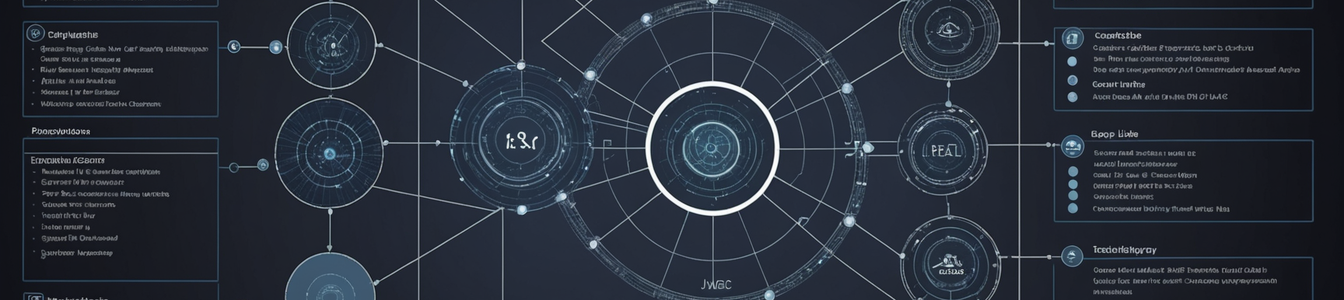
The regulatory landscape for digital operations is undergoing a seismic shift, moving from broad guidelines to highly specific, technically prescriptive mandates. This evolution is giving rise to what industry analysts are calling 'The New Compliance Stack'—a suite of integrated technical architectures and vendor solutions designed to meet next-generation requirements natively. Three distinct but parallel developments in India and the Middle East/Asia-Pacific region illustrate this trend: the tooling up for India's new data protection law, the adoption of the latest payment security standard, and the pre-emptive engineering of compliance into stablecoin infrastructure.
India's Dual Compliance Frontier: DPDPA and PCI DSS 4.0
The implementation of India's Digital Personal Data Protection Act (DPDPA) has created an urgent need for specialized data security and governance tools. In response, strategic partnerships are forming to address this gap. The alliance between iValue, a digital transformation solutions provider, and Varonis, a specialist in data security and analytics, is a prime example. This partnership aims to deliver integrated solutions that help Indian enterprises discover, classify, secure, and govern sensitive personal data. The focus is on enabling core DPDPA requirements like data principal rights fulfillment, lawful processing grounds, breach notification, and data localization where applicable. For cybersecurity teams, this means moving beyond generic Data Loss Prevention (DLP) tools to platforms capable of mapping data flows, enforcing contextual access policies, and automating compliance reporting specific to the Indian legal context.
Simultaneously, the payment ecosystem is grappling with the updated Payment Card Industry Data Security Standard (PCI DSS) version 4.0.1. This iteration emphasizes continuous security monitoring, enhanced authentication mechanisms, and a more customized, risk-based approach to controls. Achieving this certification is no small feat, as demonstrated by Loylty Rewardz, a major player in India's loyalty and rewards industry. Their attainment of PCI DSS v4.0.1 certification sets a new security benchmark, particularly for sectors handling vast volumes of transaction data and customer points that are increasingly targeted by fraudsters. The certification validates that their systems for storing, processing, and transmitting cardholder data meet the highest contemporary standards, which include stronger encryption, more rigorous access controls, and proactive threat detection. This is critical as loyalty platforms become intertwined with payment gateways and e-commerce ecosystems.
The Rise of Programmable Compliance in Digital Assets
Perhaps the most forward-looking development is occurring in the realm of digital assets, where compliance is being engineered directly into the foundational architecture. This 'programmable compliance' model is designed to satisfy emerging regulatory frameworks for stablecoins—cryptocurrencies pegged to stable assets like fiat currency.
In Hong Kong, the fintech company Remi has taken a pre-emptive approach by deploying a compliance architecture fully aligned with the Hong Kong Monetary Authority's (HKMA) latest stablecoin licensing standards. Rather than retrofitting systems after regulations are finalized, Remi has built its stablecoin operations with regulatory requirements as a core design principle. This likely involves embedded features for real-time transaction monitoring, wallet address whitelisting/blacklisting (on-chain compliance), transparent reserve attestation, and automated reporting hooks for regulators. It represents a shift from viewing compliance as a legal overhead to treating it as a fundamental, code-level component of the product.
A similar trend is visible in the Middle East. BurjX, a digital asset exchange, is expanding its stablecoin infrastructure under the regulatory umbrella of the Abu Dhabi Global Market (ADGM). The ADGM has established a clear regulatory framework for virtual assets, and BurjX's expansion signifies the building of technical systems that comply with ADGM's rules on custody, risk management, anti-money laundering (AML), and consumer protection. This involves creating secure, auditable, and resilient technological stacks for issuing, redeeming, and trading stablecoins that can withstand regulatory scrutiny.
Implications for the Cybersecurity Profession
For cybersecurity and compliance professionals, these trends signal a fundamental change in required skills and strategic planning.
- Convergence of Domains: Expertise can no longer exist in silos. Professionals must understand the intersection of data privacy law (like DPDPA), financial security standards (like PCI DSS), and the novel technical demands of blockchain-based assets. The 'compliance stack' is becoming a unified defense layer.
- Shift-Left Security and Compliance: The concept of 'shifting left'—integrating security early in the development lifecycle—is now being applied to compliance. The Remi and BurjX examples show that the most efficient compliance is architected in, not bolted on. Cybersecurity teams must be involved in the initial design of products and services to ensure regulatory requirements are met by design.
- Vendor Ecosystem Specialization: A new vendor ecosystem is emerging. Partners like iValue and Varonis are tailoring global solutions for local regulations. Success will depend on choosing partners that offer deep regulatory intelligence alongside robust technical controls.
- Automation as a Necessity: The volume and complexity of controls in PCI DSS 4.0 and the real-time demands of stablecoin regulation make manual compliance impossible. Investment in automation for policy enforcement, evidence collection, anomaly detection, and reporting is now a strategic imperative.
Conclusion: Building the Future-Proof Enterprise
The simultaneous evolution of data, payment, and digital asset regulations is not a coincidence; it reflects the maturation of the global digital economy. Enterprises that view PCI DSS 4.0, DPDPA, and stablecoin regimes as isolated compliance checkboxes will struggle with cost, complexity, and risk. The winning strategy is to adopt an integrated approach, viewing these mandates as interconnected specifications for a modern, secure, and trustworthy digital infrastructure. By leveraging specialized partnerships, embracing the latest security standards, and architecting for 'programmable compliance,' organizations can transform regulatory adherence from a burden into a competitive advantage and a cornerstone of customer trust. The new compliance stack is, fundamentally, the new security stack.
Comentarios 0
Comentando como:
¡Únete a la conversación!
Sé el primero en compartir tu opinión sobre este artículo.
¡Inicia la conversación!
Sé el primero en comentar este artículo.