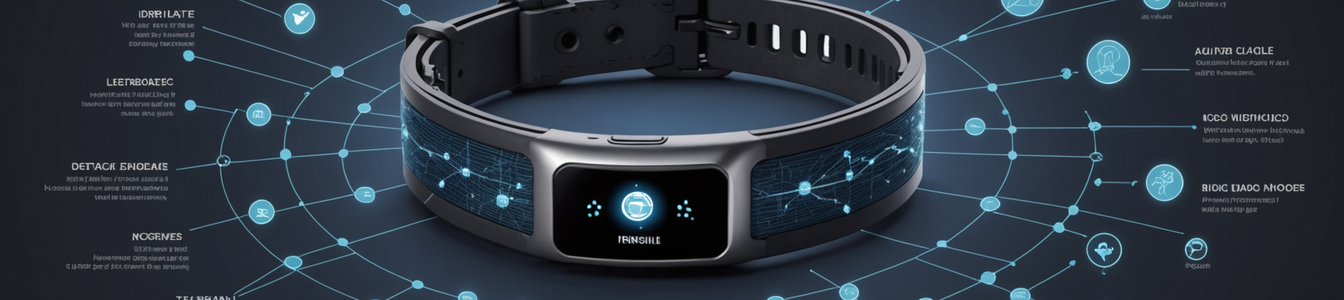
The Internet of Things (IoT) revolution has extended beyond human-centric devices to create a booming market for pet health monitoring. Companies are racing to develop AI-powered collars, feeders, and environmental sensors that promise to revolutionize preventive veterinary care. However, this emerging sector is creating unprecedented cybersecurity and data privacy challenges that security professionals are only beginning to understand.
The Emerging Attack Surface
Smart pet monitors collect a staggering array of sensitive data. Advanced devices track biometric indicators including heart rate variability, respiratory patterns, activity levels, sleep quality, calorie expenditure, and even stress indicators through behavioral analysis. Location tracking is often continuous, creating detailed movement profiles. When combined with feeding schedules, medication reminders, and veterinary records accessed through companion apps, these systems create comprehensive digital profiles of pets—and by extension, their owners.
This data is transmitted through multiple channels: from device to smartphone via Bluetooth, from smartphone to cloud via Wi-Fi or cellular networks, and often shared with third-party veterinary platforms. Each transmission point represents a potential vulnerability. Research into broader smart home ecosystems reveals consistent security flaws that likely extend to pet IoT devices: default passwords that users rarely change, unencrypted local network communications, APIs with insufficient authentication, and cloud databases with inadequate access controls.
The Value of Pet Health Data
Why would cybercriminals target pet data? The motivations are multifaceted. First, this data can facilitate sophisticated social engineering attacks. Knowing a pet's name, breed, medical conditions, and daily routines provides attackers with convincing material for targeted phishing campaigns against pet owners. Second, aggregated pet health data has significant commercial value for pet food companies, pharmaceutical firms, and insurance providers. A database containing millions of pets' biometric trends could be worth millions on dark web markets or to competitors seeking market intelligence.
Third, and most concerning, is the potential for ransomware attacks targeting veterinary clinics. As these clinics integrate IoT data into electronic health records, they become attractive targets. An attacker could encrypt both the clinic's records and the ongoing stream of monitoring data, demanding payment from both the clinic and pet owners whose animals might depend on continuous monitoring for chronic conditions.
Regulatory and Ethical Gray Areas
The regulatory landscape for pet health data remains underdeveloped. While human health data receives strong protection under regulations like HIPAA in the U.S. and GDPR in Europe, no equivalent framework exists for animal data. Terms of service agreements for pet IoT devices often claim broad rights to aggregate, anonymize, and commercialize collected data. Most users click "agree" without considering that their pet's biometric patterns might be sold to third parties.
Data ownership questions are particularly complex. Does the data belong to the pet owner who purchased the device? The manufacturer who designed the algorithms? The veterinarian who interprets the data? Or the pet itself—a concept some jurisdictions are beginning to consider in animal welfare laws? This ambiguity creates legal vulnerabilities and complicates incident response when breaches occur.
Security Recommendations for a Growing Industry
As the pet IoT market expands, several security measures should become standard:
- End-to-end encryption for all data transmissions, including local Bluetooth connections between device and phone.
- Mandatory password changes upon first use, with enforcement of strong password policies.
- Regular security patches delivered through automated updates, with clear end-of-life policies for devices.
- Data minimization principles, collecting only what's necessary for core functionality.
- Transparent data policies specifying exactly what data is collected, how it's used, and with whom it's shared.
- Veterinary clinic cybersecurity standards for integrating IoT data into practice management systems.
The Road Ahead
The intersection of veterinary medicine, consumer IoT, and artificial intelligence represents one of the most interesting—and vulnerable—developments in connected devices. Security researchers should begin including pet IoT devices in their smart home security assessments. Manufacturers must prioritize security by design rather than treating it as an afterthought. And regulators need to consider whether the sensitive nature of health data, regardless of species, warrants stronger protections.
The coming years will likely see the first major breaches involving pet health data. By addressing these vulnerabilities proactively, the cybersecurity community can help ensure that technological advances in pet care don't come at the cost of privacy and security for the animals and families these devices are meant to help.
Comentarios 0
Comentando como:
¡Únete a la conversación!
Sé el primero en compartir tu opinión sobre este artículo.
¡Inicia la conversación!
Sé el primero en comentar este artículo.