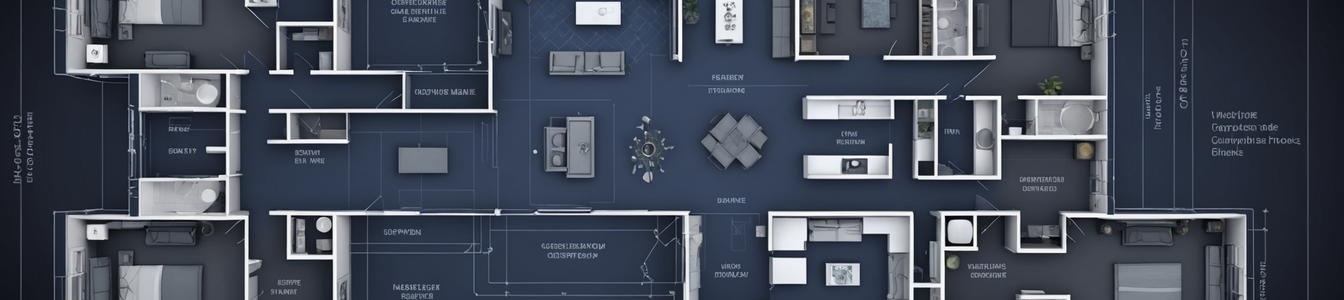
The line between digital fraud and physical intrusion is blurring at an alarming rate. Cybersecurity professionals are no longer solely defending against data breaches in the cloud, but also against threats that can unlock a front door, disable a security system, or spy through a connected camera. This evolution is driven by two converging trends: the increasing sophistication and localization of social engineering attacks, and the expanding, often vulnerable, attack surface presented by the Internet of Things (IoT) in smart homes.
The Localized Phishing Threat: A Case Study in Trust Exploitation
A stark example of the modern social engineering playbook is a recent, highly targeted phishing campaign identified in Germany, focusing on customers of Volksbank, a cooperative bank with deep community roots. Unlike broad, generic phishing attempts, this campaign was notably precise. Attackers crafted deceptive communications that appeared to originate from the local bank itself, leveraging the inherent trust customers place in a familiar, community-focused institution. The scam likely employed fabricated urgency—warnings about account blocks, suspicious activity, or mandatory security updates—to prompt victims to click on malicious links. These links would have led to counterfeit login pages designed to harvest online banking credentials. The success of such an attack hinges on its localized nature, which bypasses the skepticism often applied to unexpected emails from large, impersonal international banks. It demonstrates a shift towards hyper-targeted social engineering that researches and mimics local institutions to dramatically increase its success rate.
The Smart Home: A New Frontier for Social Engineers
While the Volksbank case targets digital assets (bank accounts), the underlying methodology—deception and manipulation of human psychology—is now being applied to a new domain: the physical smart home ecosystem. As homes become saturated with connected devices—from voice assistants and smart thermostats to IP cameras, door locks, and kitchen appliances—they create a complex network of potential vulnerabilities. Social engineering serves as a potent key to this network.
An attacker no longer needs to be a master hacker exploiting a zero-day vulnerability in a device's firmware. Instead, they can use phishing, vishing (voice phishing), or pretexting to trick a homeowner into revealing their Wi-Fi password, the login credentials for their smart home hub (like Google Home or Amazon Alexa), or the master password for a device management app. Once these credentials are obtained, the attacker gains a foothold in the domestic network. The consequences move beyond financial theft into the realm of personal safety and privacy.
The Convergence: From Credentials to Physical Control
This is where the convergence becomes critically dangerous. Imagine a scenario where a phishing attack, similar to the one targeting Volksbank customers, is aimed at users of a popular smart home platform. A convincing email, purporting to be from "SmartHome Secure," warns of a critical security flaw and urges the user to log in to a fake portal to update their settings. The stolen credentials grant the attacker access to the user's entire smart home dashboard.
The potential impacts are tangible and alarming:
- Surveillance and Privacy Invasion: An attacker could access live feeds from indoor security cameras, monitor movement via smart sensors, or review doorbell camera history.
- Physical Security Breach: Smart locks could be remotely unlocked, garage doors opened, or security systems disarmed, enabling physical burglary or worse.
- Harassment and Psychological Terror: Attackers could manipulate devices to create fear—blinking lights, playing disturbing audio over smart speakers, or adjusting thermostats to extreme levels.
- Ransomware Goes Physical: "Locker" malware for IoT could physically lock residents out of their own homes or cars until a ransom is paid.
Mitigation Strategies for a Converged Threat Landscape
Addressing this blended threat requires a multi-layered defense strategy that addresses both the human and technological elements.
For Individuals and Households:
- Awareness is Primary Defense: Treat unsolicited communications regarding any connected service—bank or smart home—with extreme skepticism. Never click links; navigate directly to the official website or app.
- Strengthen Authentication: Enforce strong, unique passwords for Wi-Fi networks and every smart home device/app. Wherever possible, enable multi-factor authentication (MFA), especially for the master account controlling the smart home ecosystem.
- Segment Your Network: Use a guest network for IoT devices to isolate them from personal computers, phones, and other devices containing sensitive data. This can prevent a compromised smart device from becoming a launchpad for attacks on other systems.
- Regularly Update Firmware: Ensure all smart devices are set to receive automatic security updates or establish a routine to manually check for and install patches.
For the Cybersecurity Community and Manufacturers:
- Security by Design: IoT manufacturers must prioritize security from the initial design phase, implementing strong default passwords, mandatory secure setup processes, and regular, automated update mechanisms.
- Promoting Standardization: Advocating for and adopting emerging security standards and certifications for consumer IoT can raise the baseline level of security across the industry.
- Threat Intelligence Sharing: Continued analysis and sharing of tactics related to localized phishing and IoT exploitation are crucial for developing effective countermeasures and public advisories.
The case of the targeted Volksbank phishing is not an isolated event but a harbinger of a more integrated threat model. As social engineers refine their ability to exploit human trust, and as our physical environments become increasingly networked and automated, the potential for harm escalates significantly. The cybersecurity imperative is clear: defend the human element through education and defend the digital-physical infrastructure through robust, resilient design. The front line is no longer just the corporate firewall; it is also the smart lock on the front door and the inbox of the homeowner.
Comentarios 0
Comentando como:
¡Únete a la conversación!
Sé el primero en compartir tu opinión sobre este artículo.
¡Inicia la conversación!
Sé el primero en comentar este artículo.