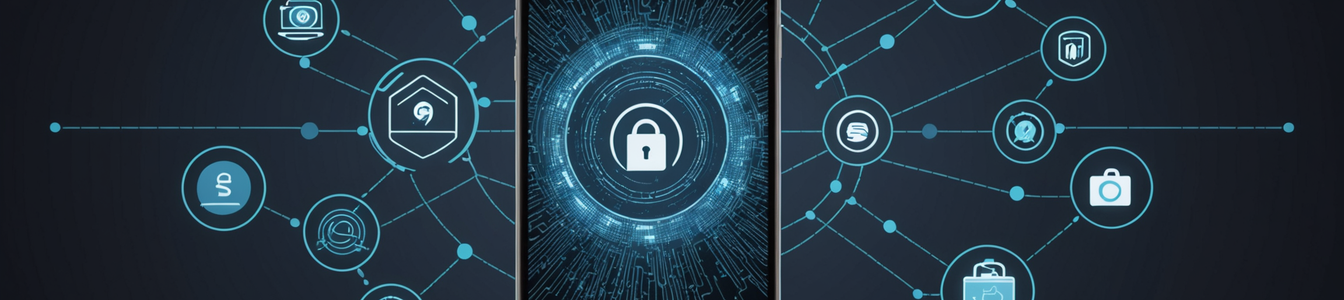
The rapid global adoption of government-mandated digital identity applications is fundamentally reshaping mobile security paradigms, creating both opportunities and unprecedented risks for users and cybersecurity professionals alike. As nations worldwide accelerate their digital transformation initiatives, these identity platforms are becoming critical infrastructure components while simultaneously emerging as prime targets for sophisticated cyber attacks.
India's recent launch of the updated Aadhaar application exemplifies this trend, introducing enhanced features that promise greater convenience for citizens but also expand the attack surface for potential security breaches. The application's integration with various government and private sector services creates a centralized repository of sensitive personal information that, if compromised, could lead to catastrophic identity theft scenarios.
Across Europe, the digitization of administrative procedures is progressing rapidly, with countries like France implementing comprehensive digital identity frameworks. This shift toward digital governance raises significant questions about data protection, user consent, and the security of personal information stored on mobile devices. The convenience of having digital identity accessible through smartphones must be balanced against the risks of unauthorized access and data exploitation.
Technical security considerations for these applications are multifaceted. The integration of emergency calling features within Android systems, while beneficial for user safety, introduces additional complexity to the mobile security architecture. These features require deep system integration that could potentially be exploited by malicious actors if not properly secured. The challenge lies in maintaining functionality while ensuring that security protocols remain uncompromised.
Privacy concerns are equally significant. Digital identity applications typically require access to extensive personal data, including biometric information, government identification numbers, and personal history. The storage and transmission of this data must adhere to stringent security standards to prevent interception or unauthorized access. Encryption protocols, secure authentication mechanisms, and regular security updates are essential components of a robust digital identity security framework.
For cybersecurity professionals, the proliferation of mandatory digital identity applications presents several critical challenges. The centralized nature of these systems creates attractive targets for state-sponsored actors and organized cybercrime groups. Security teams must contend with potential vulnerabilities in application code, server infrastructure, and the transmission channels between mobile devices and government databases.
The human factor remains a crucial vulnerability vector. User education about secure practices when using digital identity applications is essential. This includes understanding phishing threats, recognizing suspicious application behavior, and maintaining device security through regular updates and strong authentication methods.
Looking forward, the security community must develop standardized frameworks for evaluating and certifying digital identity applications. Independent security audits, vulnerability disclosure programs, and transparent security practices should become industry standards for government-mandated digital identity systems. The balance between convenience and security will continue to be a central theme as these applications become more deeply integrated into daily life.
As digital identity systems evolve, the cybersecurity industry must anticipate emerging threats and develop proactive defense strategies. Collaboration between government agencies, security researchers, and application developers is essential to create resilient systems that protect user privacy while enabling the benefits of digital transformation. The stakes are high – failure to adequately secure these systems could undermine public trust in digital governance and lead to widespread security incidents affecting millions of citizens.
The convergence of mobile technology and digital identity represents a pivotal moment in cybersecurity history. How we address these challenges today will shape the security landscape for decades to come, determining whether digital identity becomes a tool for empowerment or a vector for exploitation.
Comentarios 0
Comentando como:
¡Únete a la conversación!
Sé el primero en compartir tu opinión sobre este artículo.
¡Inicia la conversación!
Sé el primero en comentar este artículo.