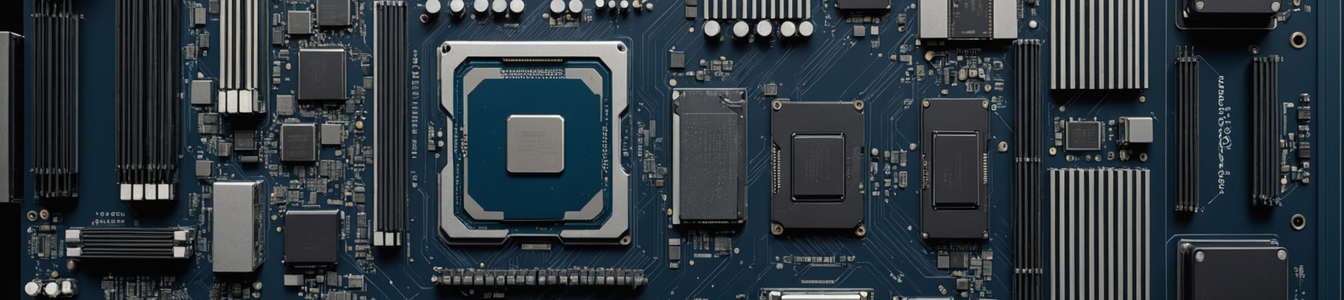
The global technology supply chain is facing a perfect storm of converging pressures, with a severe shortage of DRAM (Dynamic Random-Access Memory) emerging as a critical bottleneck. This scarcity is not merely an economic issue; it is forcing hardware manufacturers into making perilous security compromises that threaten to undo years of progress in device hardening. As reported by industry analysts, smartphone manufacturers, caught between skyrocketing component costs and intense market competition, are actively considering reintroducing devices with just 4GB of RAM—a configuration largely abandoned in recent years due to performance and security limitations.
The security implications of this regression are severe. Modern mobile operating systems and applications are designed with the assumption of abundant memory resources. Critical security features like Address Space Layout Randomization (ASLR), robust sandboxing, real-time encryption for data at rest and in transit, and advanced behavioral threat detection all consume significant RAM. A device with 4GB of RAM, after accounting for the operating system's overhead, leaves minimal headroom for these processes to function effectively. Security becomes the first casualty when the system is under memory pressure, often leading to features being disabled or failing silently.
Furthermore, the transition to 16GB RAM in flagship devices, which would better accommodate AI-driven security and privacy features, is now slowing down. This creates a two-tiered security landscape: a premium segment with devices capable of advanced protection, and a vast budget and mid-range segment forced back into obsolete, insecure hardware paradigms. The Forbes analysis highlighting competitive pricing pressure from Apple's iPhone 17 lineup exacerbates this trend. To compete on price, Android OEMs may feel compelled to source the cheapest available components, sacrificing long-term security integrity for short-term market share.
The direct link to cybersecurity is unambiguous. Resource-constrained devices are notoriously poor at receiving and applying security updates. Large patch packages can fail to install on devices with insufficient free memory, leaving millions of users exposed to known vulnerabilities. Memory-based exploits, such as buffer overflows and rowhammer attacks, become more feasible and devastating on systems without the memory headroom to implement modern mitigations. Additionally, users of these devices will be unable to run the latest versions of security-focused applications, including VPNs, password managers, and banking apps with enhanced protection, effectively locking them out of the secure digital ecosystem.
This hardware squeeze represents a systemic supply chain risk that directly translates into operational risk for enterprises and individuals. IT departments will face increased complexity in managing Bring-Your-Own-Device (BYOD) policies, as employee-owned devices may lack the fundamental hardware required to enforce corporate security policies. The proliferation of these vulnerable devices also expands the attack surface for botnets and large-scale coordinated attacks.
Mitigating this risk requires a multi-stakeholder approach. Manufacturers must be transparent about the security trade-offs of their hardware decisions. Cybersecurity professionals must adjust their threat models to account for a resurgence of legacy-level hardware vulnerabilities. Ultimately, the industry must advocate for security as a non-negotiable component, not a luxury feature sacrificed at the altar of cost-cutting and supply chain convenience. The return of 4GB RAM devices is not just a step backward in performance; it is an active dismantling of our collective digital defense infrastructure.
Comentarios 0
Comentando como:
¡Únete a la conversación!
Sé el primero en compartir tu opinión sobre este artículo.
¡Inicia la conversación!
Sé el primero en comentar este artículo.