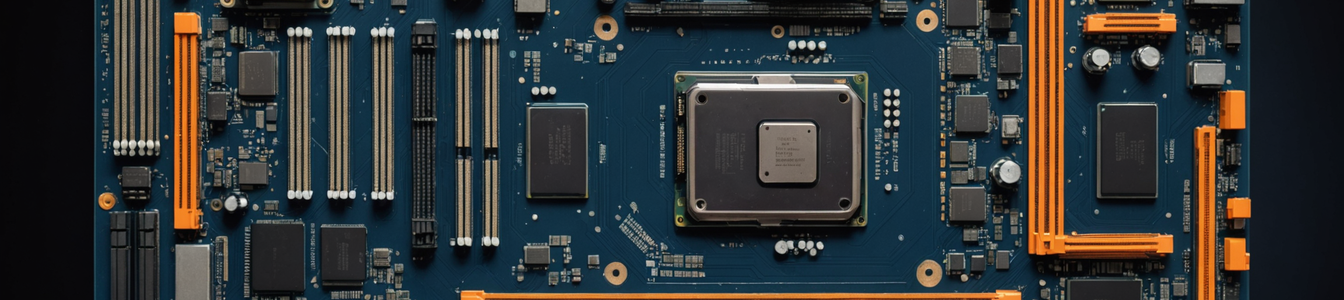
The mobile device supply chain, long considered a complex but largely reliable ecosystem, is showing cracks that could have significant implications for hardware security. Two seemingly unrelated trends—skyrocketing memory prices and the explosive growth of the refurbished phone market—are converging to create unprecedented challenges for cybersecurity professionals responsible for securing enterprise fleets.
The RAM Crisis: A Catalyst for Component Compromise
Industry forecasts paint a concerning picture for the coming years. Analysts project that prices for Dynamic Random-Access Memory (DRAM), a critical component in every smartphone and tablet, could surge by 40 to 50 percent through 2026. This inflationary pressure stems from a combination of constrained manufacturing capacity, increased demand from AI and data center markets, and geopolitical factors affecting semiconductor supply chains.
For device manufacturers operating on razor-thin margins, this creates a painful dilemma. They must either absorb the cost and reduce profitability, pass it on to consumers in a highly competitive market, or seek alternative solutions. It is this third path that raises red flags for security experts. Faced with unsustainable component costs, some manufacturers may be tempted to downgrade specifications—using slower or lower-density RAM modules than advertised—or, more worryingly, source components from non-certified secondary or gray market suppliers.
"When legitimate component costs become prohibitive, the shadow supply chain becomes more attractive," explains a hardware security analyst who requested anonymity due to client relationships. "We've seen this movie before with capacitors and chipsets. The risk is that counterfeit or remarked RAM modules enter the production line. These components may not meet reliability standards, could contain hidden vulnerabilities, or in extreme cases, incorporate malicious circuitry from the factory."
Such compromised hardware could lead to systemic failures, data corruption, or create hidden backdoors inaccessible to software-based security scans. For enterprises, this means a device purchased as new and sealed could harbor fundamental hardware-level risks.
The Refurbished Boom: A Marketplace of Unknowns
Parallel to the component shortage, the market for refurbished smartphones is experiencing hyper-growth. In India, retailer Phone Dekho exemplifies this trend, having recently opened its second outlet with ambitious plans to establish a national presence of 100 stores within a single year. This rapid scaling reflects a global movement toward device circularity and cost-conscious purchasing, particularly in emerging markets and among budget-conscious enterprises.
However, the security implications of this secondary market are profound. A refurbished device passes through multiple hands: from the original user to a collection agent, a refurbishment facility (which may or may not follow stringent protocols), a distributor, and finally the end-user. At each point, the device's integrity could be compromised.
Key risks include:
- Residual Data and Malware: Inadequate data sanitization can leave sensitive corporate information or personal data on devices. More insidiously, firmware-level malware or spyware can persist through factory resets if the refurbishment process only wipes the user-accessible storage.
- Hardware Tampering: Components may be replaced with counterfeit parts during repair. A camera module could be swapped for one with a lower-resolution sensor, or worse, one that incorporates a separate, unauthorized imaging sensor. Battery replacements with non-certified cells pose fire risks.
- Bootloader and Firmware Manipulation: To enable repairs or install custom software, refurbishers may unlock bootloaders or flash unofficial firmware versions. These modified states can disable critical security features like Verified Boot, making the device vulnerable to rootkits and persistent malware.
- Lack of Supply Chain Visibility: Enterprises purchasing refurbished fleets often have zero visibility into the device's history, previous ownership, or the standards of the refurbishment center.
Converging Risks and the Enterprise Response
For Chief Information Security Officers (CISOs), these trends create a dual-threat scenario. The procurement of new devices is no longer a guarantee of security due to potential component-level compromises, while the economic appeal of refurbished devices brings its own set of opaque risks.
Mitigating these threats requires a multi-layered approach:
- Enhanced Hardware Assurance: Move beyond software checks. Implement hardware fingerprinting and validation tools that can verify the authenticity and specifications of critical components like RAM, storage, and sensors. Partner with manufacturers that provide detailed bill-of-materials transparency.
- Rigorous Refurbished Device Policies: If using refurbished devices, establish a strict procurement policy. Only source from vendors with certified, auditable refurbishment processes that include complete data destruction (using standards like NIST 800-88), genuine part replacements, and re-locking of bootloaders with original firmware.
- Supply Chain Due Diligence: Question device suppliers about their component sourcing strategies in light of market shortages. Consider shifting procurement to manufacturers with vertical integration or long-term supply agreements with reputable foundries.
- Network Segmentation and Behavioral Monitoring: Treat all devices, especially those from non-traditional sources, with heightened suspicion. Implement network segmentation to limit their access and employ endpoint detection tools that look for anomalies indicative of compromised hardware, such as unexpected memory access patterns or communication with unknown external IPs.
Conclusion: A New Era of Hardware Scrutiny
The era of trusting the mobile supply chain on faith is ending. The twin pressures of component scarcity and the circular economy are forcing security teams to look deeper into the devices they deploy. This demands a shift in mindset—from viewing hardware as a trusted, immutable foundation to treating it as a variable element that must be continuously validated. Proactive hardware security, once a niche concern, is becoming a cornerstone of comprehensive enterprise defense in an increasingly volatile and opaque global supply chain.
Comentarios 0
Comentando como:
¡Únete a la conversación!
Sé el primero en compartir tu opinión sobre este artículo.
¡Inicia la conversación!
Sé el primero en comentar este artículo.