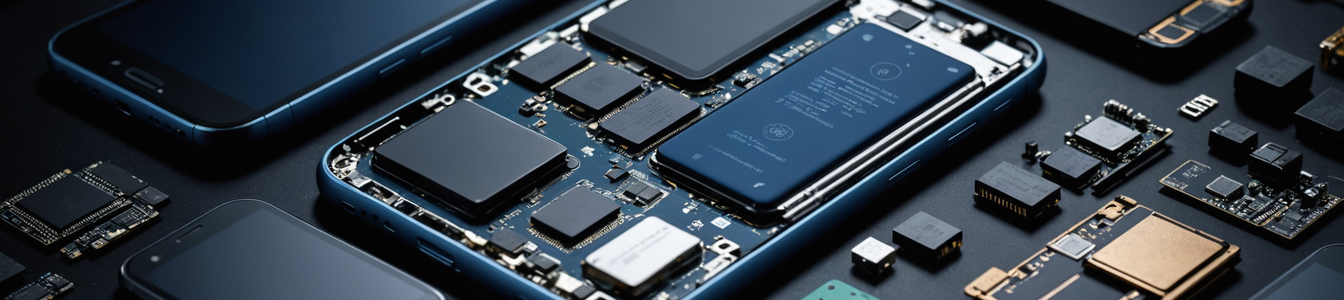
The rapid pace of mobile technology creates a mounting problem: what to do with perfectly functional devices that are no longer 'current.' Instead of relegating them to drawers or contributing to the global e-waste crisis, a sophisticated repurposing revolution is underway. Tech-savvy users, cost-conscious organizations, and sustainability advocates are discovering that old smartphones and tablets can serve valuable second functions—from smart home components to dedicated educational tools—often replacing specialized equipment costing €150 or more. This movement isn't just about frugality or environmentalism; it represents a fundamental shift in how we conceptualize device utility and lifecycle management. For cybersecurity professionals, this trend introduces both opportunities and novel challenges that demand attention.
The Repurposing Landscape: From Sensors to Storybooks
The applications are remarkably diverse. One prominent use case involves transforming old Android phones into dedicated home automation sensors. Using freely available apps, these devices can monitor sound levels (acting as baby monitors or security alerts), serve as IP cameras for property surveillance, function as environmental sensors tracking temperature and humidity, or become dedicated control panels for smart home ecosystems. The built-in microphone, camera, GPS, and connectivity make them surprisingly capable substitutes for single-purpose hardware.
In educational settings, the transformation is equally impactful. A German kindergarten that won a national reading prize demonstrated this by repurposing tablets not for passive YouTube consumption, but as interactive digital picture books and learning stations. This approach replaces expensive dedicated educational hardware while allowing for controlled, curated content. Similarly, tablets can become digital photo frames, recipe displays in kitchens, dedicated music players, or portable gaming consoles for children—each function isolating the device to a single, secure purpose.
The Compelling Economics and Sustainability Drive
The financial argument is powerful. When a tablet can replace a €150 digital photo frame, a €80 baby monitor, and a €100 dedicated e-reader, the savings become substantial. For organizations, especially schools, non-profits, and small businesses, this can stretch limited technology budgets dramatically. The environmental benefit is equally significant, extending product lifespans and reducing the carbon footprint and toxic waste associated with manufacturing new devices and disposing of old ones.
The Cybersecurity Imperative: Risks in the Second Life
This is where the cybersecurity community must engage. Repurposing a device isn't as simple as performing a factory reset and installing a new app. Each second-life scenario carries distinct threat models that are often overlooked by enthusiastic DIYers.
First, consider the device's foundational security. Most repurposed devices will no longer receive official operating system security updates from the manufacturer. An old Android phone stuck on version 8.0 is a repository of unpatched vulnerabilities. Its role as a sound sensor in your home now potentially offers an attack vector into your network. If that same device is used as a baby monitor, you're potentially exposing intimate private spaces.
Second, data sanitization is frequently inadequate. A standard factory reset may not securely erase all data, especially on devices with eMMC storage or flawed firmware. Sensitive remnants—authentication tokens, cached files, or personal data—could persist, accessible to anyone who later interacts with the device or exploits a software vulnerability.
Third, the attack surface changes. A tablet used as a digital picture book in a kindergarten needs different hardening than one used as a point-of-sale system. Does it need network access? Should Bluetooth be disabled? What about the microphone and camera? The principle of least privilege is often ignored in repurposing projects.
A Security-First Framework for Safe Repurposing
To harness the benefits while mitigating risks, a structured, security-conscious approach is essential. Cybersecurity teams should develop guidelines for sanctioned repurposing within organizations, while individual users should adopt best practices.
- Initial Threat Assessment & Purpose Definition: Before anything else, define the device's new role precisely. What data will it handle? What network resources does it need? What is the worst-case impact if it's compromised? This dictates all subsequent security measures.
- Secure Data Obliteration: Go beyond the standard factory reset. For high-sensitivity contexts, use professional data-wiping tools that perform multiple overwrite passes. For organizations, consider cryptographic erasure if supported. Physically destroying the storage chip is the ultimate option for highly sensitive devices, though it negates reuse.
- Operating System Hardening & Isolation: If possible, install a lightweight, security-focused, and still-supported operating system like a trimmed-down Linux distribution or a dedicated Android ROM that receives community updates. Drastically reduce the attack surface: disable all unnecessary services, radios (NFC, Bluetooth, cellular data if not needed), sensors, and ports. Create a dedicated, restricted user account for the new function.
- Network Segmentation: This is critical. Never place a repurposed device on your primary trusted network. Isolate it on a separate VLAN or guest network with strict firewall rules that only allow necessary communication (e.g., only outbound to a specific cloud service for an IP camera). Treat it as an untrusted IoT device.
- Application Security: Only install the absolute minimum applications required for the new function. Prefer open-source apps from reputable repositories where code can be audited. Configure apps with maximum privacy settings and disable any unnecessary permissions (e.g., a sound sensor app doesn't need contacts or SMS access).
- Ongoing Management: Establish a monitoring and update policy. Even if the OS is frozen, monitor for disclosed critical vulnerabilities related to its components. Have a plan to decommission the device if a severe, unexploitable flaw is discovered. For organizations, inventory all repurposed devices just as you would any other IT asset.
The Future of Managed Device Lifecycles
The repurposing revolution challenges the linear 'manufacture, use, dispose' model. For enterprise cybersecurity, this may lead to new lifecycle policy categories: 'Primary Use,' 'Restricted Repurpose,' and 'Retirement.' Vendors might see opportunity in providing 'repurposing kits' or secure, stripped-down firmware for aging hardware.
Ultimately, giving old devices a secure second life is a win for wallets, the planet, and ingenuity. But without integrating cybersecurity thinking from the outset, it can become a backdoor for threats. By adopting a methodical, risk-aware approach, individuals and organizations can safely join this revolution, turning potential e-waste into valuable, secure assets.
Comentarios 0
Comentando como:
¡Únete a la conversación!
Sé el primero en compartir tu opinión sobre este artículo.
¡Inicia la conversación!
Sé el primero en comentar este artículo.