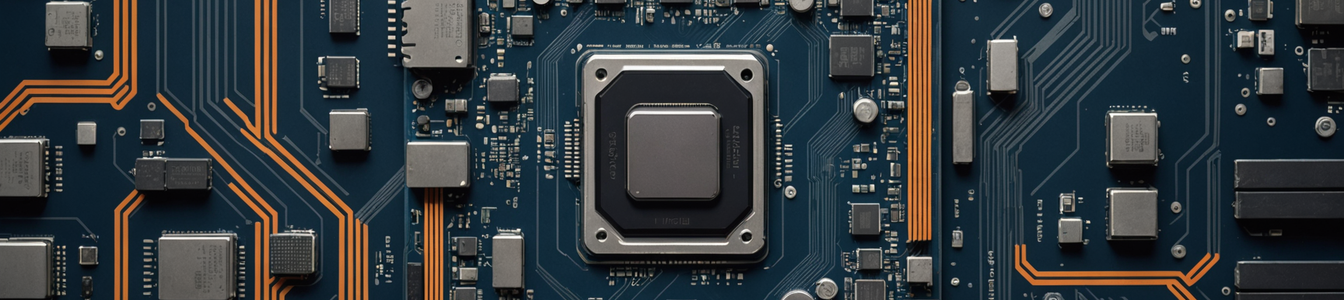
Google is poised to enact one of the most definitive hardware security policies in its mobile history with the upcoming Pixel 10 series. According to internal plans, the tech giant will implement a permanent, hardware-enforced anti-rollback feature, irrevocably locking devices to their current or newer Android versions. This strategic shift from software-based version checks to a firmware-level blockade aims to construct an impenetrable security chain but arrives amidst a storm of user complaints regarding the stability of recent Pixel updates, forcing a critical examination of security's cost to user control and device reliability.
The technical premise of anti-rollback is sound from a pure security perspective. It is a defense-in-depth measure designed to prevent "downgrade attacks," where a threat actor forces a device back to an older operating system version containing known, exploitable vulnerabilities. Once on the older version, attackers can leverage these patched flaws to gain elevated privileges or install persistent malware. By fusing the bootloader's version check into the device's hardware security module or a dedicated anti-rollback fuse, Google makes reversing the update process physically impossible. This closes a door often used in advanced, targeted attacks and aligns with a broader industry trend toward immutable system partitions and verified boot chains.
However, the timing and context of this hardening move are fraught with controversy. The Pixel user community and tech press have been vocal about a wave of problematic updates affecting recent models. Users have reported devices entering boot loops, suffering from severe battery drain, experiencing network connectivity drops, and exhibiting general performance instability following routine OS updates. These are not minor glitches but critical failures that render phones temporarily or persistently unusable. Historically, the ability to manually flash an older, stable factory image has been the last-resort remedy for such scenarios—a safety net that Google's new policy will systematically remove.
This creates a profound dilemma for cybersecurity professionals and enterprise IT managers. On one hand, the elimination of downgrade paths is a clear win for organizational security postures, especially for devices deployed in regulated industries or used by high-risk individuals. It ensures the fleet remains on patched, auditable software, simplifying compliance and threat modeling. On the other hand, it transfers absolute responsibility for system stability to Google's development and QA processes. If a "bad" update slips through, the mitigation strategy shifts from a user-led rollback to a waiting game for a corrective patch from Google, during which time devices may be bricked or critically impaired.
The debate touches on core philosophies in device security. Is the ultimate goal a perfectly secure device, even if it means users cede all control over their device's functional state? Or should security architectures preserve fundamental user recourse, acknowledging that even the most robust development pipelines can produce faulty code? For the infosec community, this Pixel policy is a case study in the trade-offs between proactive threat prevention and operational resilience.
Furthermore, the situation exposes the underlying challenge of update velocity in a competitive mobile market. The pressure to deliver annual Android version updates, coupled with frequent quarterly security patches, can strain testing cycles. The proposed anti-rollback mechanism effectively raises the stakes of every single update deployment. Google will need to parallel this security upgrade with a demonstrable and significant investment in update reliability testing, potentially including longer beta cycles, more extensive hardware regression testing, and perhaps even a formalized compensation or support policy for devices bricked by mandatory updates.
Looking ahead, the industry will watch closely. If Google successfully marries this stringent security model with exceptionally stable software, it could set a new standard for enterprise and government-grade mobile security. However, if stability issues persist, the policy may be perceived as a heavy-handed measure that prioritizes security theater over user experience and practical device management. The success of the Pixel 10's "hardware lockdown" will not be measured by the attacks it theoretically prevents, but by the real-world confidence it inspires—or shatters—in Google's ability to be the sole guardian of a device's operational integrity.
Comentarios 0
Comentando como:
¡Únete a la conversación!
Sé el primero en compartir tu opinión sobre este artículo.
¡Inicia la conversación!
Sé el primero en comentar este artículo.