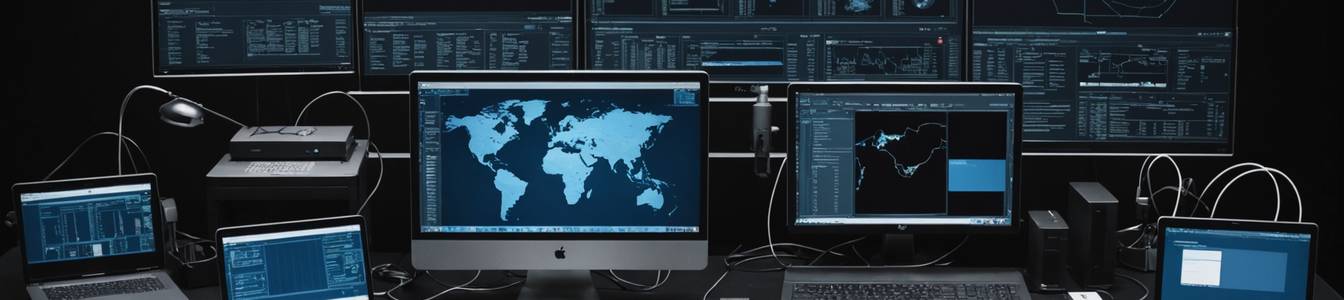
Warsaw, Poland – In a significant law enforcement operation highlighting the physical dimension of cyber threats, Polish authorities have detained three Ukrainian nationals found in possession of specialized hacking equipment. The arrests, made in the capital city of Warsaw, come at a time of heightened cyber tensions across Eastern Europe and raise important questions about the intersection of physical presence and digital intrusion capabilities.
The Arrest and Charges
According to official reports from Polish security services, the three individuals were taken into custody following an operation that uncovered what investigators describe as "specialized technical equipment" intended for cyber operations. While the exact nature of the devices hasn't been fully disclosed to the public, sources familiar with the investigation suggest the equipment included hardware for network interception, signal intelligence gathering, and potentially device spoofing.
The suspects now face serious legal consequences, having been formally charged with crimes against Poland's national defense. This classification indicates authorities believe their activities posed a direct threat to state security, moving beyond simple cybercrime into the realm of espionage or cyber sabotage. The specific articles of the Polish penal code applied suggest preparations for intelligence activities against state interests.
Technical and Operational Context
Cybersecurity professionals analyzing the case note that the seizure of physical equipment points to operations requiring proximity to targets. Unlike purely remote cyber attacks, the presence of such gear often indicates plans for:
- Local Network Access Operations: Gaining physical entry to secured networks that aren't accessible from the public internet.
- Signal Interception: Capturing data transmissions, including mobile communications or wireless network traffic, within a specific geographic area.
- Hardware-Based Attacks: Deploying devices that can compromise systems through physical interfaces like USB ports or network cables.
"This isn't your typical phishing campaign," noted Katarzyna Nowak, a Warsaw-based cybersecurity analyst. "The involvement of physical equipment suggests planning for operations against hardened targets where remote access might be limited or monitored. We're seeing a convergence of traditional espionage tradecraft with modern cyber capabilities."
Geopolitical Implications
The arrests occur against a complex geopolitical backdrop. Poland, a NATO member sharing a border with Ukraine, has been both a crucial ally to Kyiv in its conflict with Russia and a target of increased cyber activity. Security agencies across Eastern Europe have reported rising incidents of both state-sponsored and criminal cyber operations exploiting regional tensions.
While authorities haven't publicly linked the detained individuals to any specific government or organization, the timing and location inevitably raise questions about potential connections to broader intelligence-gathering operations in the region. Some security experts speculate the equipment could have been intended for surveillance of diplomatic communications, critical infrastructure reconnaissance, or monitoring of military logistics moving through Poland.
Industry Response and Best Practices
The incident serves as a critical reminder for security teams about the importance of physical security controls alongside digital defenses. Recommendations emerging from the security community include:
- Enhanced Physical Security Audits: Regularly reviewing access controls to server rooms, network closets, and areas where critical infrastructure is housed.
- Network Segmentation: Isolating sensitive systems from general corporate networks to limit the impact of physical intrusions.
- Device Control Policies: Implementing strict controls over what devices can connect to corporate networks, including using port security and device authentication.
- Signal Monitoring: Deploying systems to detect unauthorized wireless access points or signal interception attempts within facilities.
Legal and Investigative Proceedings
Polish prosecutors are continuing their investigation, with forensic experts examining the seized equipment to determine its full capabilities and intended applications. International cooperation is likely underway, given the cross-border nature of the case and Poland's membership in European law enforcement networks.
The suspects remain in custody as the legal process moves forward. If convicted of crimes against national defense, they could face substantial prison sentences under Polish law.
Broader Security Implications
This case illustrates several evolving trends in the cybersecurity landscape:
- The Blurring of Cyber and Physical Operations: Threat actors increasingly combine digital tools with physical presence for more effective intrusions.
- Regional Cyber Flashpoints: Eastern Europe continues to be a testing ground for sophisticated cyber operations with geopolitical dimensions.
- Law Enforcement Adaptation: National security agencies are developing enhanced capabilities to detect and intercept cyber operations with physical components.
As the investigation progresses, the cybersecurity community will be watching for further details about the technical capabilities of the seized equipment and any connections to broader threat campaigns. The case serves as a stark reminder that in today's security environment, defending against cyber threats requires vigilance against both remote attacks and physical intrusions enabled by specialized technical equipment.
Comentarios 0
Comentando como:
¡Únete a la conversación!
Sé el primero en compartir tu opinión sobre este artículo.
¡Inicia la conversación!
Sé el primero en comentar este artículo.