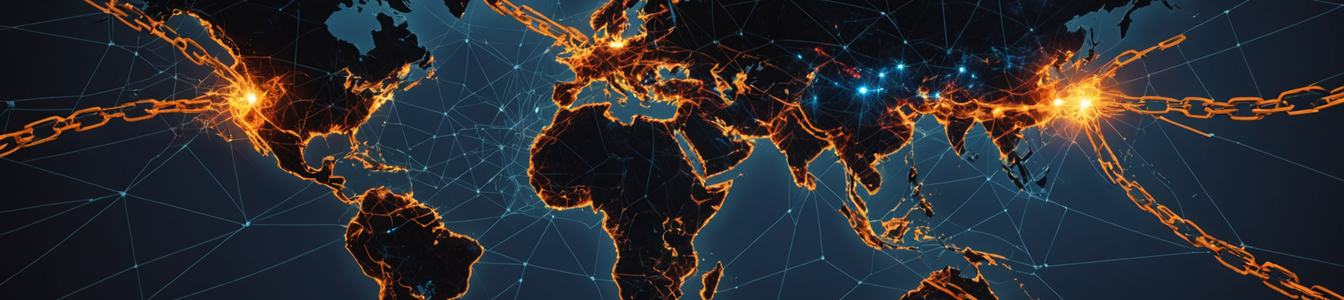
In an increasingly interconnected world, the line between macroeconomic policy and cybersecurity is blurring. A new wave of analysis reveals that government decisions on energy, trade, and sanctions are not just economic levers; they are powerful drivers of cyber insecurity. From the tragic rise in infant mortality in Cuba linked to U.S. sanctions to the political firestorm over LPG price hikes in India and the stubbornly high gas prices in California, the evidence is mounting: economic strain is a primary enabler of cybercrime and social instability.
The Human Cost of Sanctions: Cuba's Healthcare Crisis
A recent study has drawn a direct line between the tightening of U.S. sanctions and a devastating increase in Cuba's infant mortality rate. The report argues that the economic blockade, which restricts access to essential goods, including medical supplies and fuel, has crippled the island's healthcare system. Hospitals face chronic shortages of critical equipment, medicines, and the fuel needed to power generators and ambulances. This degradation of public health infrastructure creates a desperate population, where basic needs go unmet. For cybersecurity professionals, this is a critical red flag. Desperation is a powerful motivator for insiders to sell data, for citizens to fall prey to phishing scams promising financial relief, and for state-sponsored actors to exploit the chaos. A population struggling to survive is far more likely to engage in risky online behavior, making them prime targets for cybercriminal enterprises. Furthermore, a weakened state is more vulnerable to cyberattacks on its critical infrastructure, as resources are diverted to immediate humanitarian crises.
India's LPG Hike: A Political and Economic Shockwave
Across the globe in India, the government's decision to hike commercial LPG prices by ₹993 post-elections has sparked widespread criticism from opposition parties like the DMK and CPI. The price increase, coming immediately after a national election, is seen as a politically charged move that directly impacts small businesses, restaurants, and households. This economic shockwave has several cybersecurity implications. First, it erodes public trust in institutions and governance, creating a fertile ground for disinformation campaigns and social engineering attacks. Second, the financial strain on small businesses makes them more susceptible to ransomware attacks, as they may be unable to afford robust security measures or ransom payments. Third, the political backlash can spill over into the digital realm, with hacktivist groups targeting government websites or critical infrastructure to protest the policy. The LPG hike is not just a domestic economic issue; it is a catalyst for a broader cybersecurity risk landscape.
California's Gas Price Paradox: Regulation as a Threat Vector
In the United States, California continues to grapple with some of the highest gas prices in the nation. While often blamed on oil companies, a growing body of opinion points the finger squarely at Sacramento's regulatory policies. These policies, while aimed at environmental goals, create a complex and costly compliance environment that ultimately drives up prices at the pump. The economic strain on California's residents and businesses is palpable. This frustration can manifest in various ways, including increased susceptibility to cyber scams promising relief from high costs, such as fake fuel discount programs or phishing campaigns impersonating state agencies. Moreover, the high cost of living can drive talented cybersecurity professionals out of the state, weakening the local talent pool. The regulatory landscape itself can become a target, with threat actors seeking to disrupt systems that manage fuel distribution, pricing, or environmental compliance.
The Nexus: From Economic Insecurity to Cyber Insecurity
The common thread linking these disparate events is the creation of economic insecurity. When people and businesses feel financially squeezed, their decision-making becomes compromised. They are more likely to:
- Click on phishing emails: Promises of financial relief, stimulus checks, or fuel subsidies are powerful lures.
- Ignore security best practices: Cost-cutting measures may lead to using outdated software, weak passwords, or shared accounts.
- Engage in insider threats: Desperate employees may sell credentials or sensitive data for financial gain.
- Fall for disinformation: Economic hardship breeds distrust, making populations more vulnerable to propaganda and conspiracy theories.
For the cybersecurity community, this analysis demands a shift in perspective. Threat modeling must go beyond technical vulnerabilities to include macroeconomic and geopolitical factors. A spike in infant mortality in Cuba, a gas price hike in California, or an LPG price increase in India are not just headlines; they are leading indicators of an expanding cyber threat surface. Governments and organizations must recognize that economic stability is a cornerstone of cybersecurity. Policies that create economic hardship inadvertently weaken a nation's cyber resilience, making it easier for adversaries to exploit vulnerabilities in the human and systemic fabric of society. The price of policy is not just measured in dollars, but in the security of our digital world.
Comentarios 0
Comentando como:
¡Únete a la conversación!
Sé el primero en compartir tu opinión sobre este artículo.
¡Inicia la conversación!
Sé el primero en comentar este artículo.