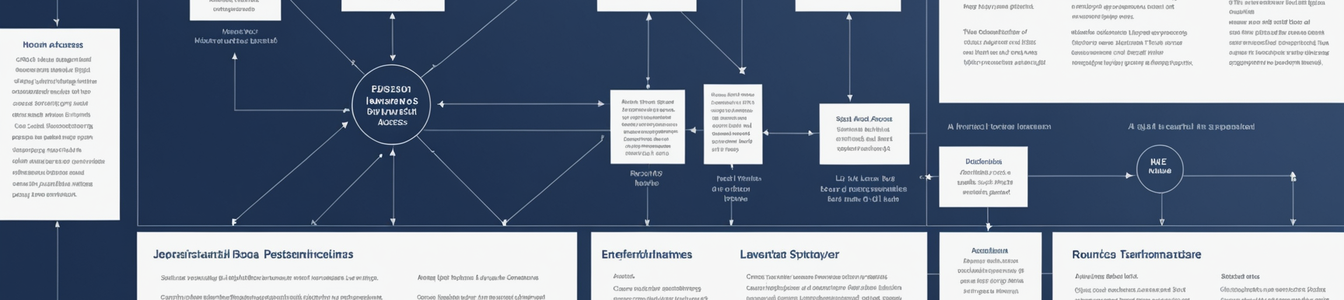
The architecture of digital access is undergoing a fundamental transformation. While cybersecurity teams have long focused on technical perimeters—firewalls, identity and access management (IAM) systems, and zero-trust networks—a new layer of control is emerging from an unexpected quarter: policy and authorization frameworks. From professional licensing to corporate divestiture approvals, regulatory and administrative rules are being weaponized to create hard digital borders, redefining who gets to participate in the digital economy and on what terms. This shift from technical to policy-based gatekeeping presents profound challenges and new threat vectors for the cybersecurity community.
The Professional License as a Digital Passport
A prime example is unfolding in Texas, where new legislation mandates proof of legal immigration status for individuals seeking a wide range of professional licenses. This policy effectively ties the digital and professional identity of a nurse, engineer, or cybersecurity analyst to their immigration status. From an access governance perspective, the license becomes more than a credential; it transforms into a state-issued 'digital passport' for economic participation. The cybersecurity implications are immediate. It creates a high-value target for identity fraud and document forgery rings. Attackers are incentivized to compromise systems that verify these statuses or to create sophisticated forgeries. Furthermore, it establishes a precedent where access to critical infrastructure sectors, often reliant on licensed professionals, can be governed by non-technical, policy-driven criteria. Security teams in regulated industries must now account for this additional authorization layer in their risk assessments and ensure their IAM systems can integrate and validate these complex, external policy states securely.
The EU's Struggle with Digital Single Market Borders
Conversely, the European Union presents a case study in attempting to dismantle digital borders, highlighting the inherent tension. The EU's push for cross-border digital services aims to create a seamless single market. However, persistent barriers—divergent national professional qualifications, varying data localization requirements, and incompatible administrative systems—act as de facto authorization walls. For a cybersecurity service provider in Portugal, offering managed services to a client in Germany isn't just a technical challenge; it's a regulatory maze. Each national jurisdiction imposes its own 'authorization rules' for service provision, data handling, and professional liability. This fragmentation undermines scalable security and complicates incident response across borders. Cybersecurity firms operating in the EU must navigate a patchwork of national authorizations, effectively dealing with 27 different 'policy firewalls' in addition to their technical defenses. The push for harmonization is, in essence, a cybersecurity imperative, reducing complexity and the attack surface created by bureaucratic inconsistency.
Corporate Authorization: The Gatekeeping of Assets and Data
The trend extends into the corporate realm, as illustrated by the case of Ceigall India. The company's board authorized a non-binding offer for the sale of its highway subsidiaries—a routine corporate action. Yet, this authorization process is a critical control point. It governs not just the transfer of physical assets but the digital assets and data associated with them: SCADA systems, toll collection data, network infrastructure, and sensitive operational technology (OT) environments. The board's approval is the ultimate policy gate before a digital ecosystem changes hands. In mergers, acquisitions, and divestitures, cybersecurity due diligence is often sidelined by financial and legal priorities. However, when policy-based authorization (board approval) precedes technical integration, it can create dangerous blind spots. Unauthorized data transfers, inherited vulnerabilities, and poorly segmented network access can result if security teams are not embedded in the authorization workflow. The lesson is clear: corporate governance decisions are becoming inextricably linked to digital security outcomes, requiring CISOs to have a seat at the table where these authorizations are granted.
Implications for Cybersecurity Strategy and Architecture
This convergence of policy and digital access demands a strategic response from the cybersecurity industry.
- Identity Verification at Scale: Systems must evolve beyond verifying that a user is who they claim to be (authentication) to verifying what policy-based permissions they hold (authorization), which may be tied to mutable legal statuses. This requires robust, privacy-preserving links between digital identities and authoritative government or corporate registries.
- Policy-Aware Security Orchestration: Security tools need to become 'policy-aware.' Automated workflows for access provisioning and de-provisioning must integrate feeds from HR, legal, and compliance platforms to reflect changes in licensure, employment status, or corporate authorizations in real-time.
- Threat Modeling New Attack Surfaces: Threat models must expand to include the manipulation of the authorization process itself. Adversaries may seek to corrupt the policy gatekeepers (through lobbying, disinformation, or insider threats) or exploit delays and inconsistencies in bureaucratic processes to their advantage.
- Advocacy for Secure-by-Design Policy: Cybersecurity professionals must engage in the policy-making process. The principle of 'secure-by-design' should apply to regulatory frameworks as well as software. Policies that create digital borders must be designed with security, auditability, and privacy in mind from the outset, minimizing opportunities for fraud and exclusion.
Conclusion: Redefining the Perimeter
The perimeter in cybersecurity is no longer solely defined by IP addresses and network segments. It is increasingly defined by lines of policy, legislation, and corporate governance. The Texas license law, the EU's digital barriers, and Ceigall India's board resolution are all facets of the same phenomenon: the use of formal authorization to control digital and economic access. For defenders, this means the attack surface now includes government databases, legislative processes, and corporate boardrooms. Understanding these policy-driven perimeters is not a peripheral concern for legal or compliance teams; it is a core requirement for building resilient, secure, and equitable digital systems in the 21st century. The gates are being kept, but the gatekeepers are changing, and cybersecurity must adapt to guard the new frontiers.
Comentarios 0
Comentando como:
¡Únete a la conversación!
Sé el primero en compartir tu opinión sobre este artículo.
¡Inicia la conversación!
Sé el primero en comentar este artículo.